Mundane Heights
2021
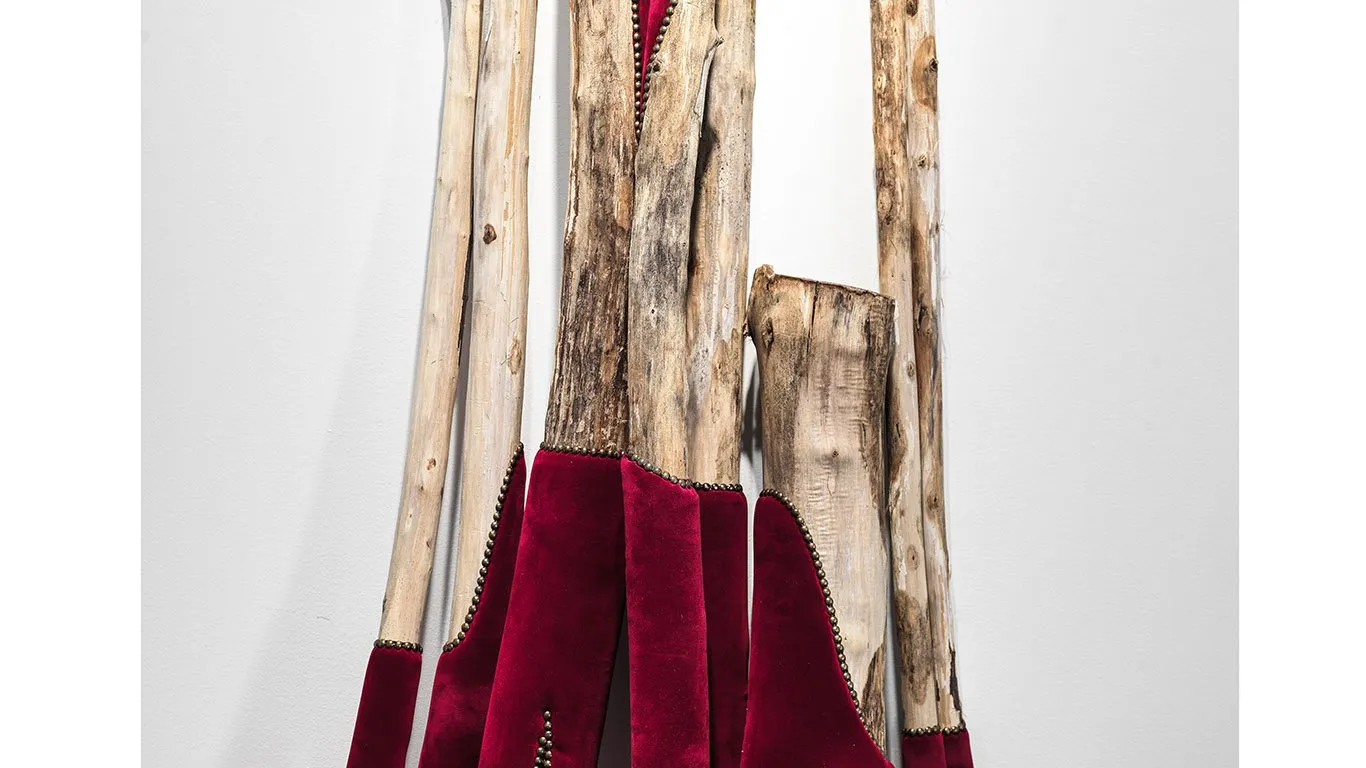
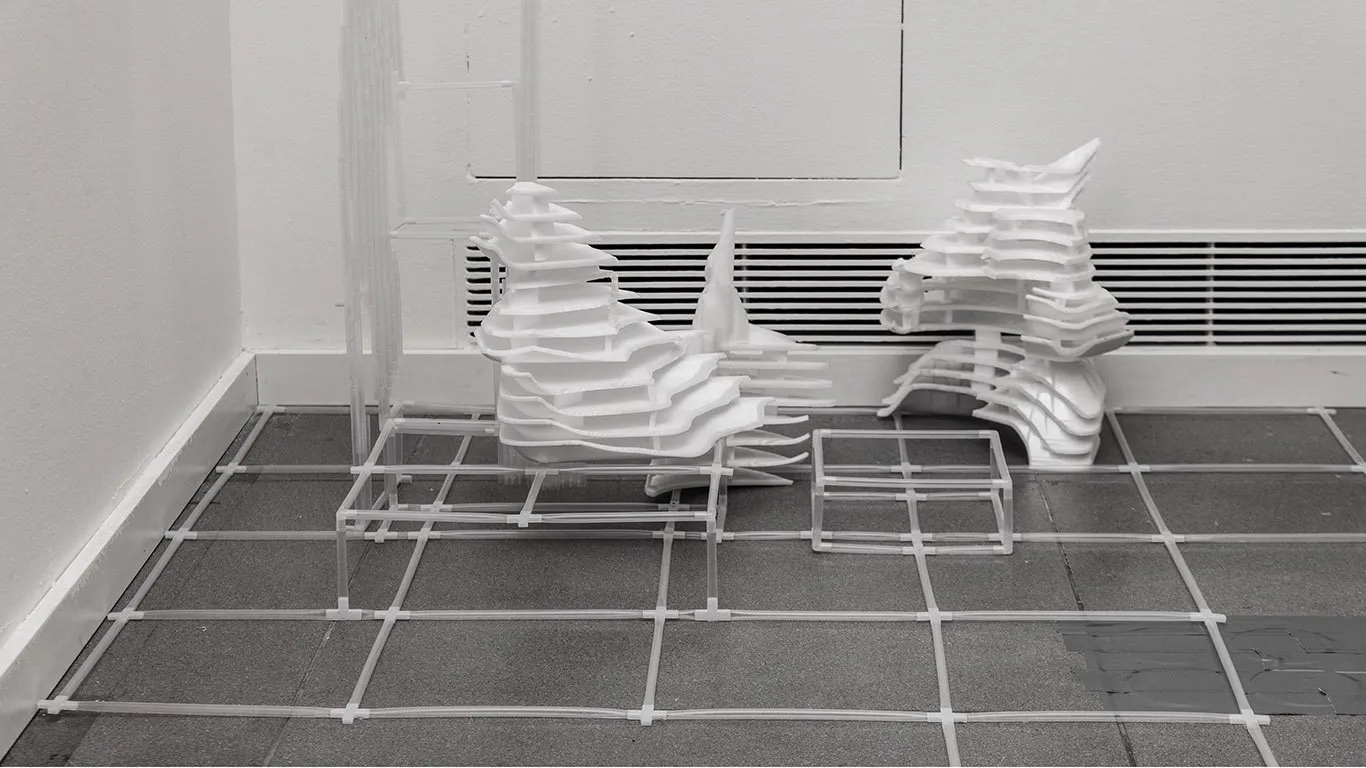
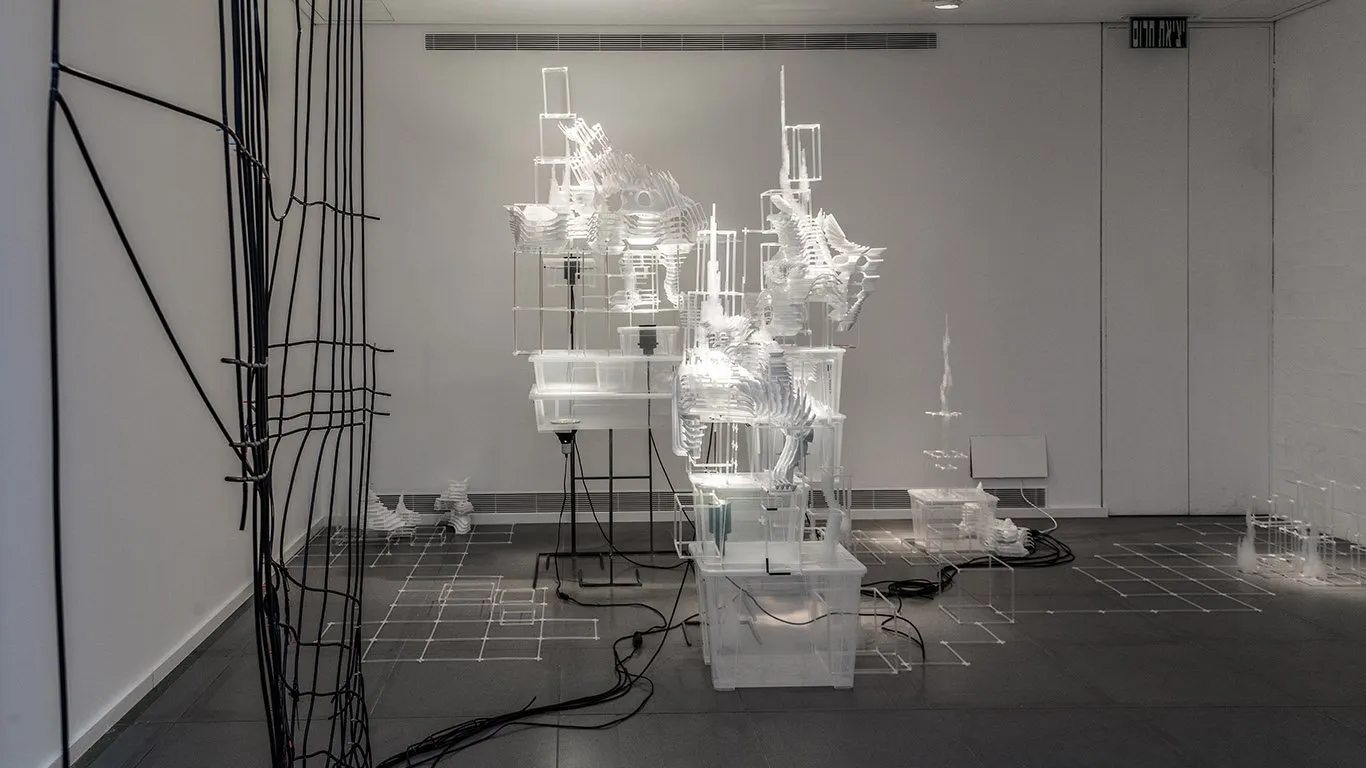
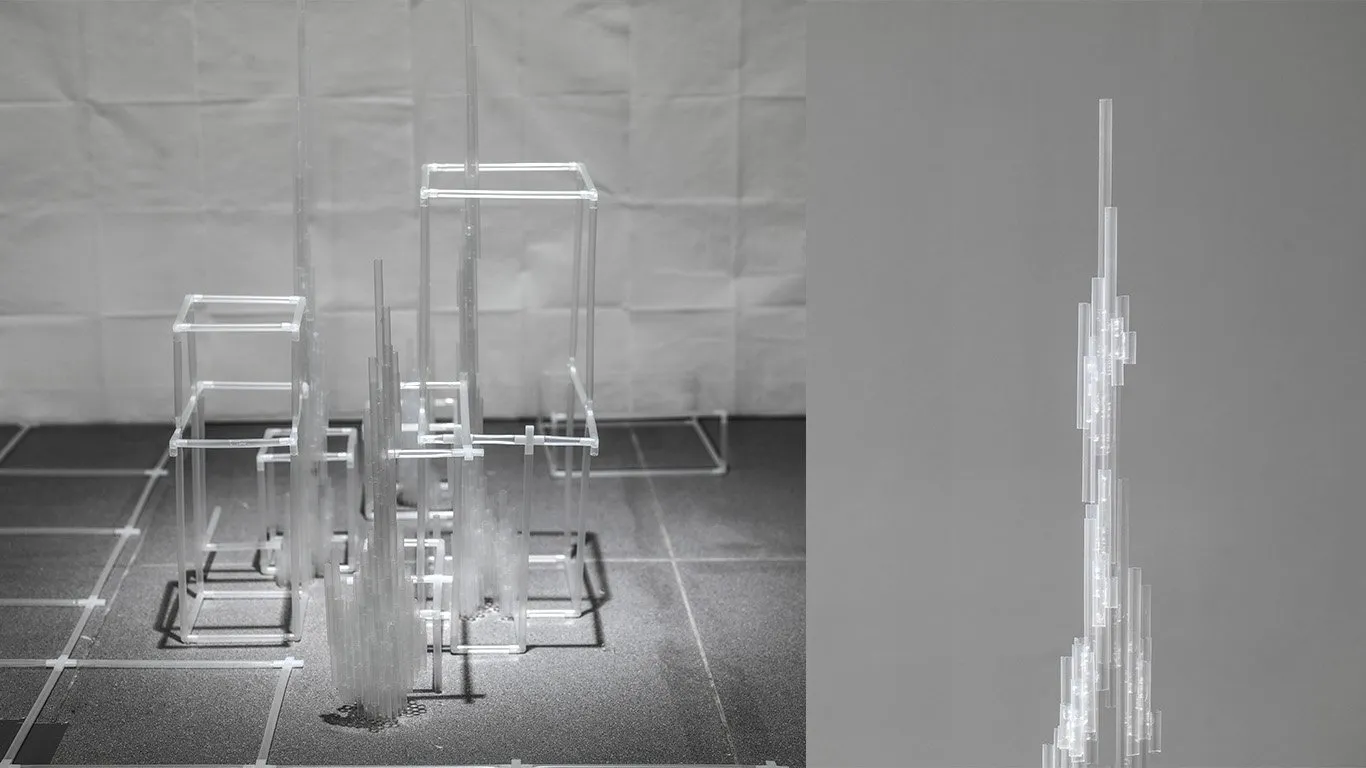
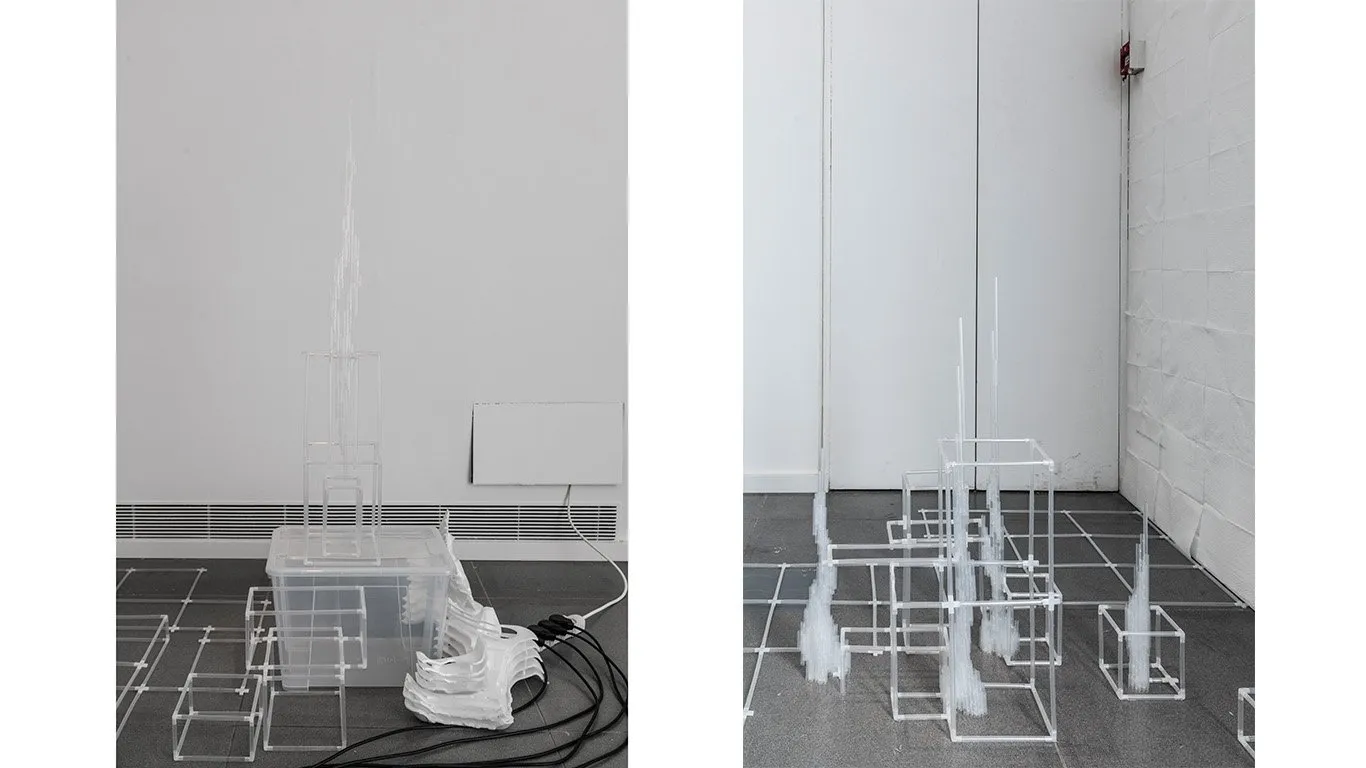
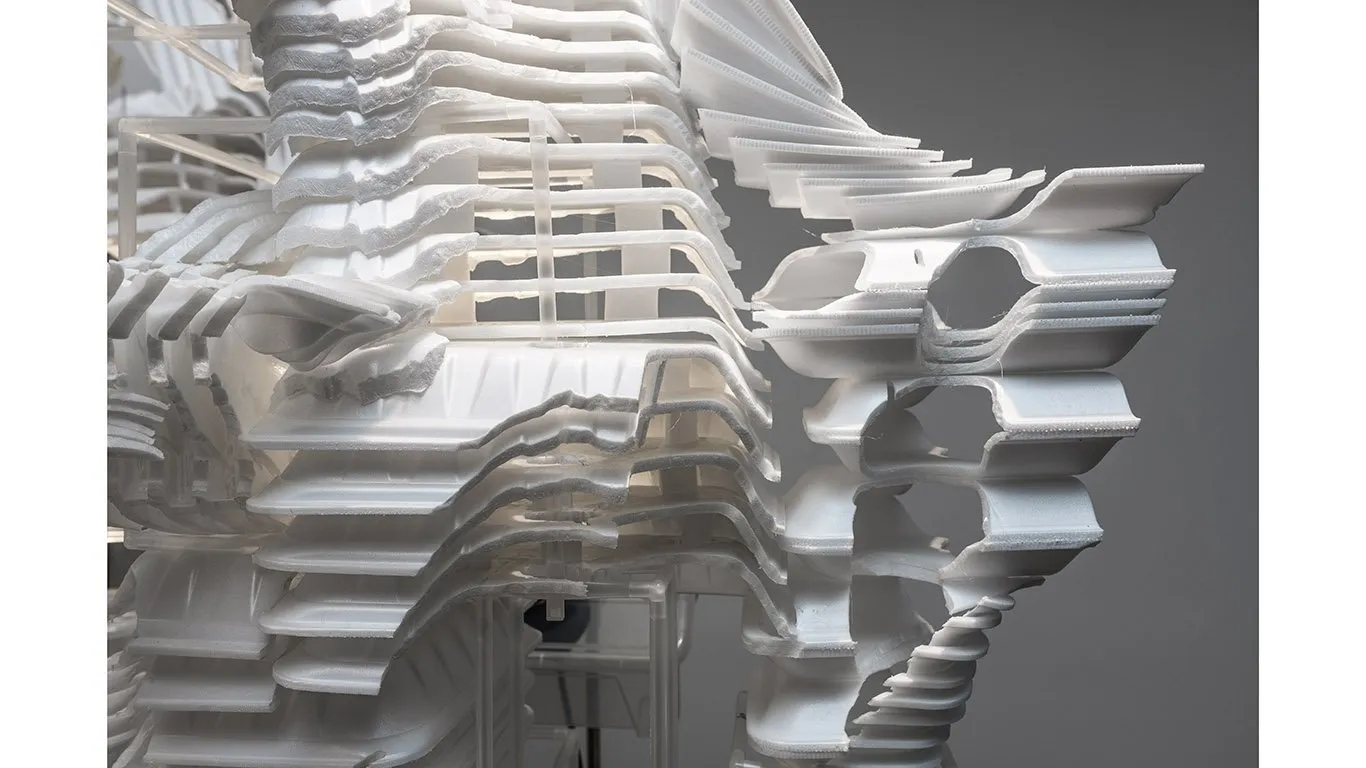
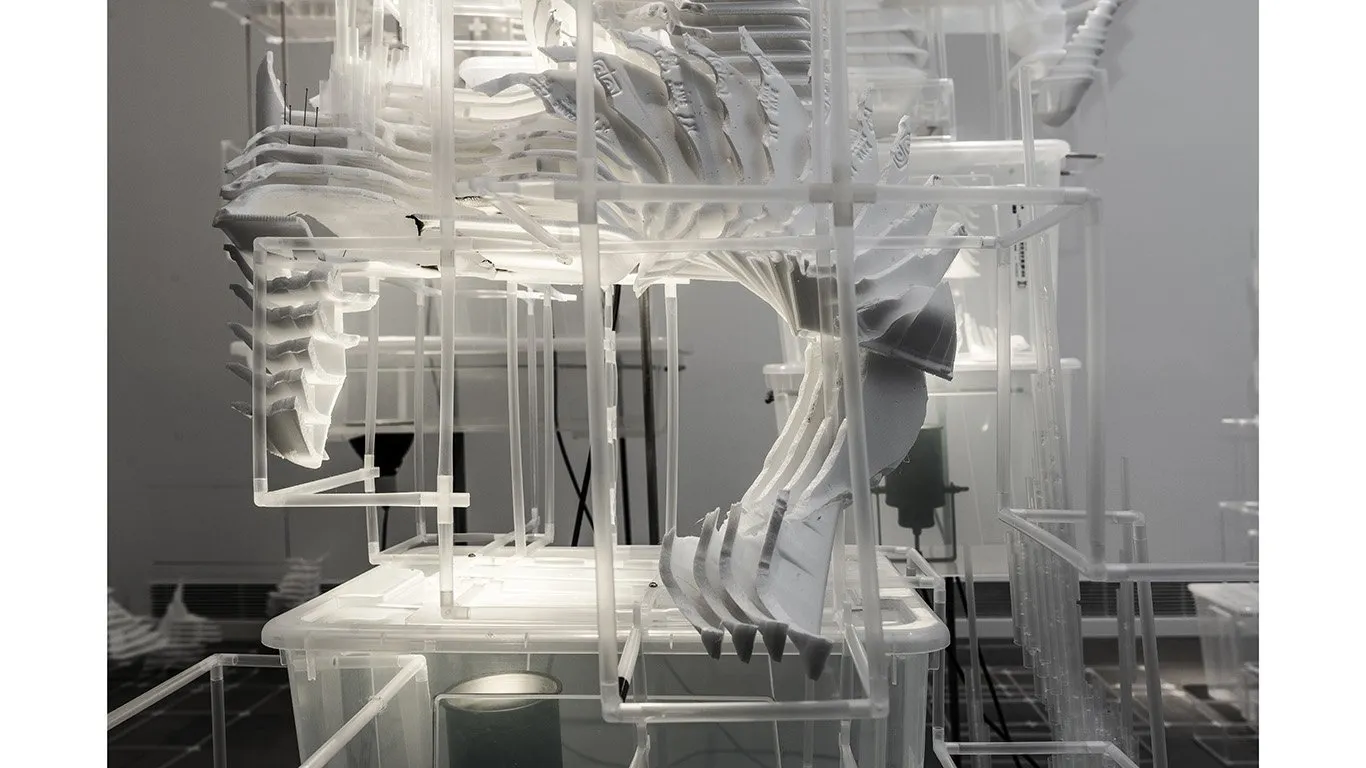
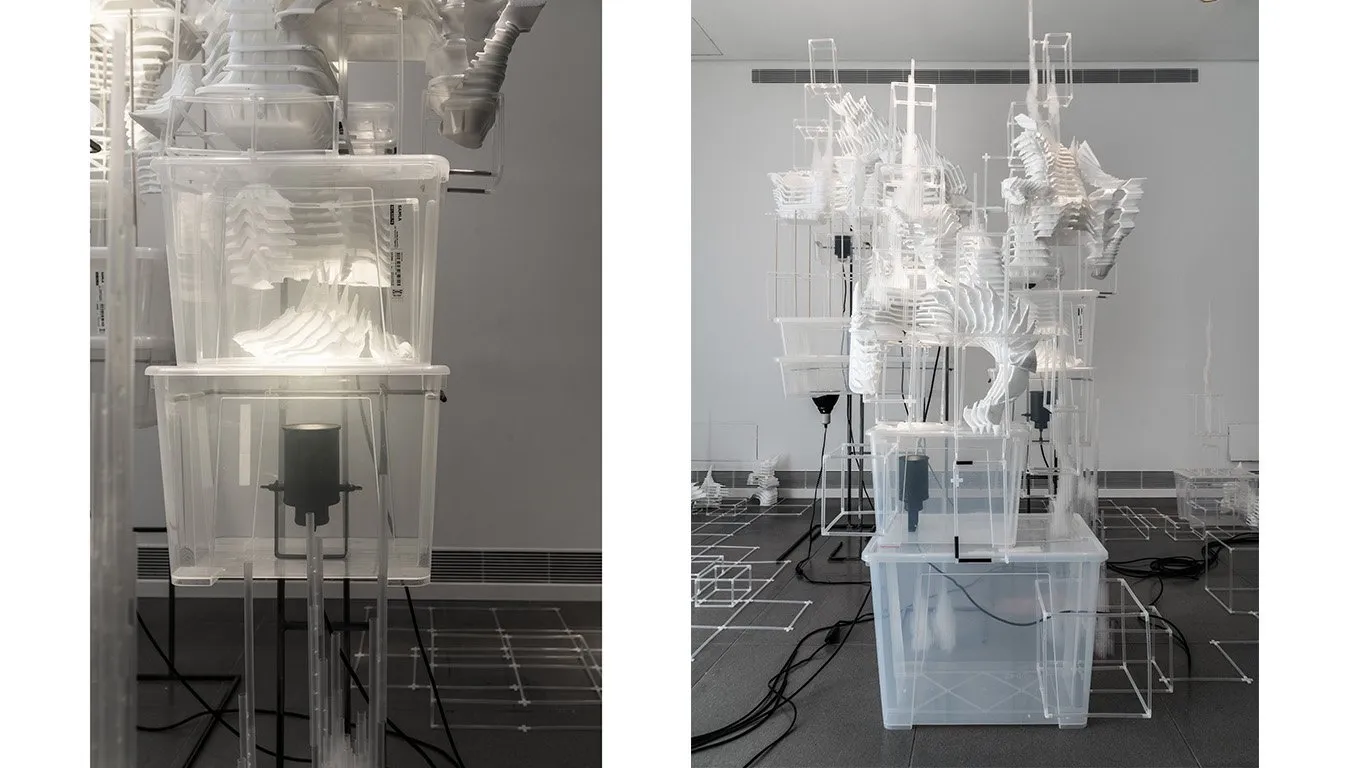
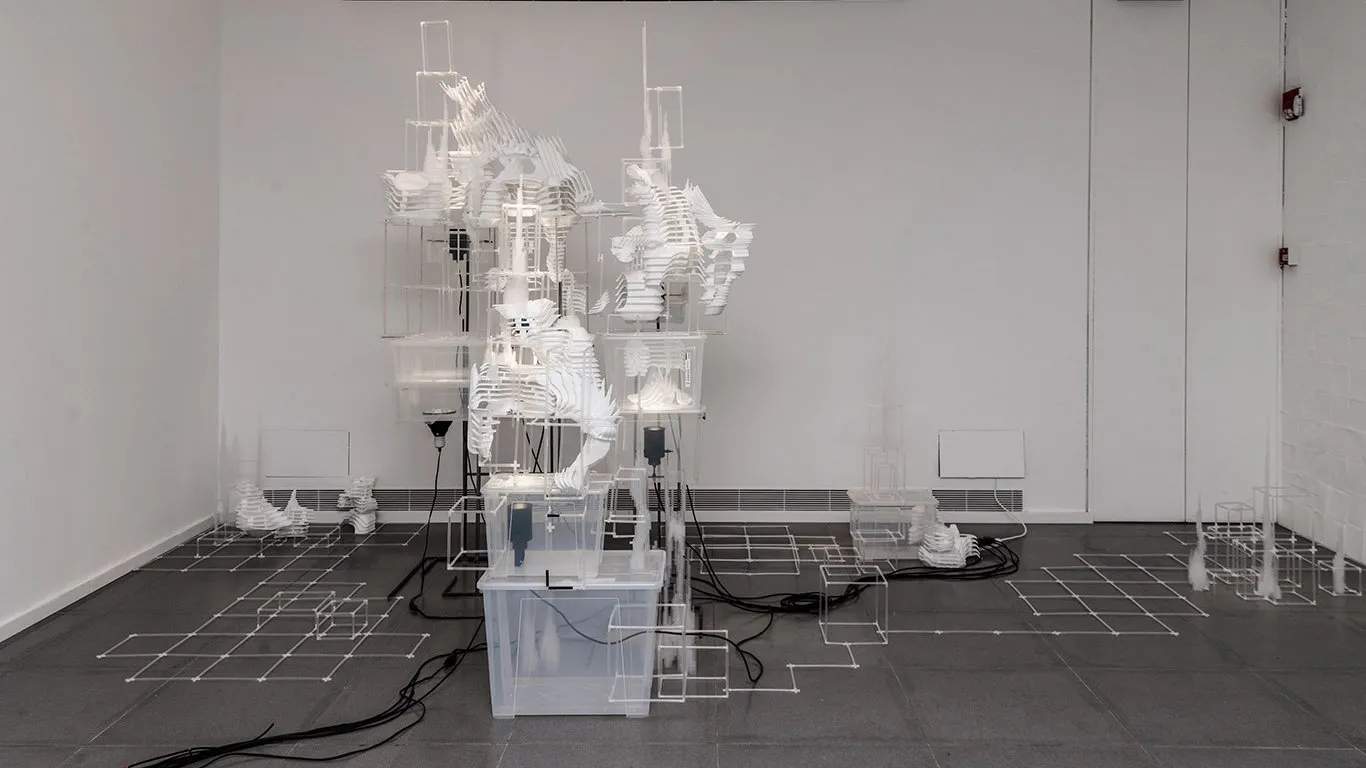
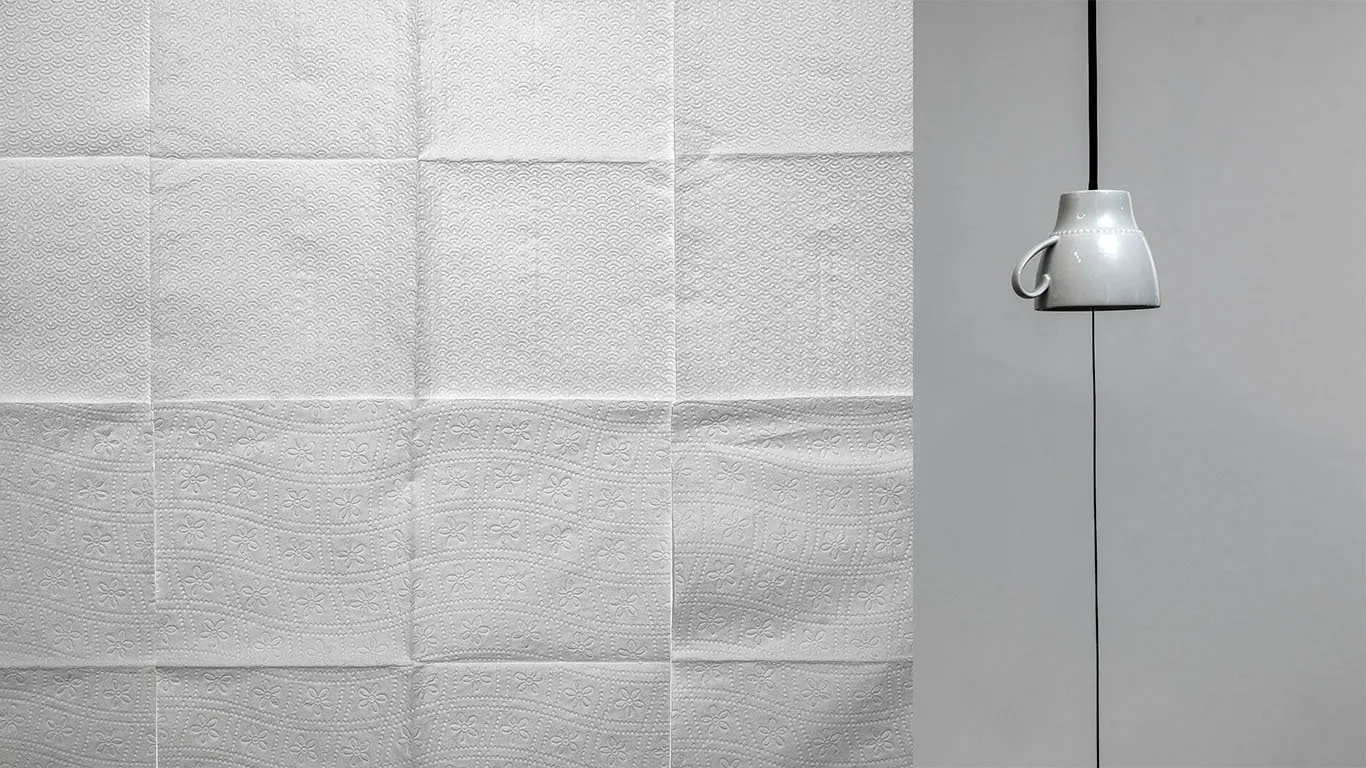
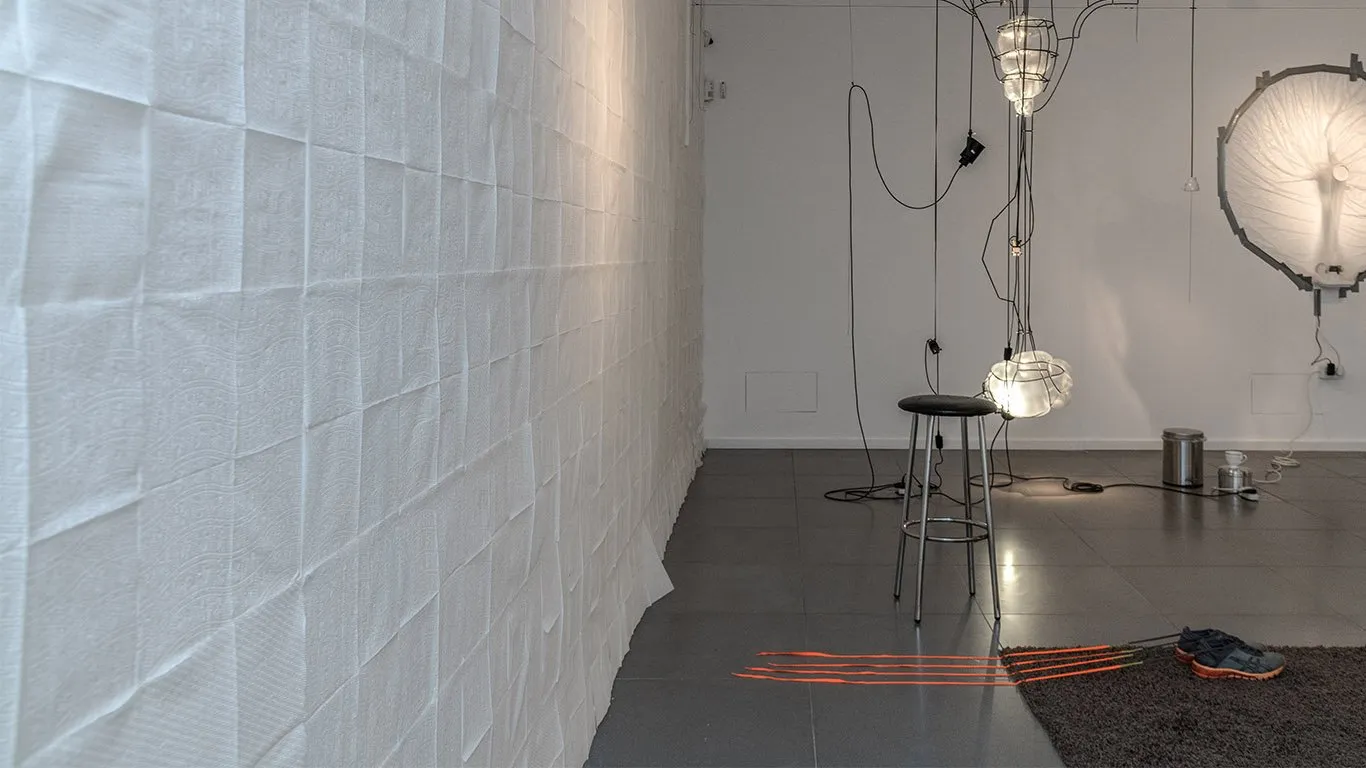
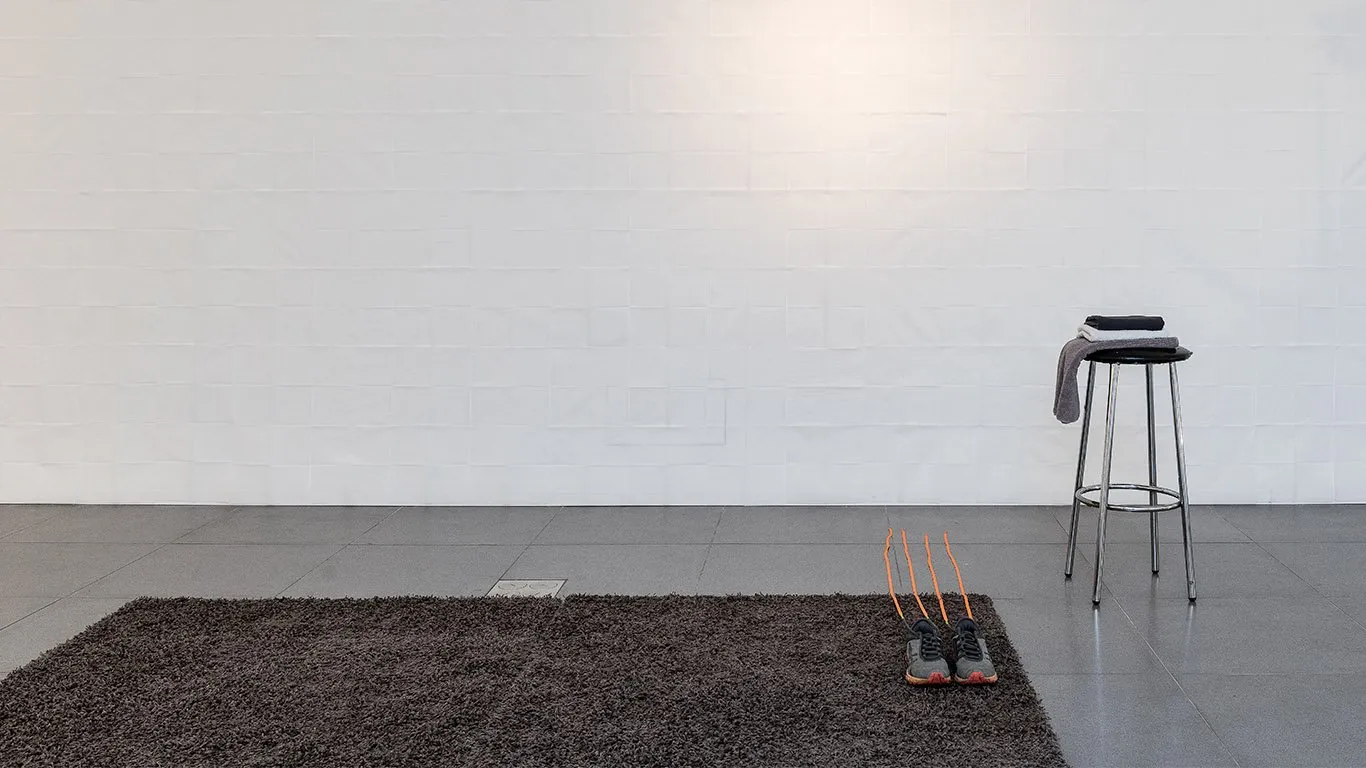
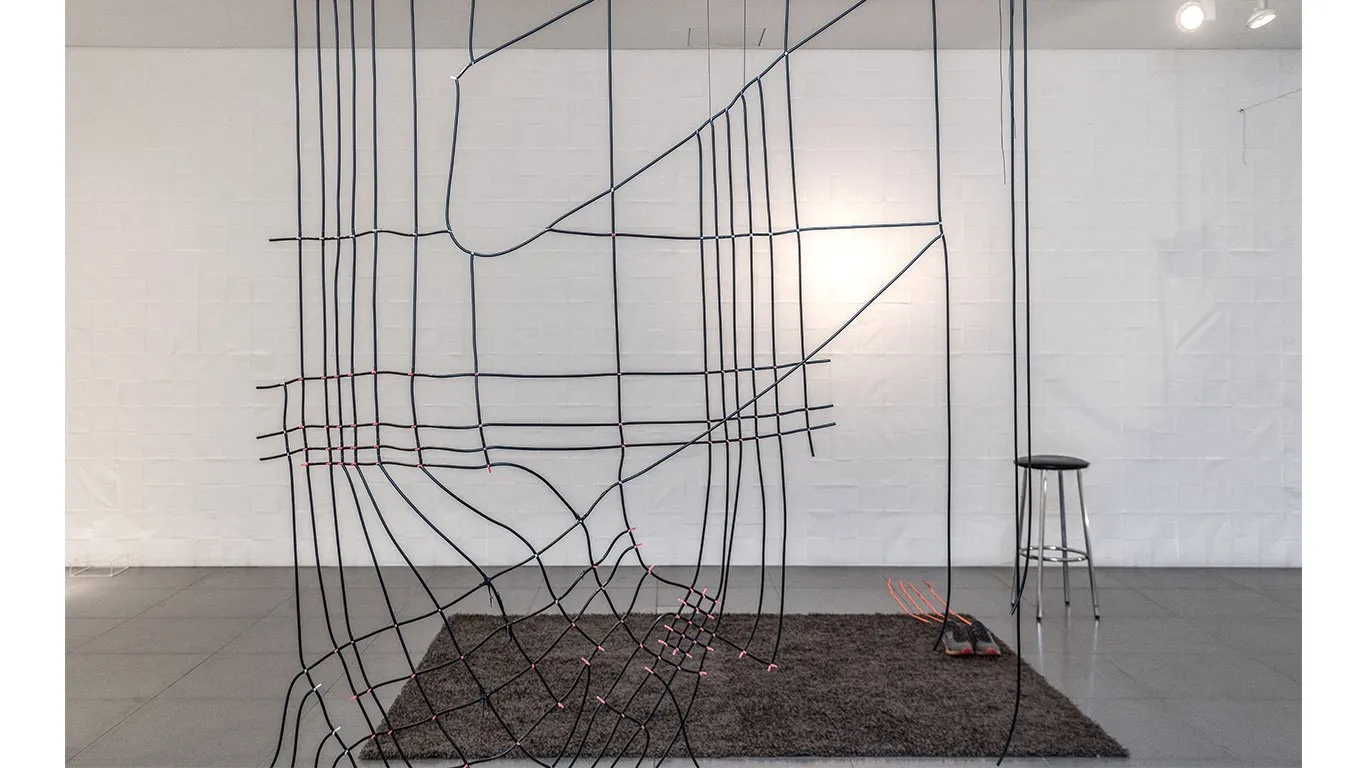
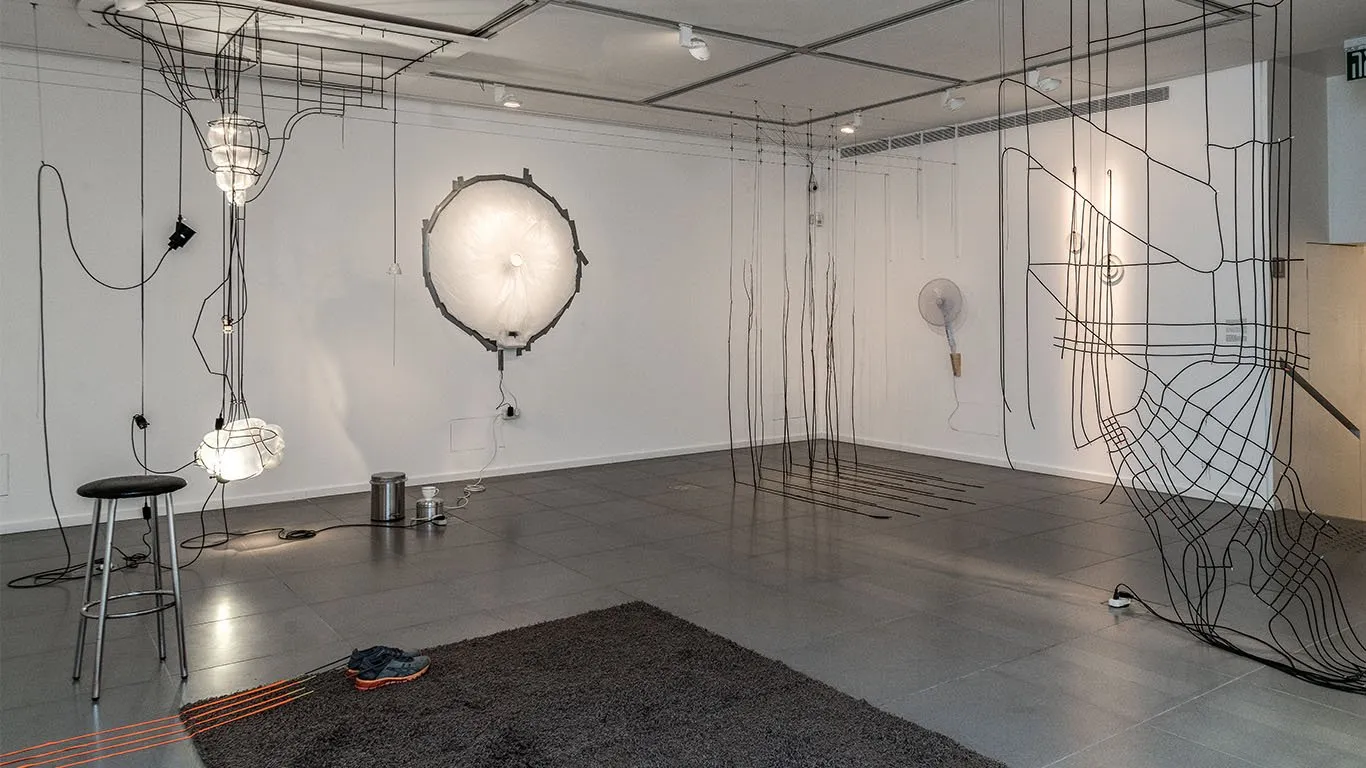
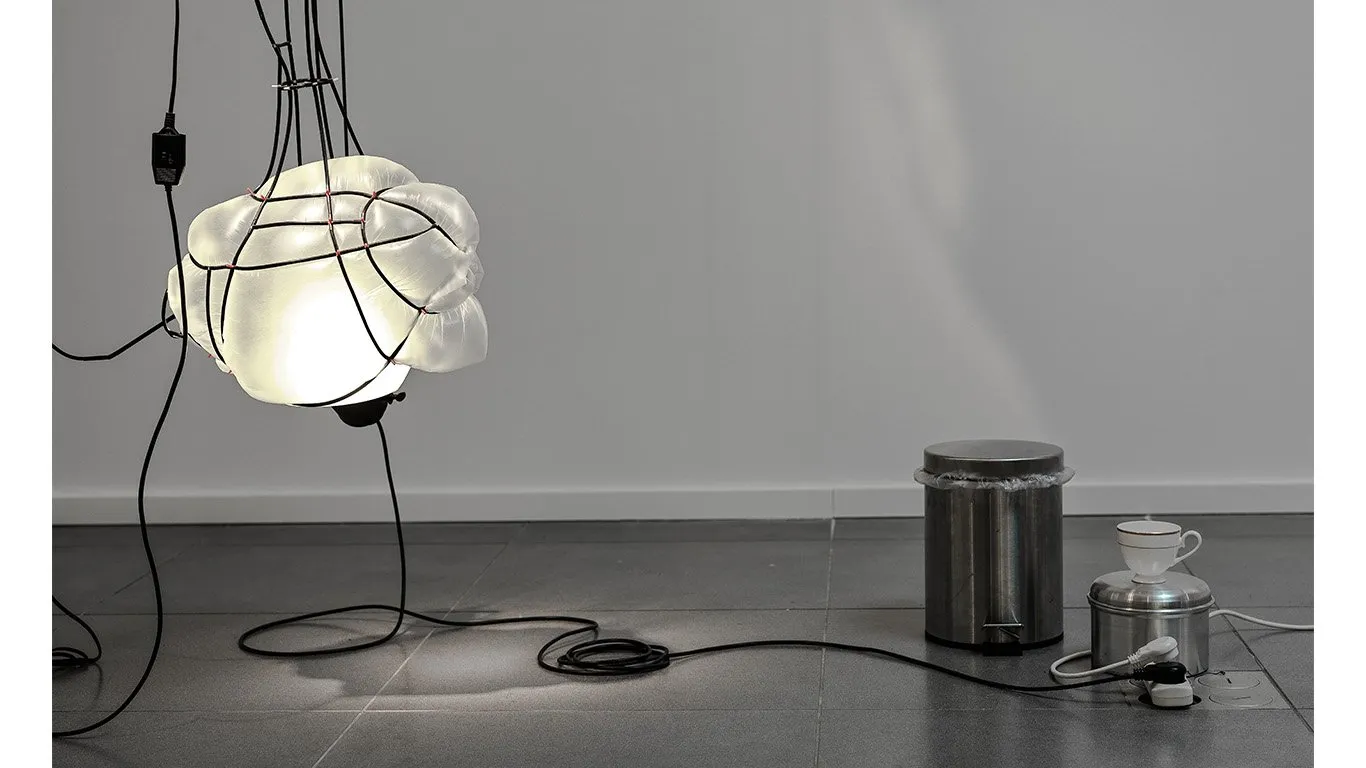
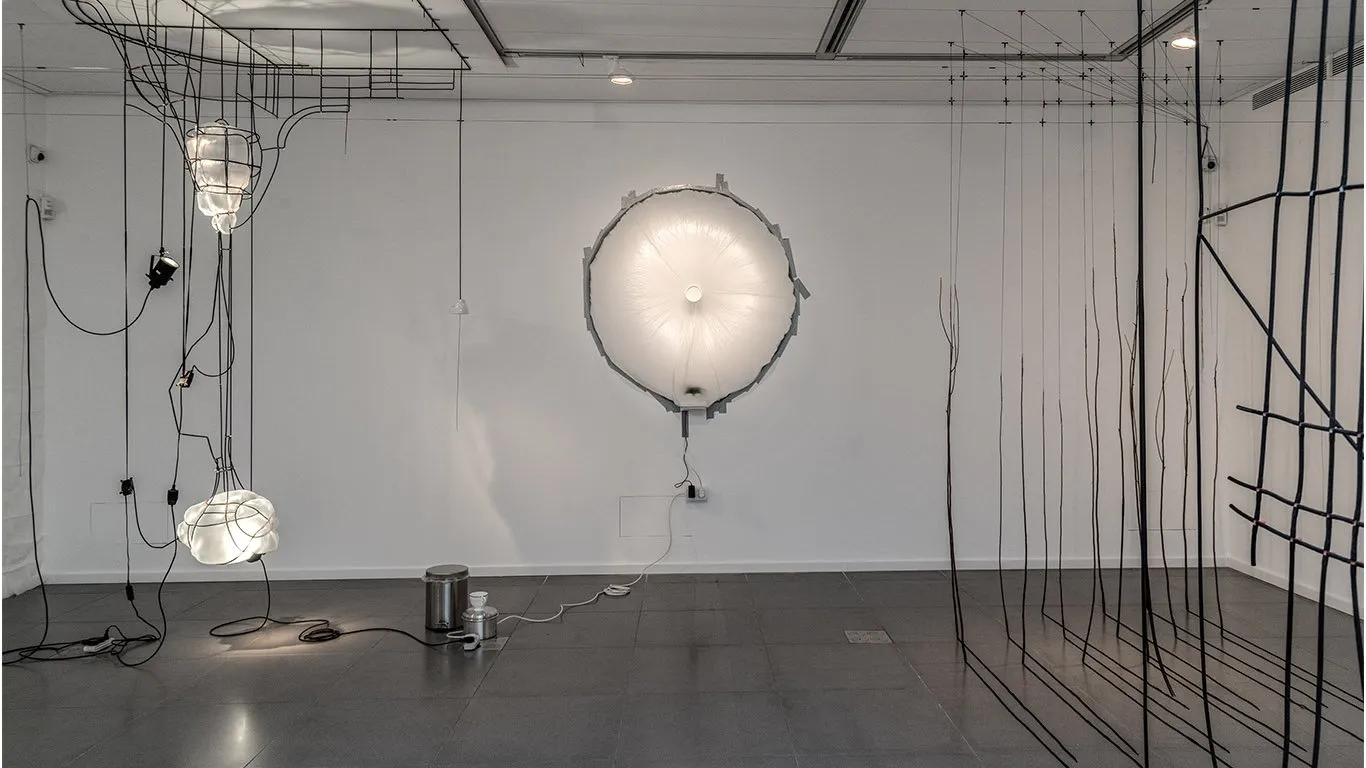
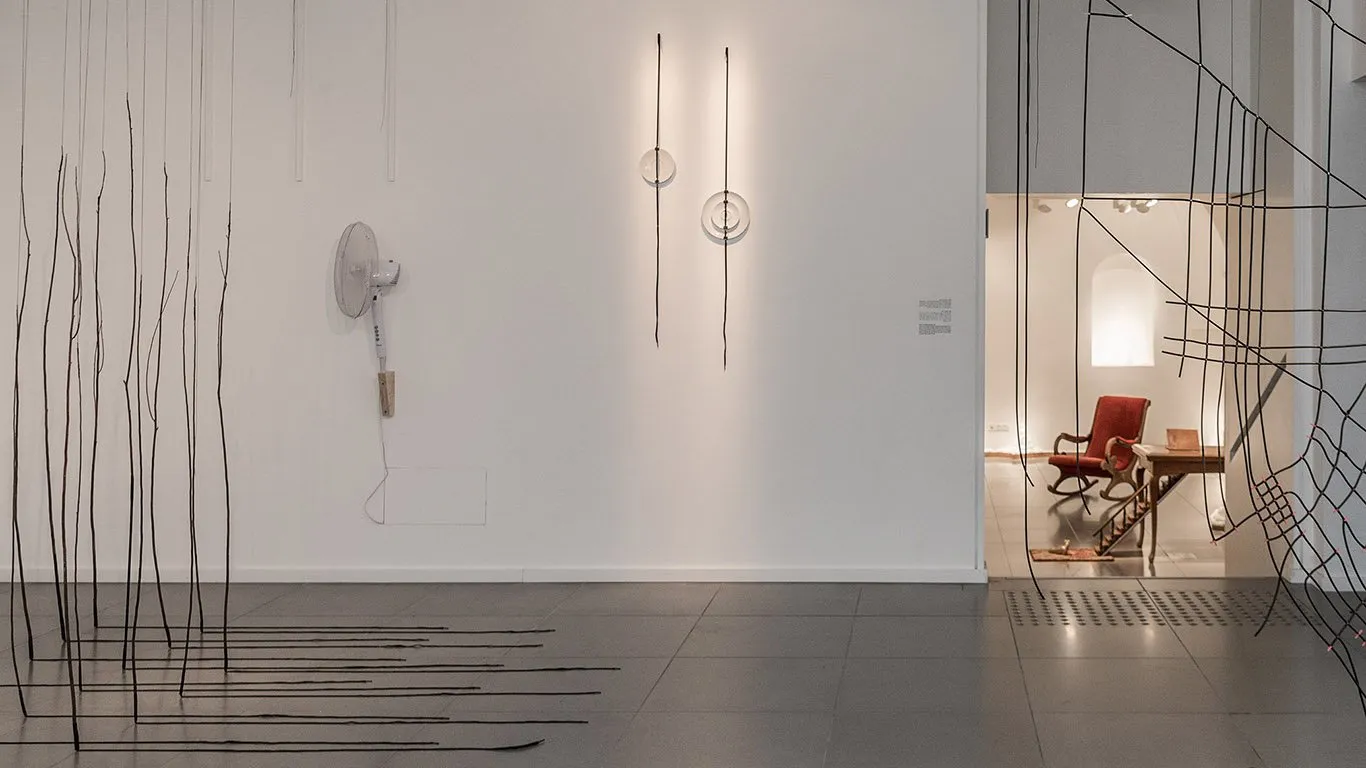
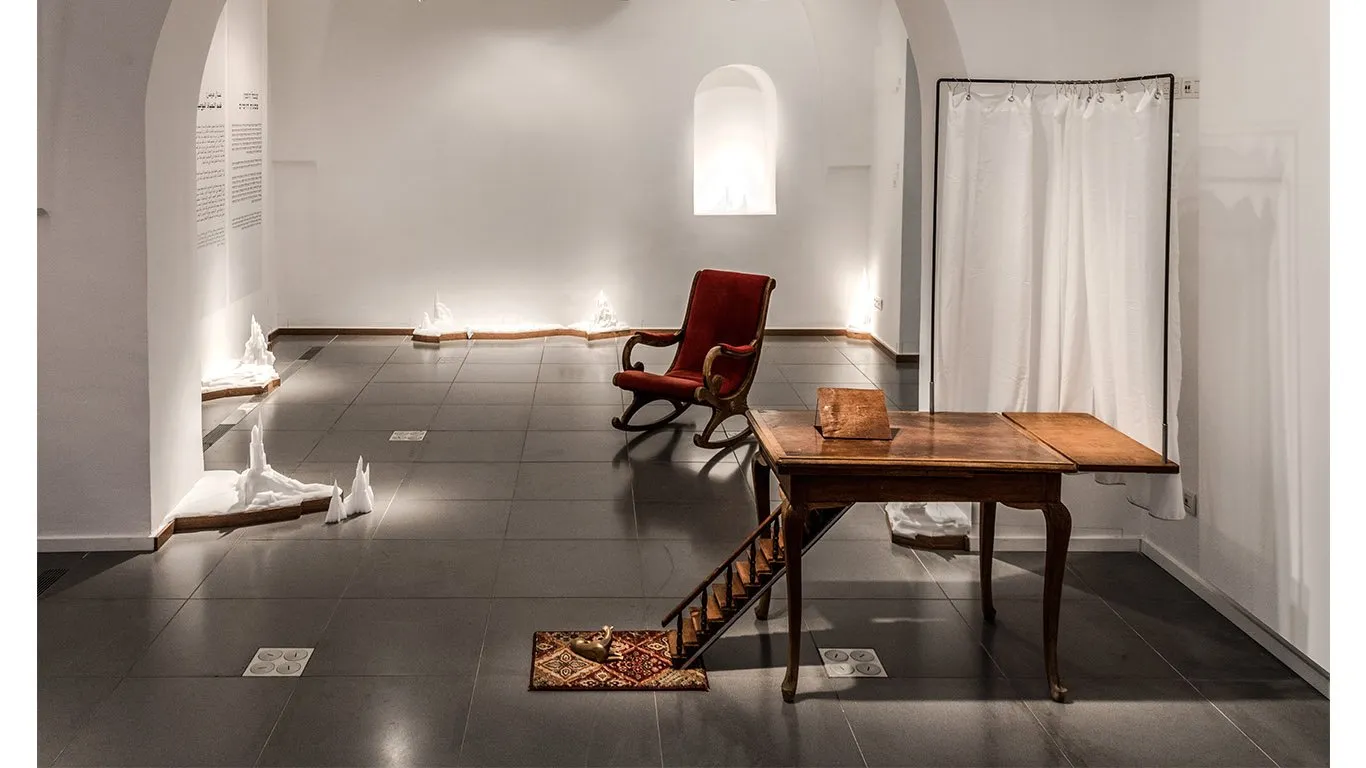
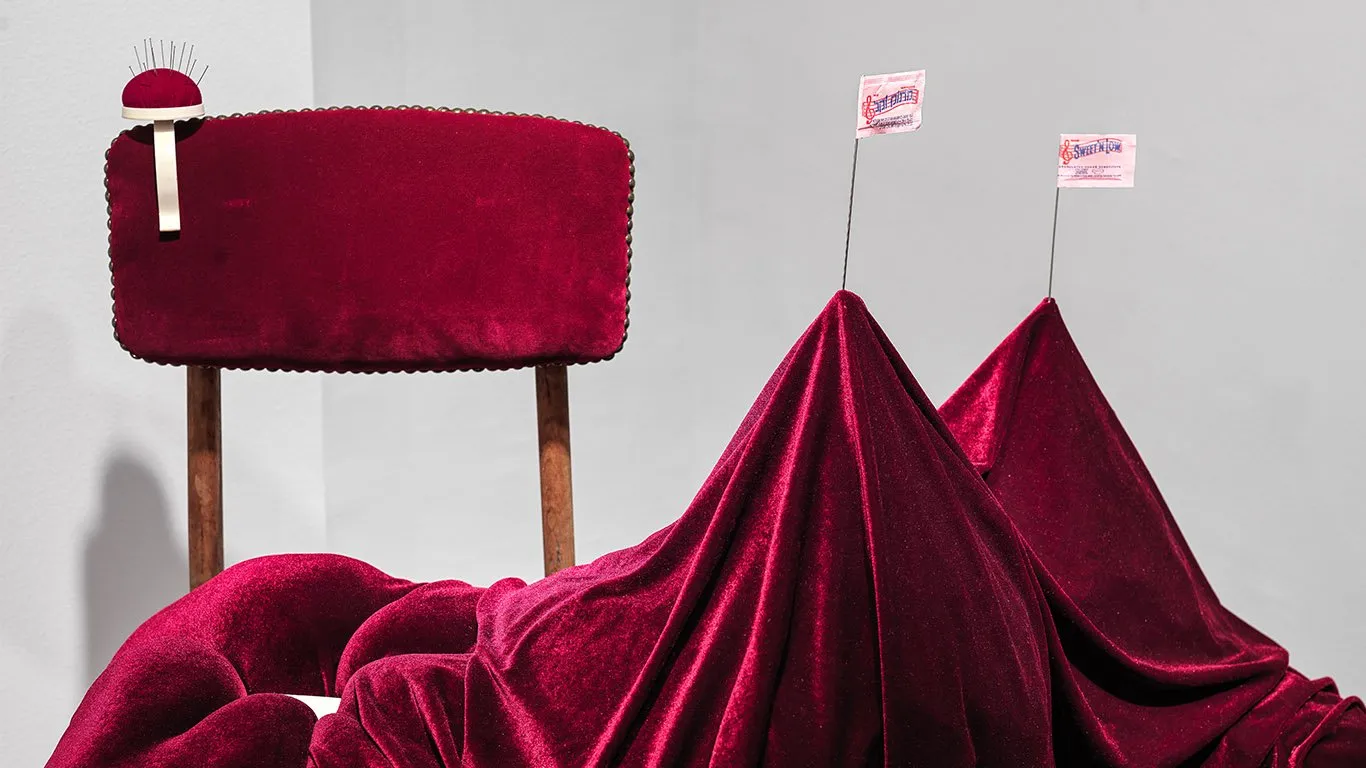
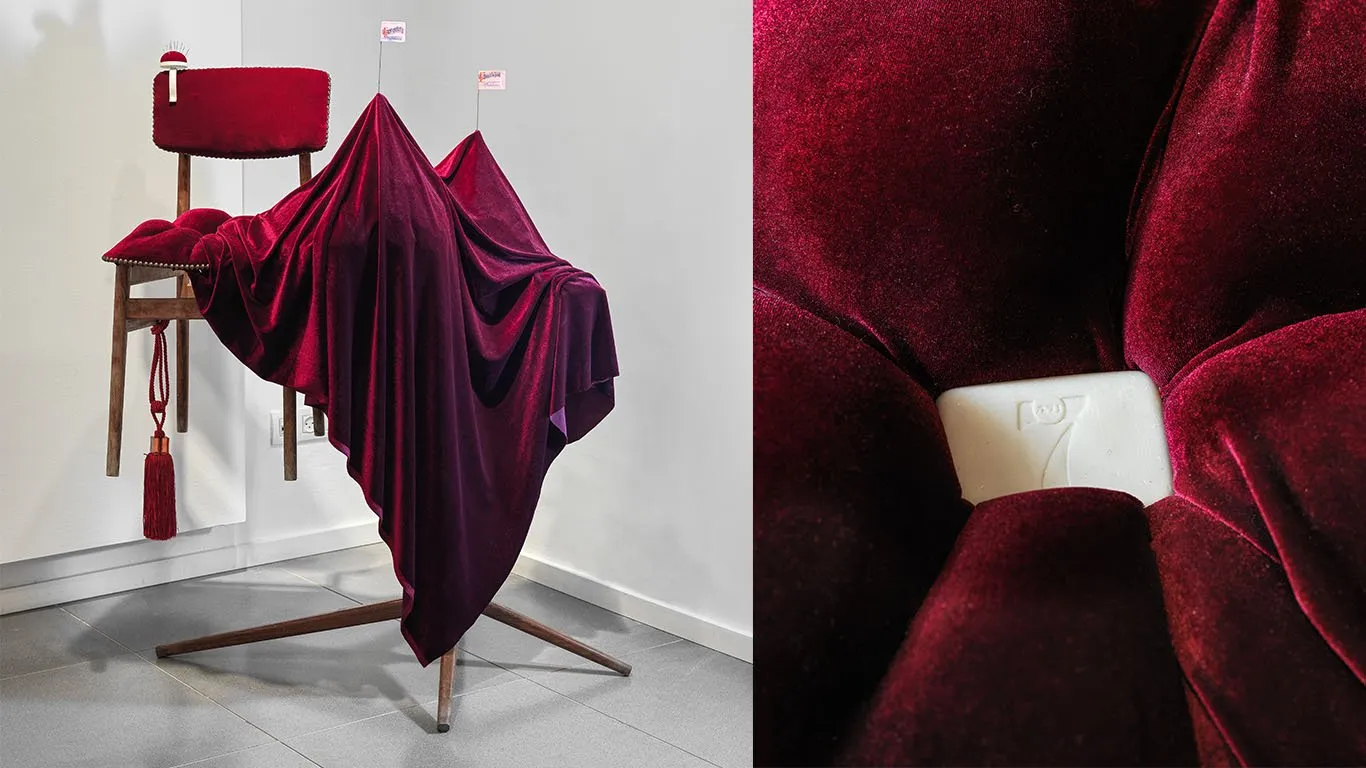
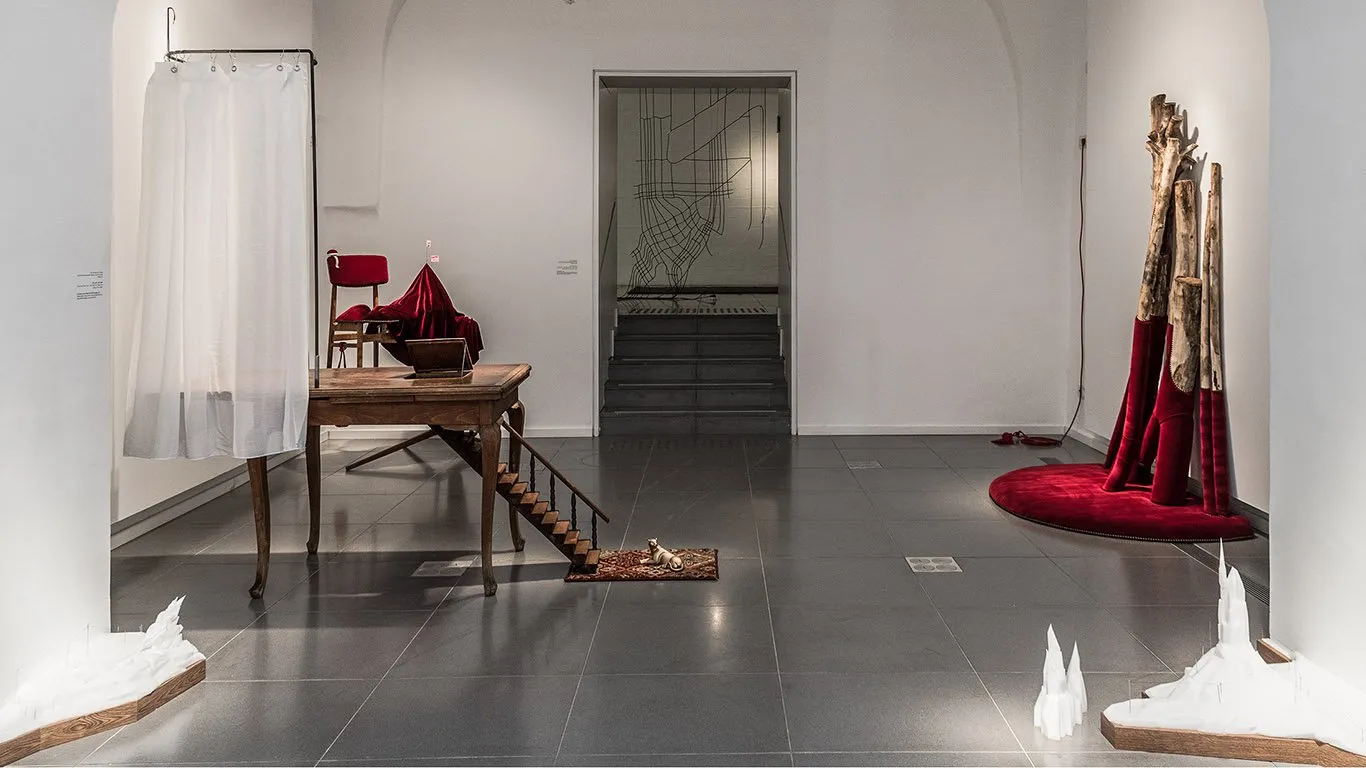
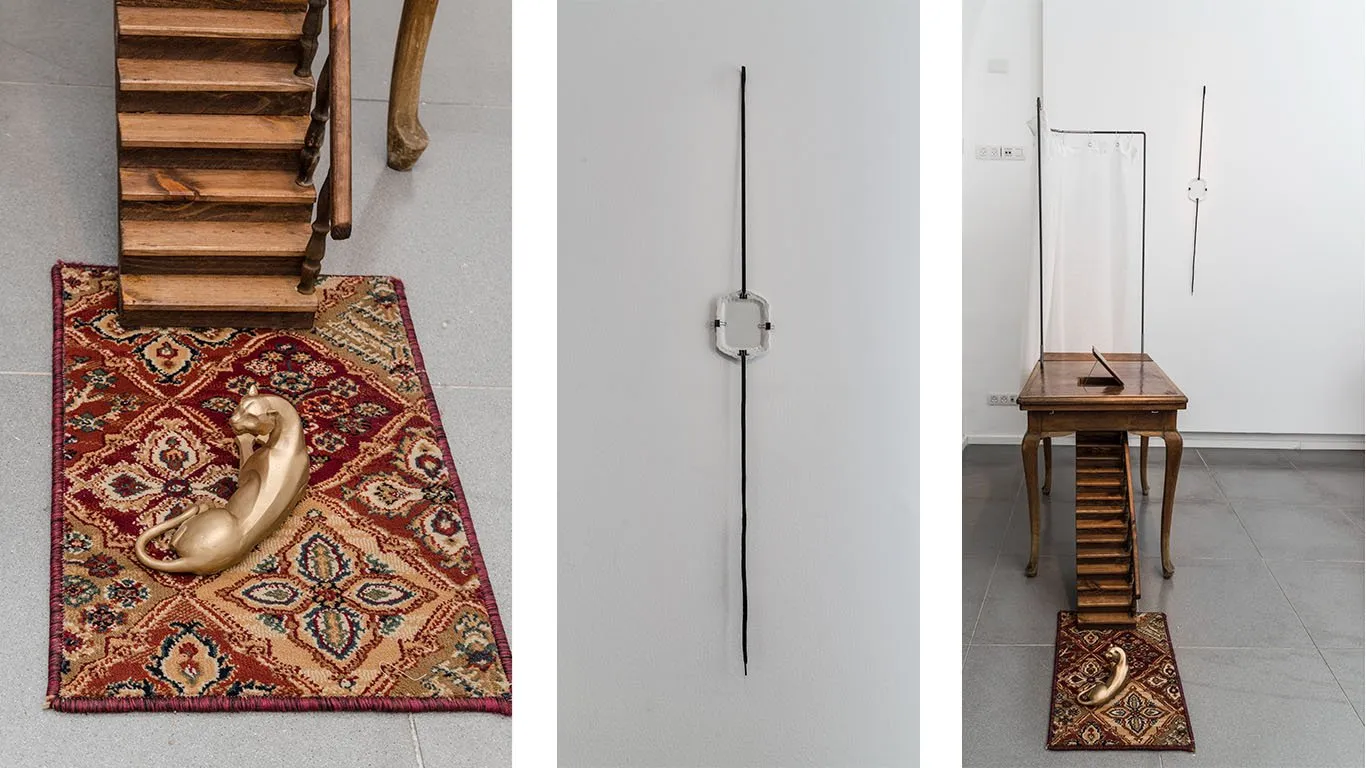
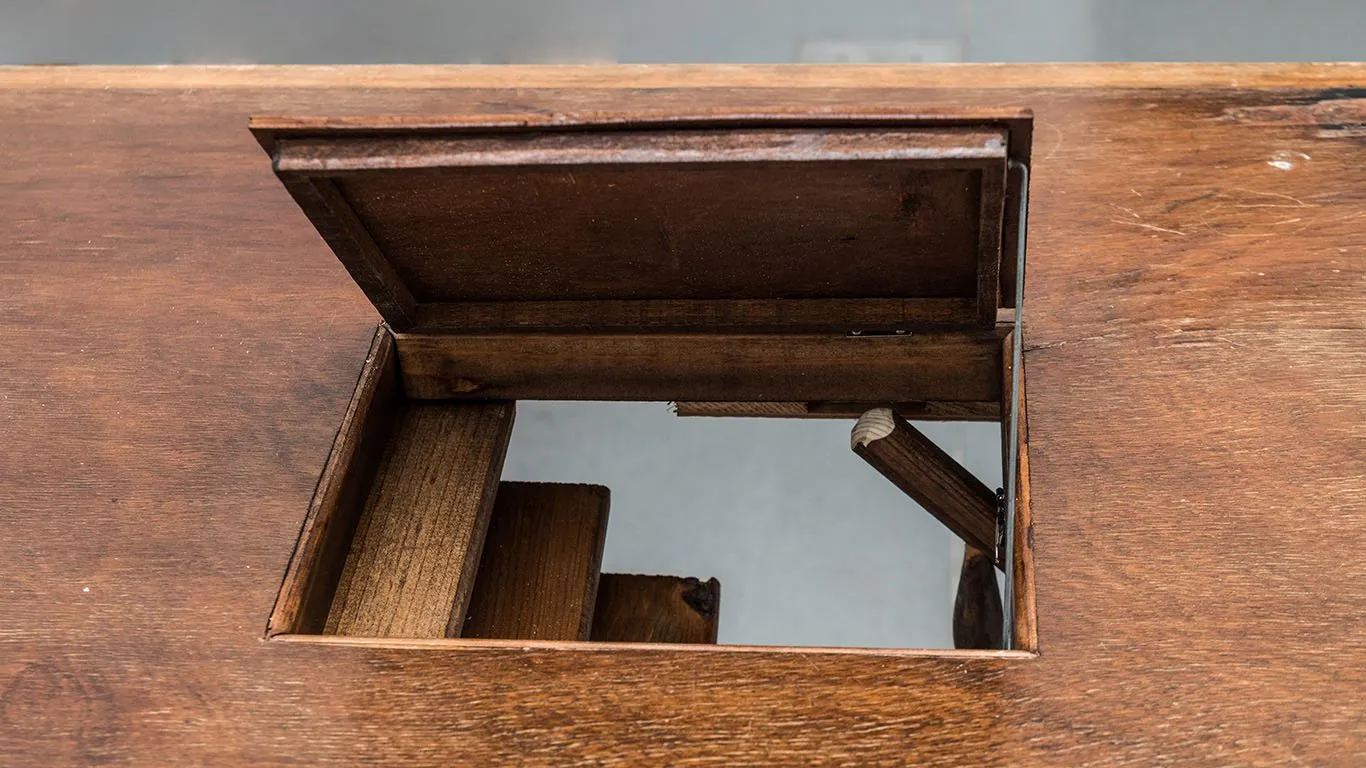
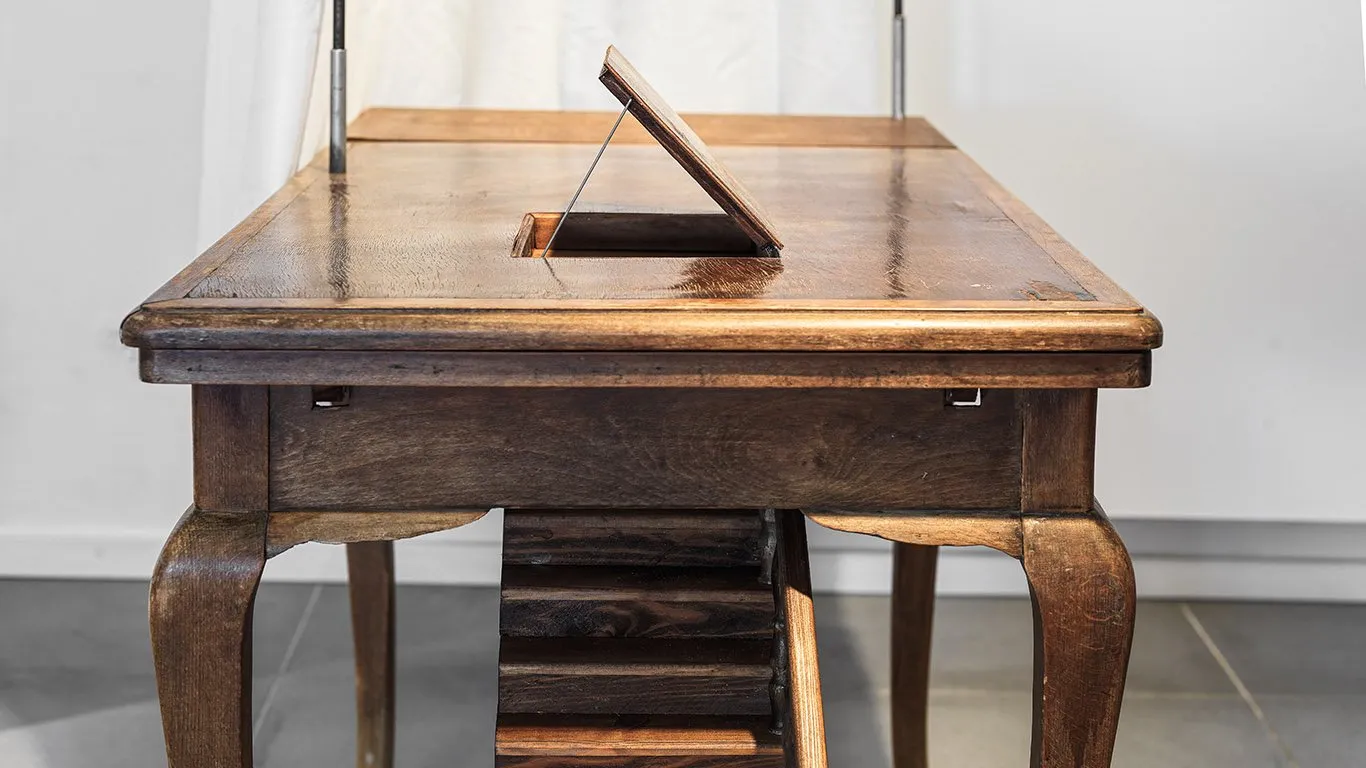
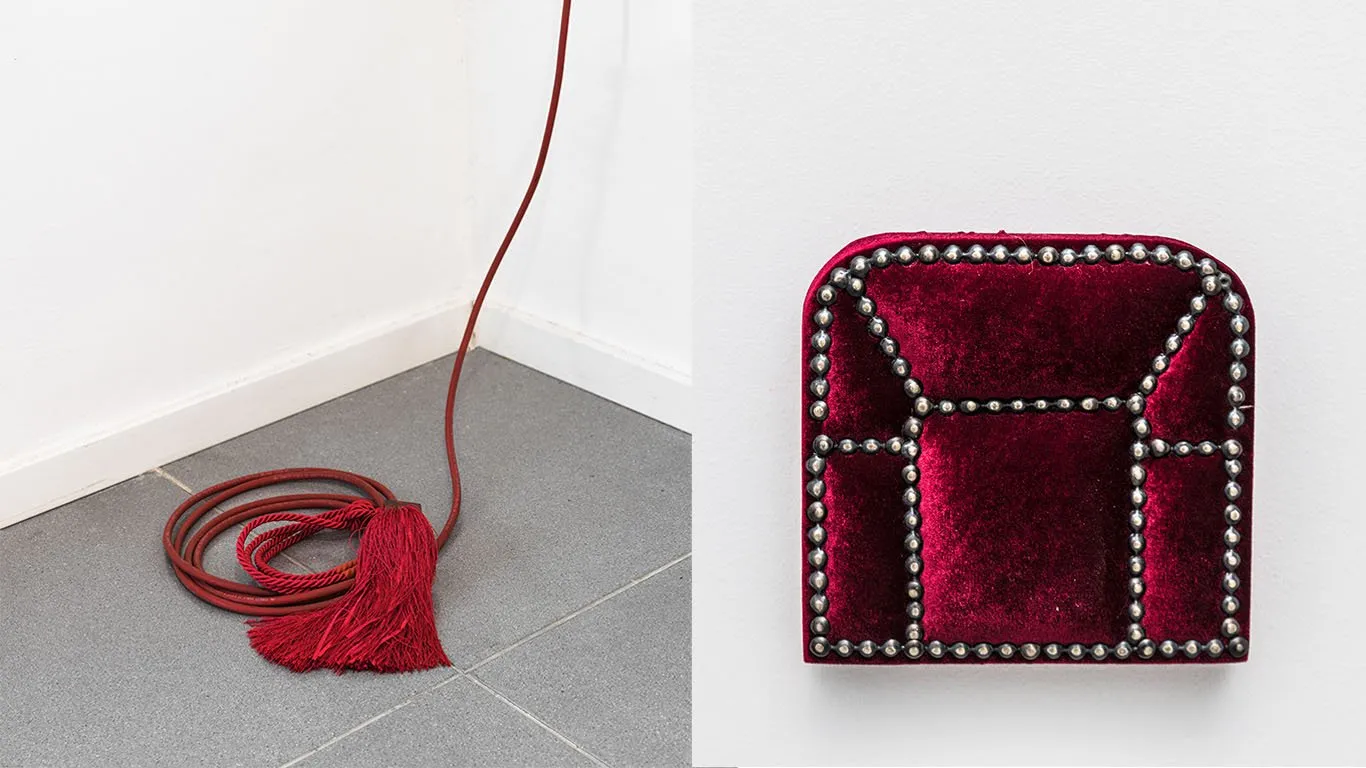
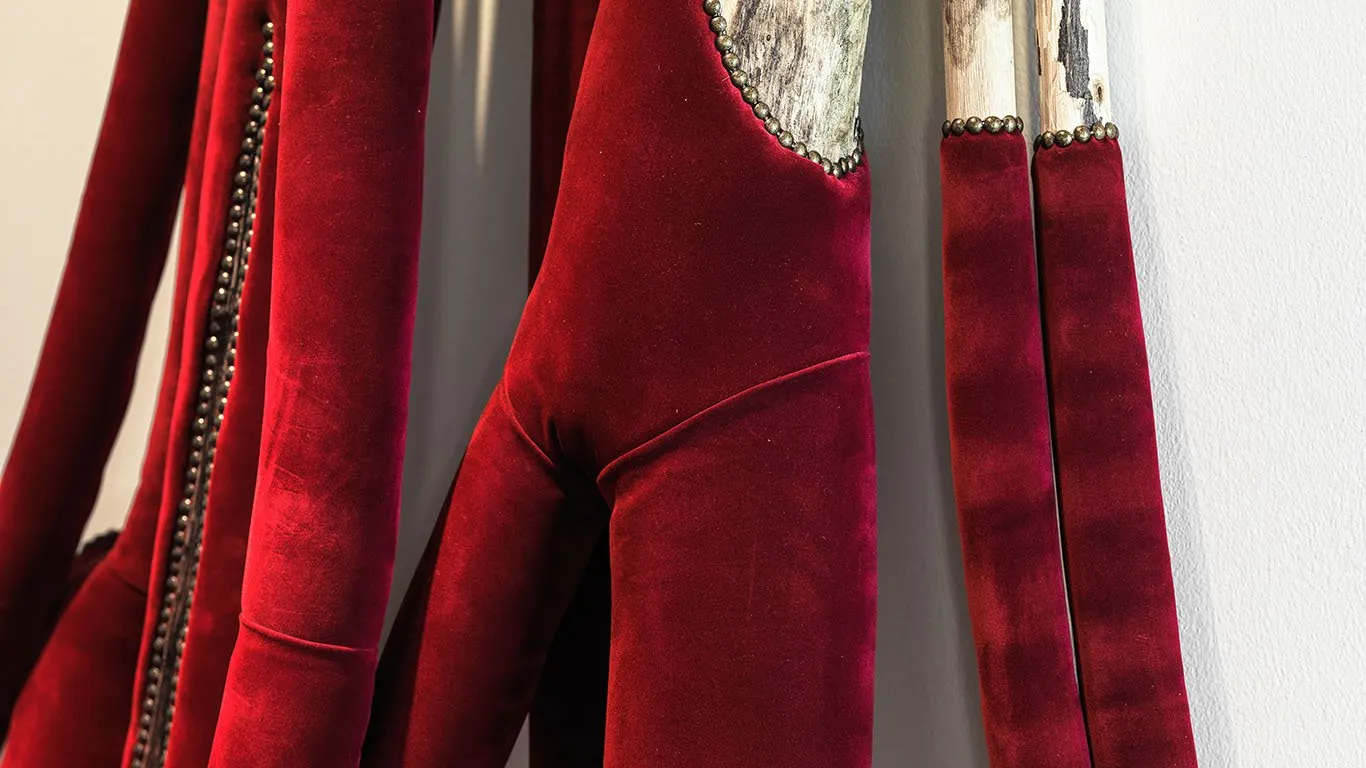
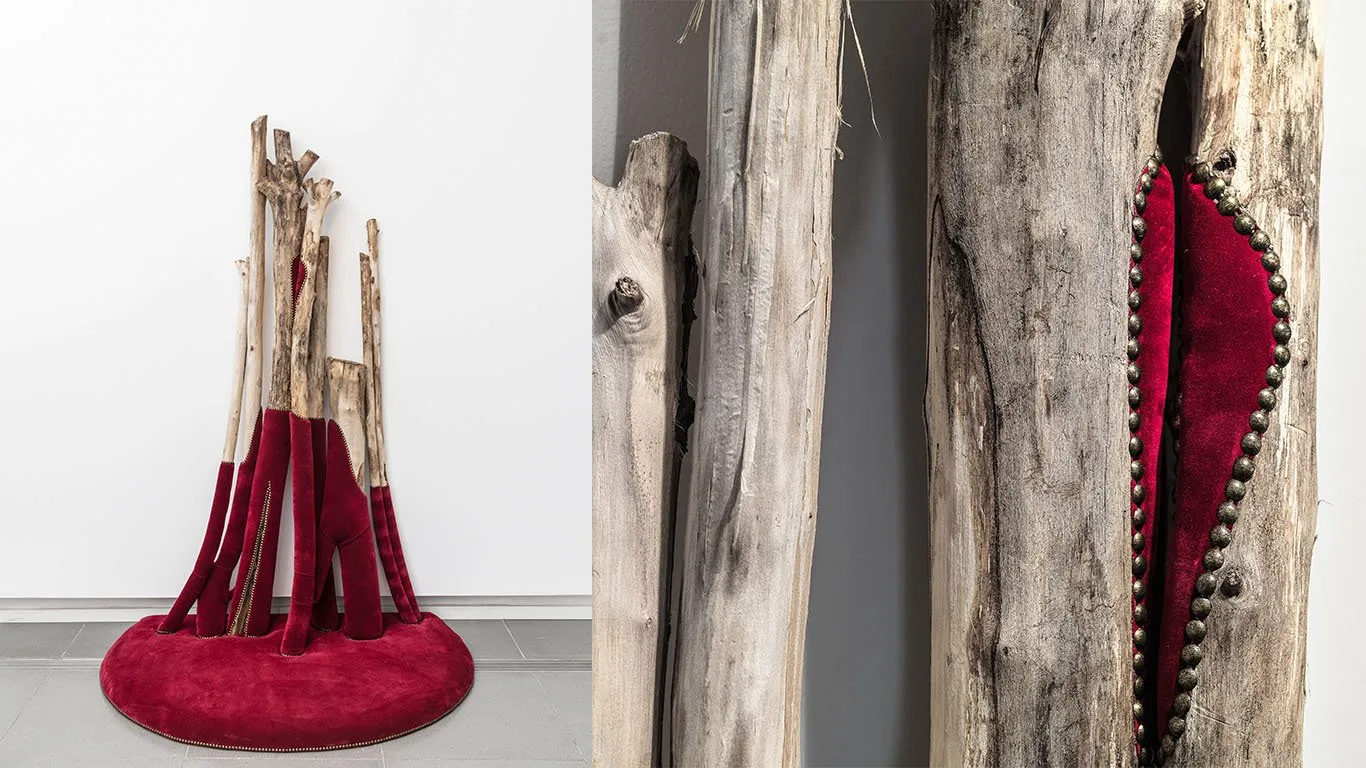
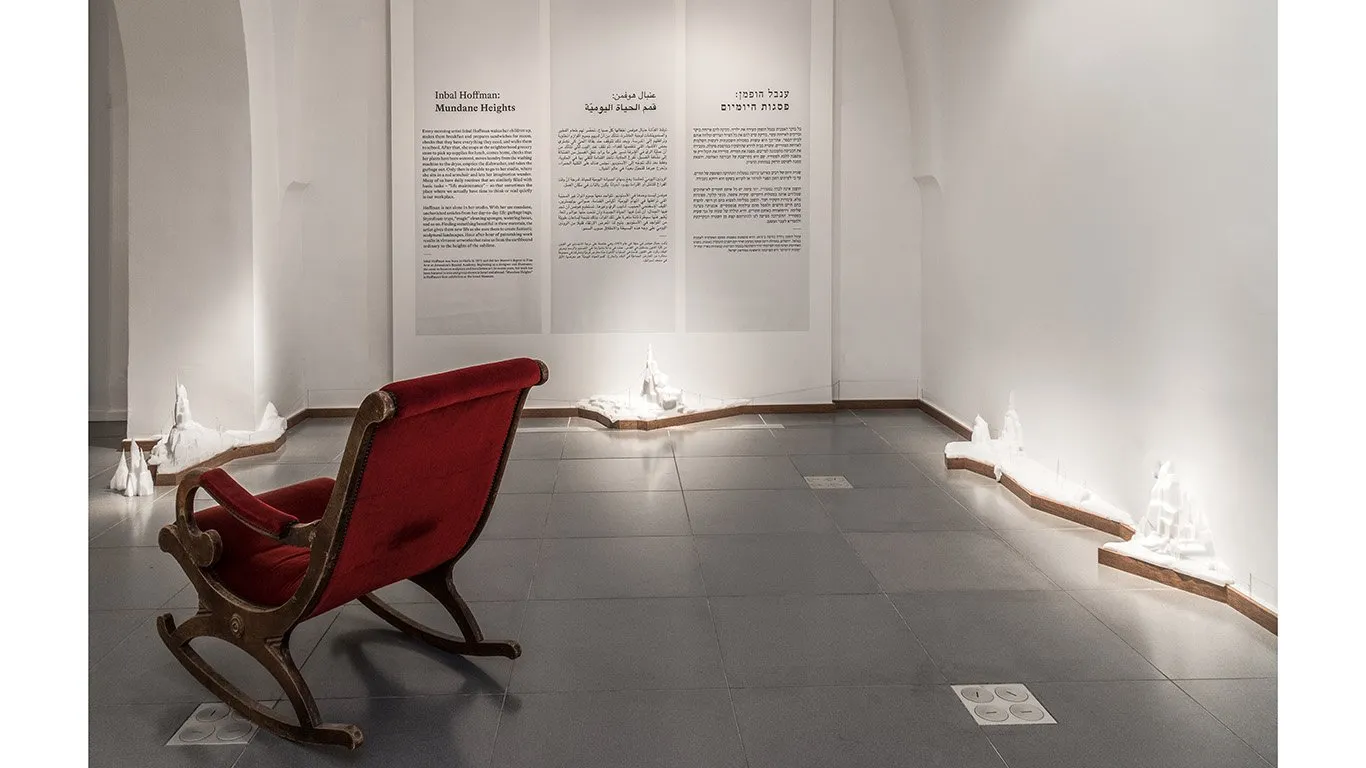
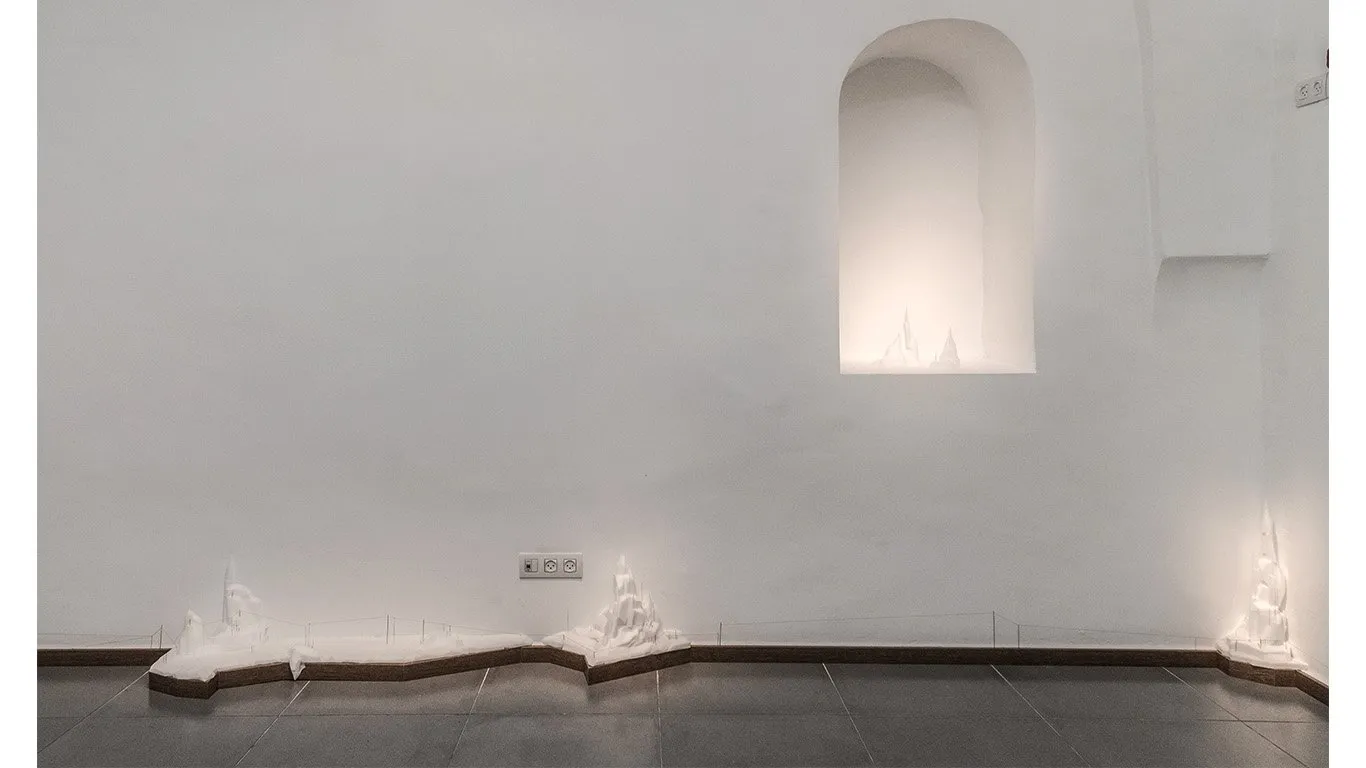
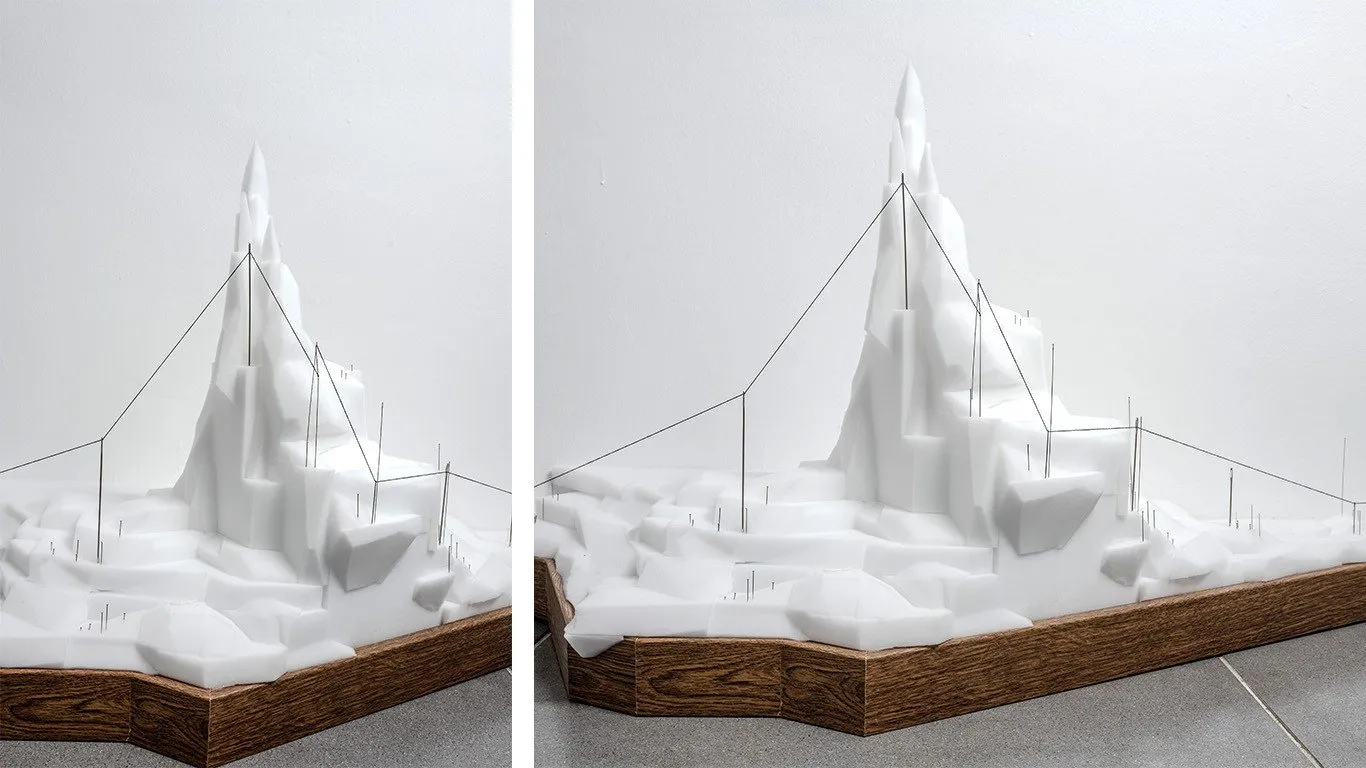
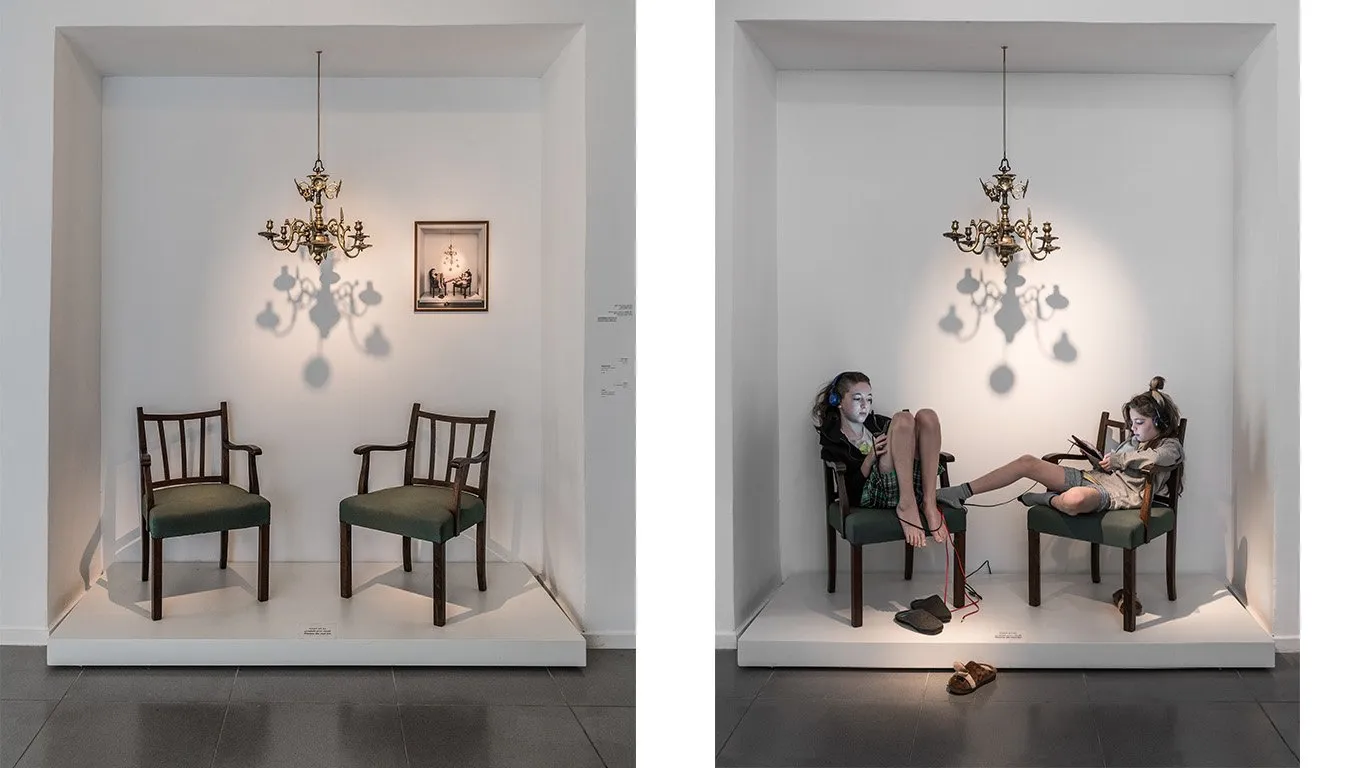
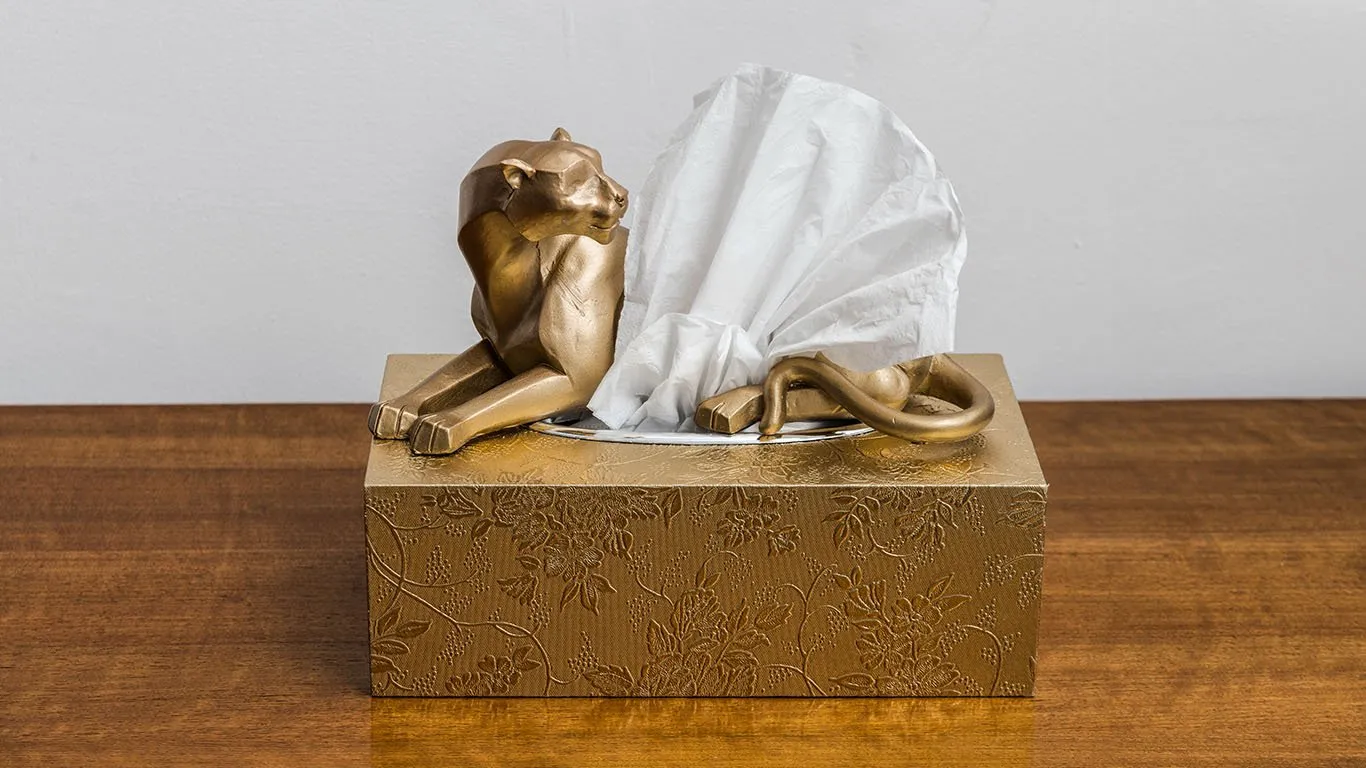
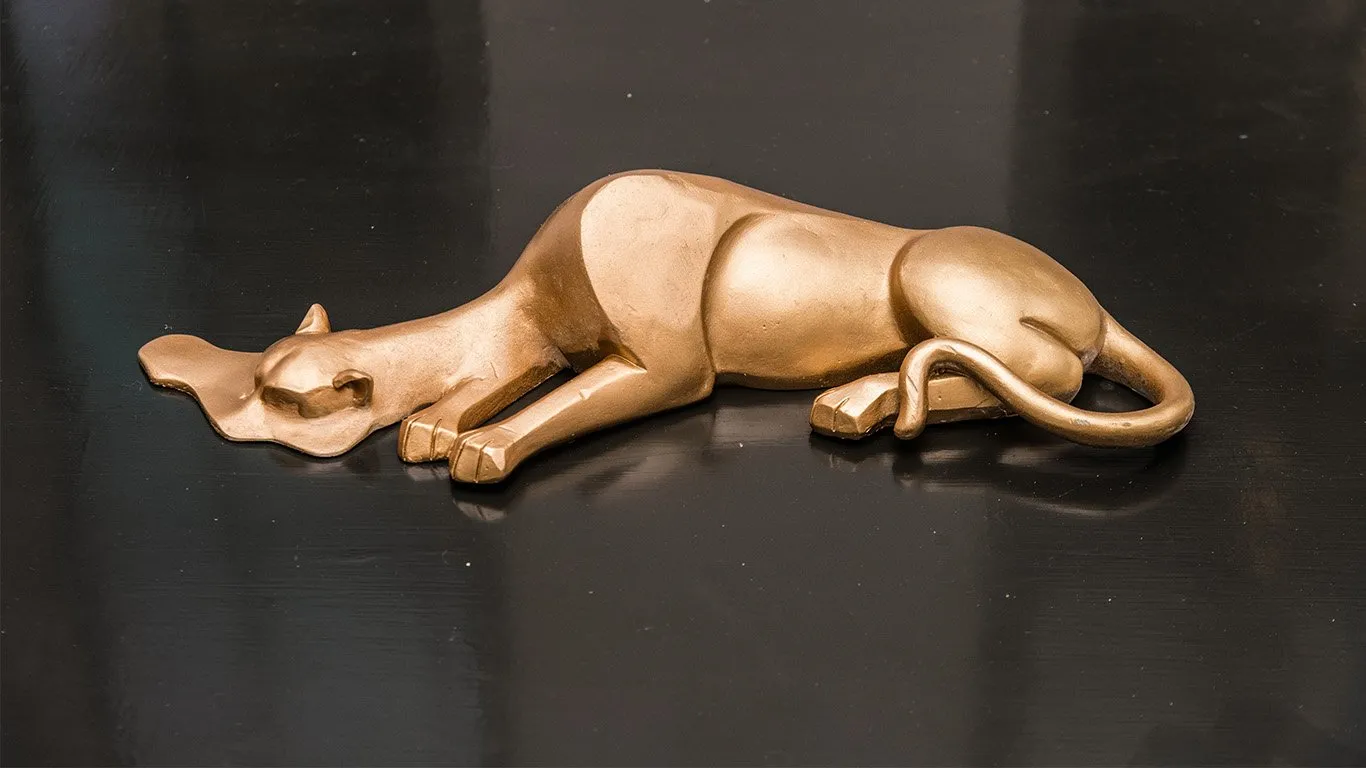
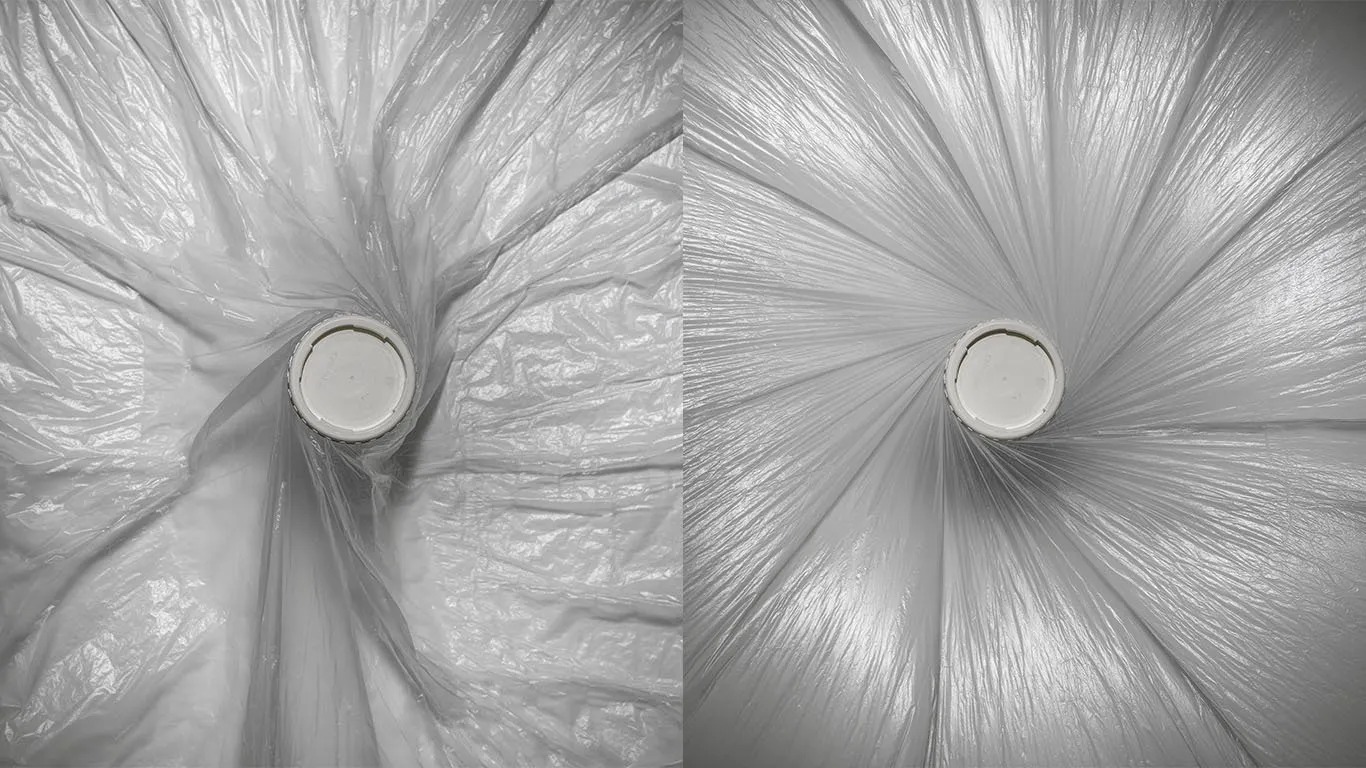
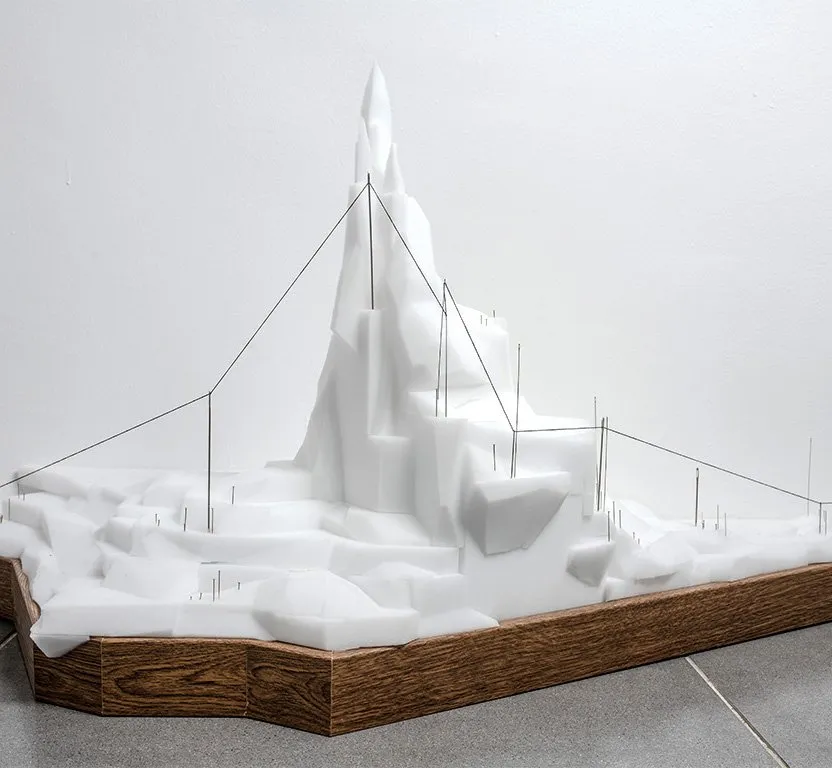
Curator: Shua Ben Ari · Photography: Eli Posner · Video and editing: Yoav Betzaleli. Inbal Hoffman's starting point is a sense of privilege — some would say the fulfilment of the bourgeois dream: a home. “Home” in the narrow sense, a safe place to dwell; and “home” in the broad sense — family, partnership, children. The dream so many aspire to has arrived, and with it the disappointing discovery that the inheritance brings no rest. On the contrary: the home demands to be fed and tended. Its ongoing upkeep fills the day with ease, and Hoffman finds herself fighting time to free herself for the studio, for art, feeling her hours mercilessly cut and bounded by the agents of her own dreams. Hoffman realized that her most precious resource is time, and began to spend it with rigour. Every work in this exhibition therefore begins with an unreasonable investment of time — hour upon hour of meticulous studio labour. Time is the principal material of her art, and it is visible to the viewer: it is impossible not to feel the clock's hands moving when looking closely at the stacks of magic sponges carefully glued one atop another, bounded by panels cut to their exact dimensions, sculpted at the edges and pierced with sewing needles between which fine threads are gently drawn; or at the rolls of paper towel torn into squares, folded into quarters, straightened again and glued by their creases to the wall in impeccable order. In Hoffman's art the materials are simple and the craft is plain to see, free of manipulation — and yet a kind of magic hovers over the work. With time, and with the materials of daily chores, she manages to weave thoughts of other, sublime worlds, where home is far away and the clock does not exist. Her materials come not from art or craft shops but from the household aisle: garbage bags, polystyrene supermarket meat trays, drinking straws — raw material. She takes objects designed for a specific, useful purpose and expropriates them for her work, choosing not to use them as intended but to set them free. Together they refuse to surrender to the order of the everyday and collaborate instead in the service of beauty and imagination, where there is no permitted and forbidden, no right and wrong. The maintenance of life demands total control, to the point where the smallest change in a packed daily schedule seems liable to bring everything crashing down — as though being late to collect a child from an after-school class could set off a chain of fateful events and a bleak end to the day. In her art Hoffman tries to take control into her own hands, producing complex systems founded on precision, order and organization. She stretches the materials of daily chores to the very limit of their ability, forcing them to bend and submit to her will, and finds in them grace and beauty — producing a landscape one can wander through and admire for its impeccable arrangement, its dazzling aesthetics, and the revelation of the artistic qualities hidden in plastic bags, irrigation tubes and aluminium bowls. The immense impression intensifies once we realize that the spectacle hangs by a thread: one wrong move would topple it, and with it Hoffman's endless attempt to rewrite the order of the world. In the studio, Hoffman is the “homeowner.” She creates worlds in miniature, taking unexciting objects she meets daily in household chores and bending them to her wishes, conjuring with them a sweeping experience of a parallel, far more thrilling universe. The choice to be a guest at the Anna Ticho House is not incidental. On the face of it there is no resemblance between Anna Ticho — known for her romantic drawings of the Jerusalem hills, gnarled olive trees and rocky earth — and Inbal Hoffman with her contemporary sculptural installations, seemingly free of any local affiliation. And yet perhaps there is: two women, artists, who live and work at home. Ticho, an artist in her own right, was also identified as “Dr. Ticho's wife,” assisting his work, the perfect hostess opening her home to all of Jerusalem; and Hoffman, who tries to justify to herself her existence as an earning artist alongside being a partner and a mother. Two women for whom art is both vocation and aspiration, yet whom life asks to give up art's exclusivity for the sake of “home.” Perhaps it is no accident that Ticho went far from the house to depict nature in all its power, while Hoffman seeks the sublime within the home itself. The Ticho House today is a preserved building with a permanent display offering a glimpse back in time to the days the Tichos lived there. When Hoffman visited, she was struck by the surviving furniture — the grand piano with its “do not touch” sign, the upholstered chairs no one may sit on. In a sense, the permanent display mirrors the way people treat their living room: a kind of idealized self-portrait, its chosen items reflecting how they wish to be seen and remembered. Hoffman's furniture stages this theatricality — second-hand pieces whose purpose seems clear at first glance, until a second look reveals the absurd, the excess design, the exaggerated investment in sanding the wood or upholstering in velvet, raising a smile but also a sorrow at the vast effort poured into the superfluous, into empty ornament. Work on Mundane Heights ended because the opening date arrived — but in truth it will never be complete. Ironically, like the sink that fills with dishes each day and the laundry that always needs folding, in the studio too Hoffman never has enough. For her, the work of art is not an act of beginning and end but an ongoing way of life. In this exhibition she offers visitors the chance to experience the everyday as a summit — in a way that makes the climb easier, and the breathing a little less heavy. — Shua Ben Ari, 2020