Flash Drive
2018
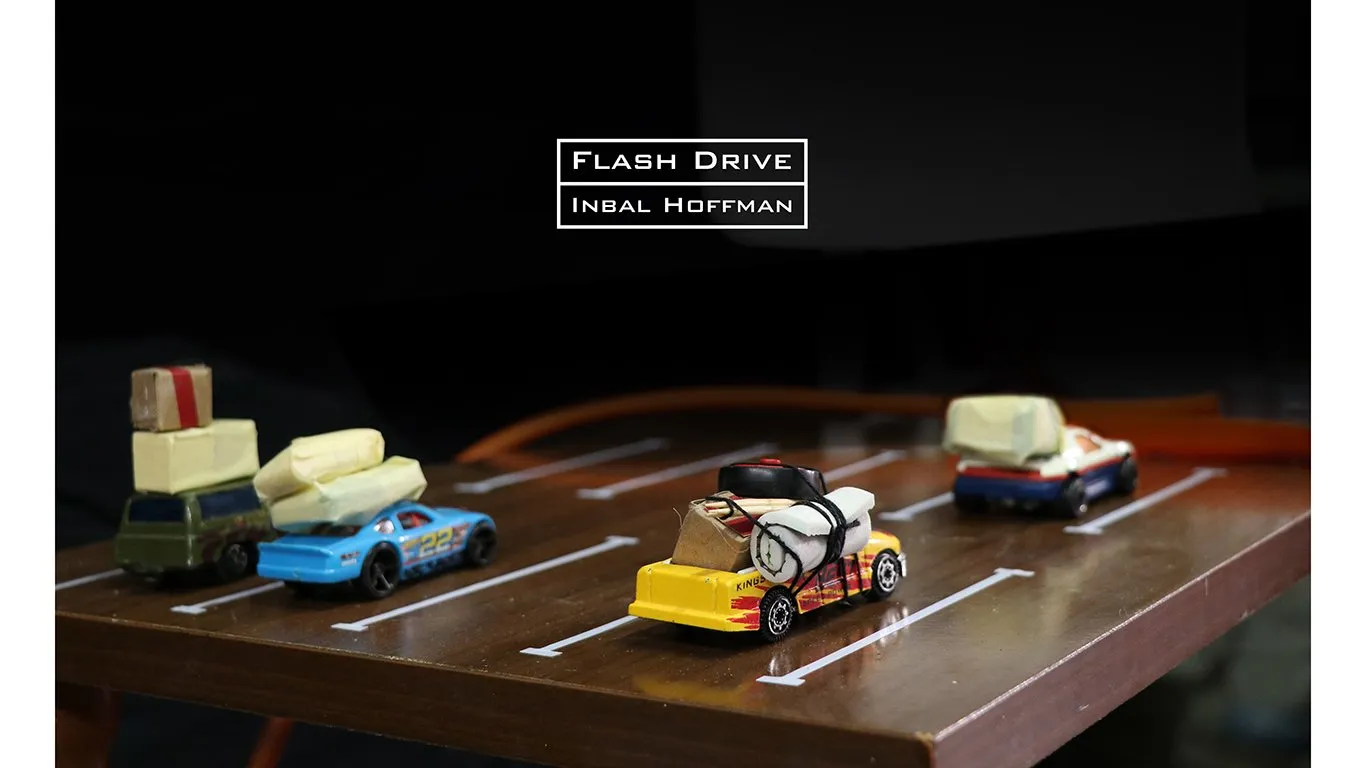
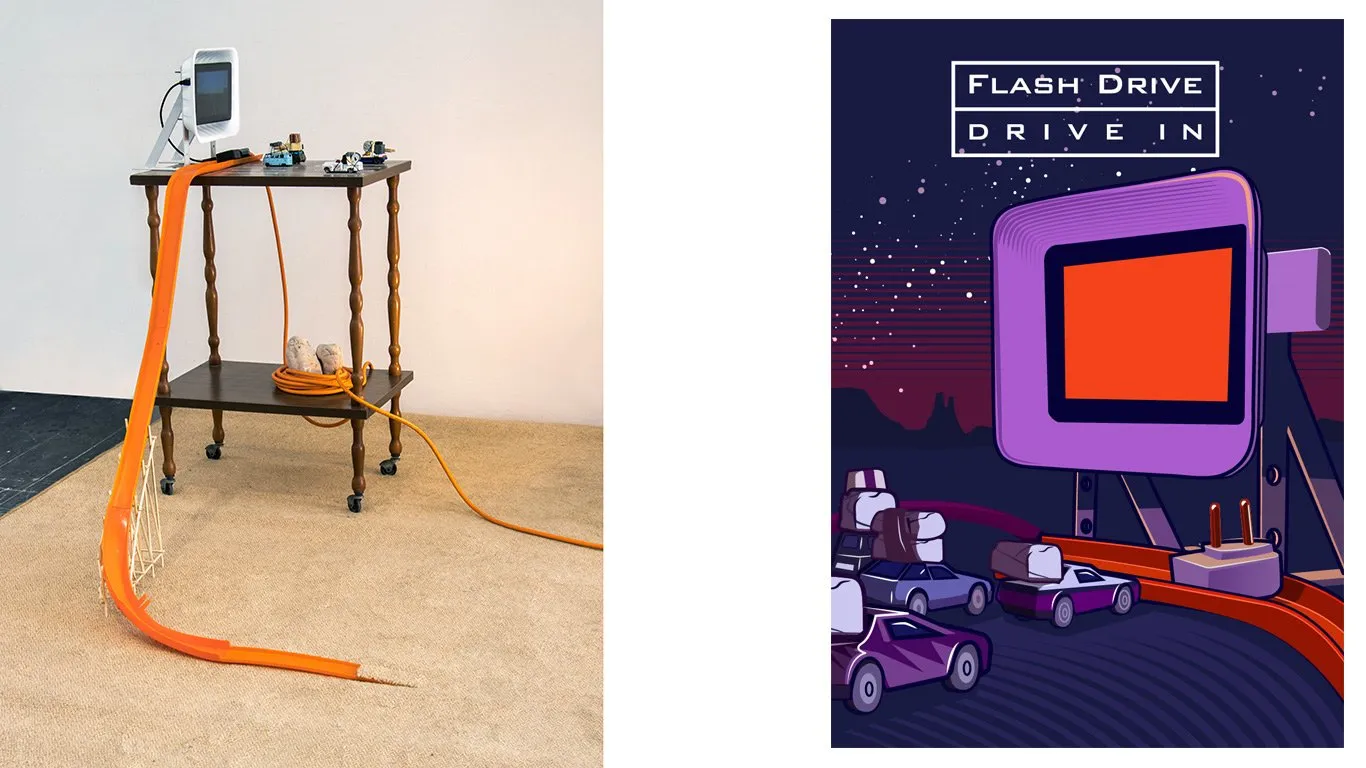
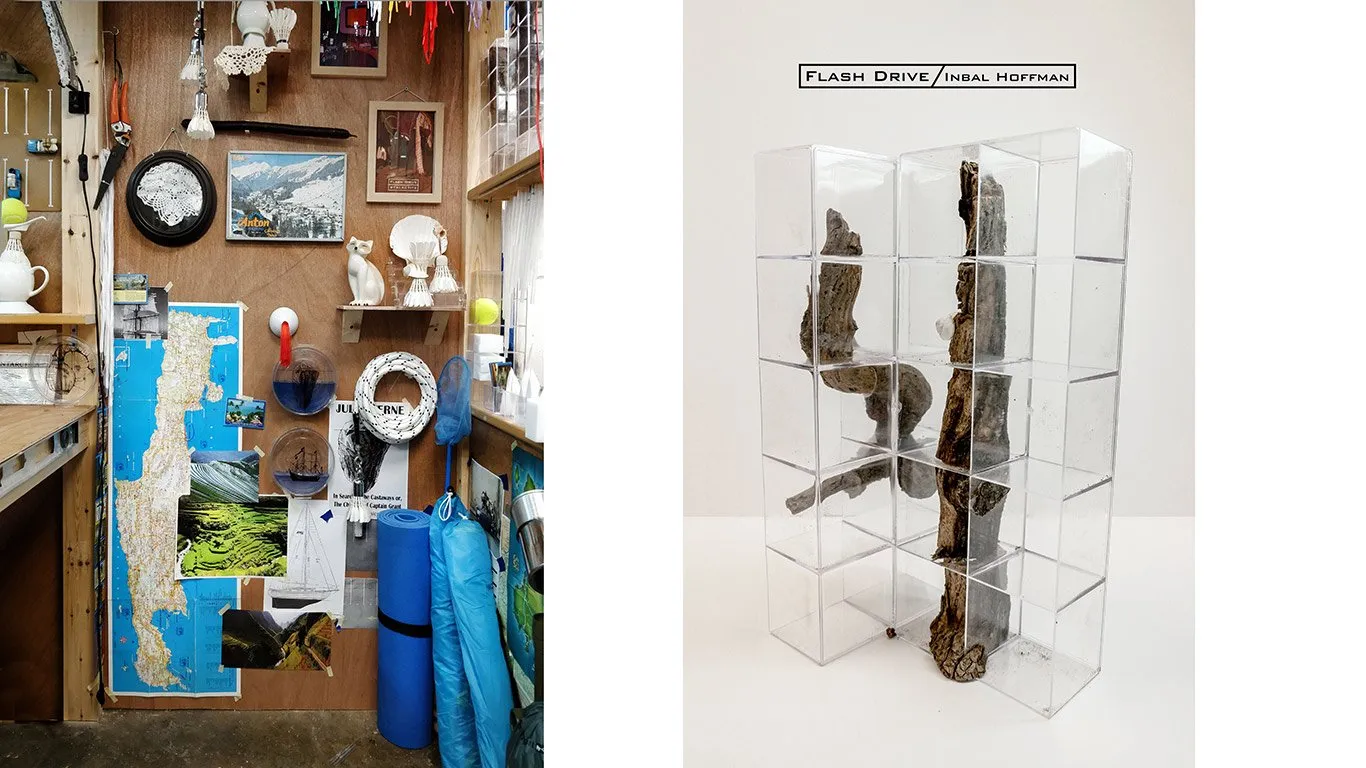
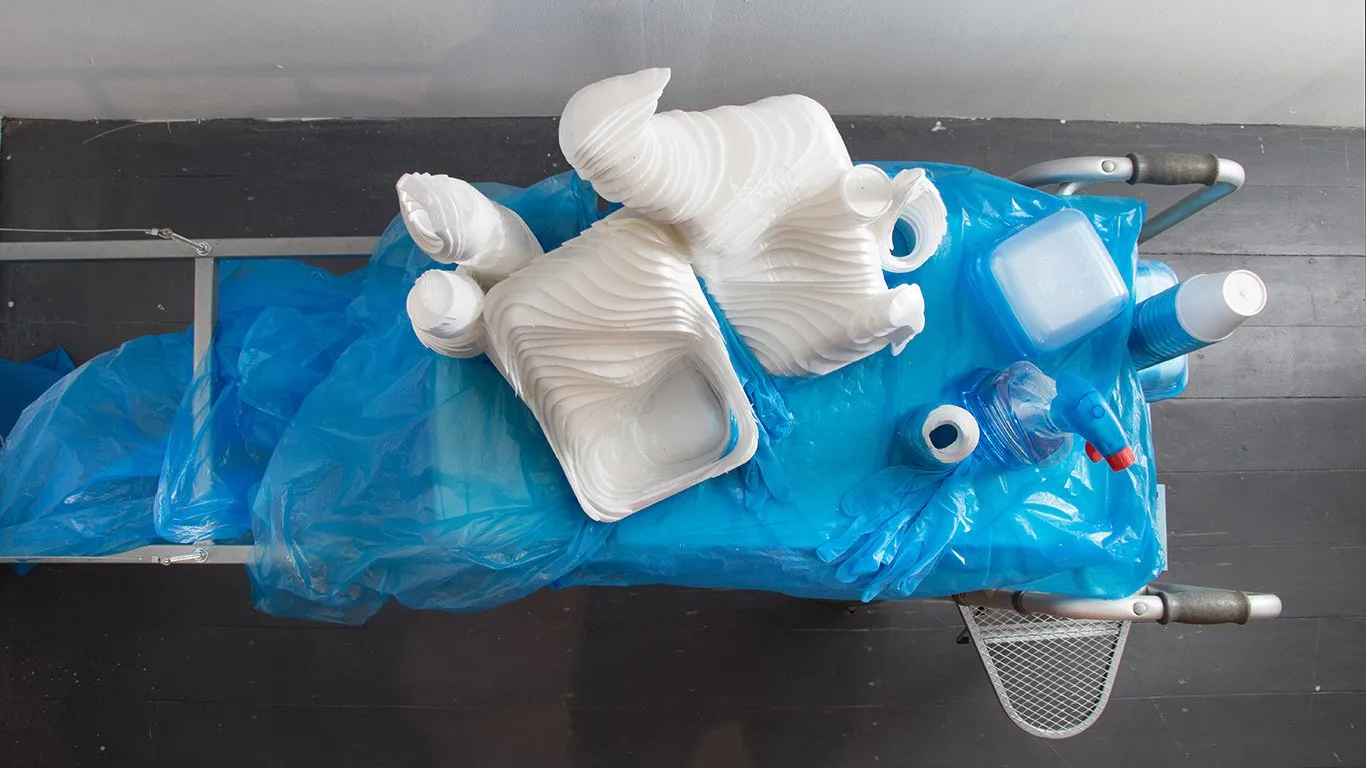
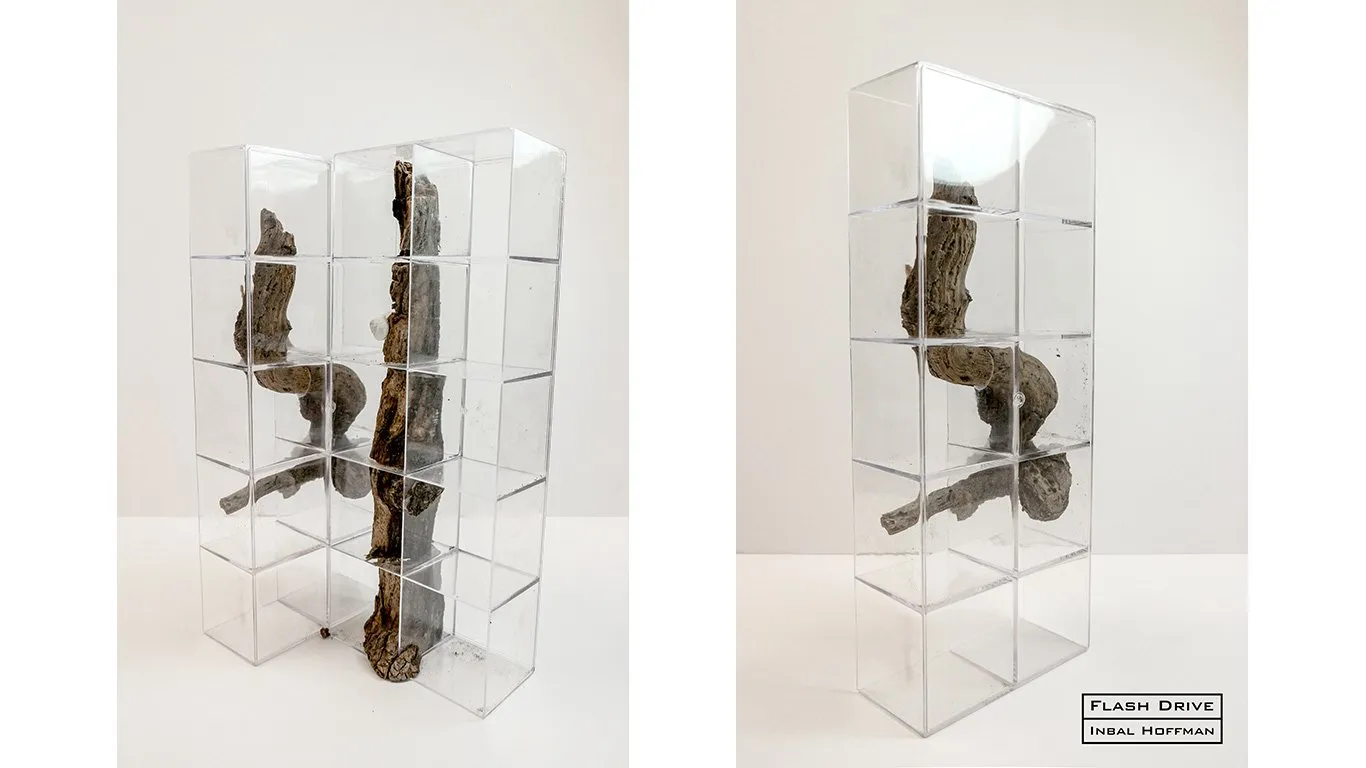
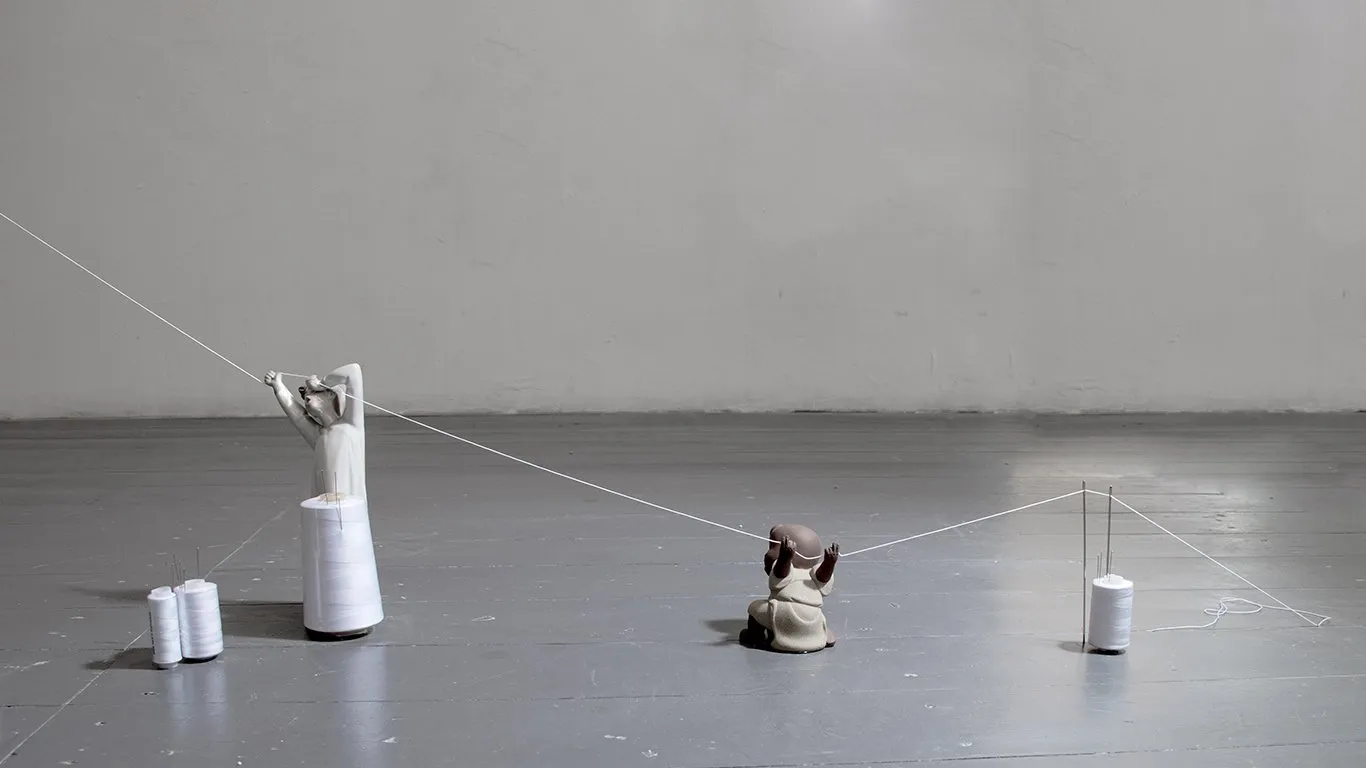
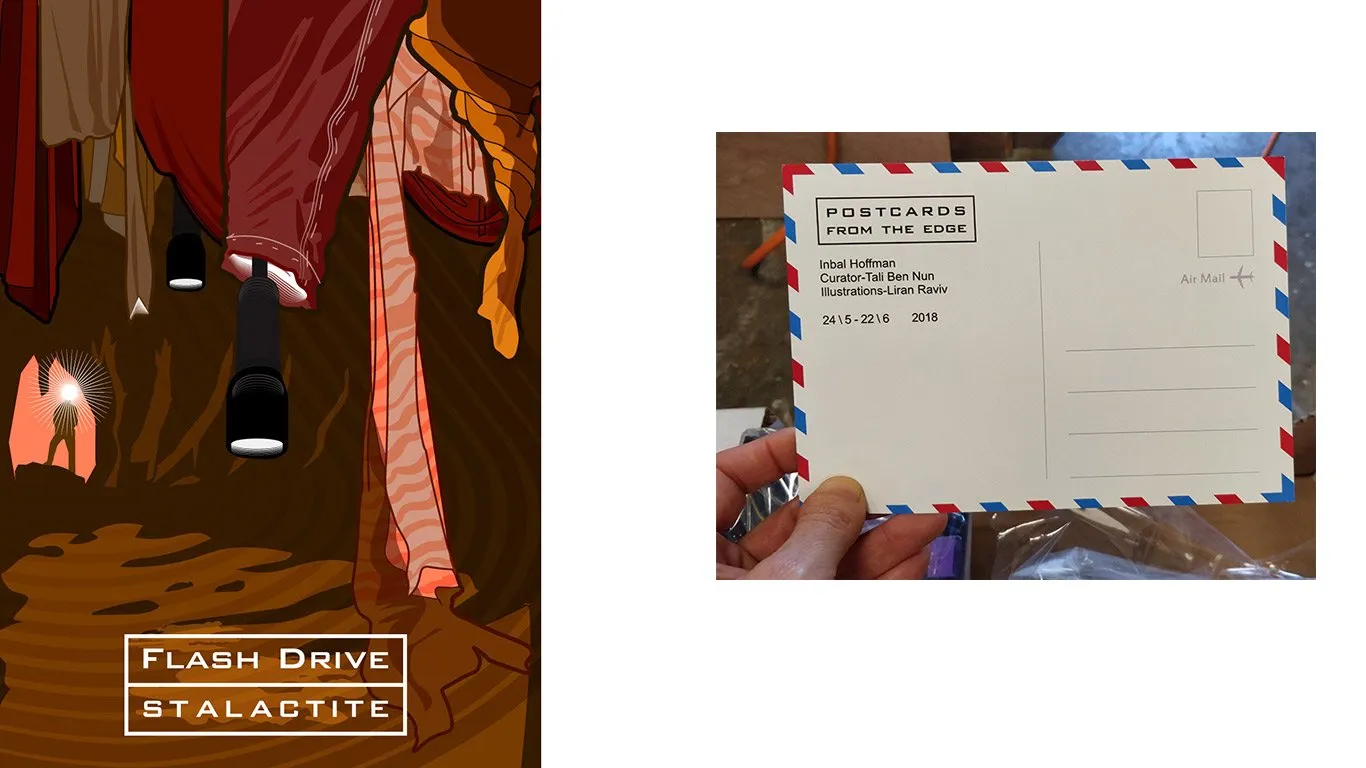
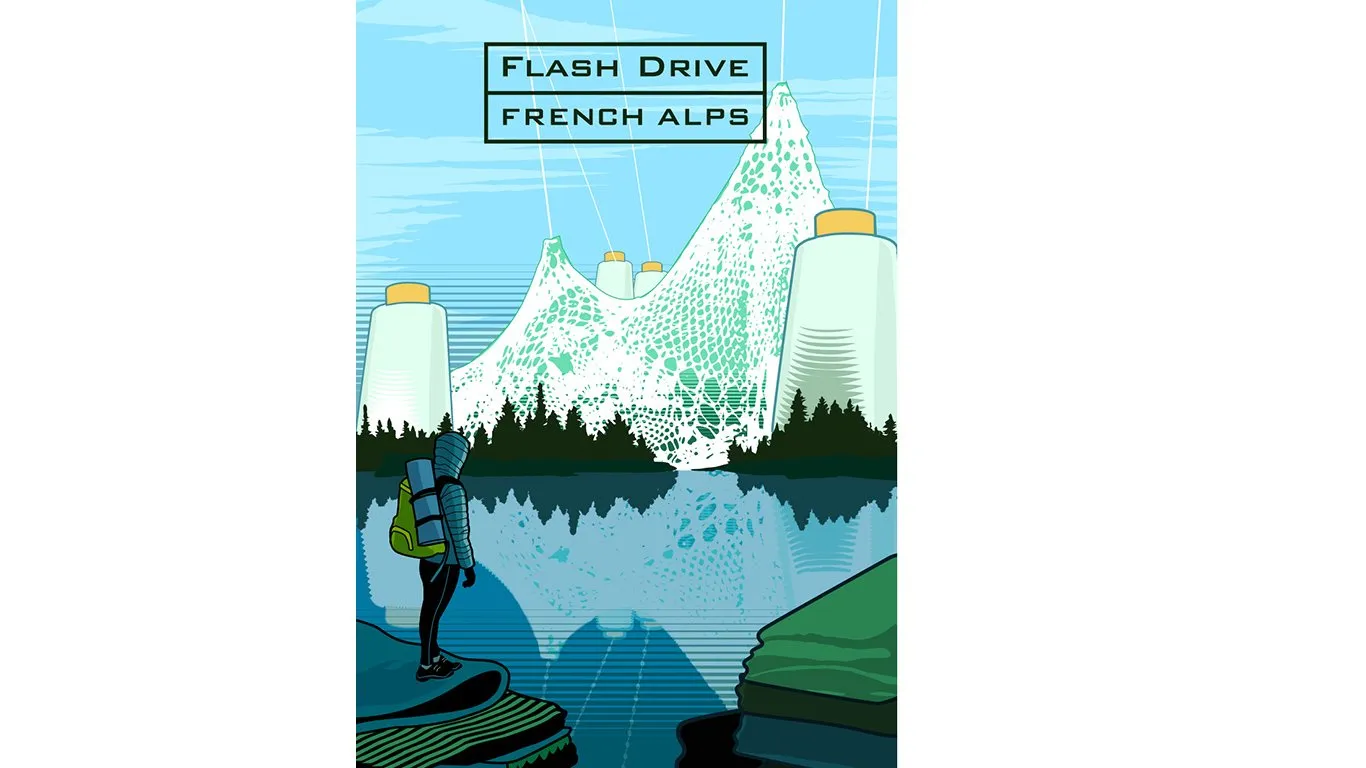
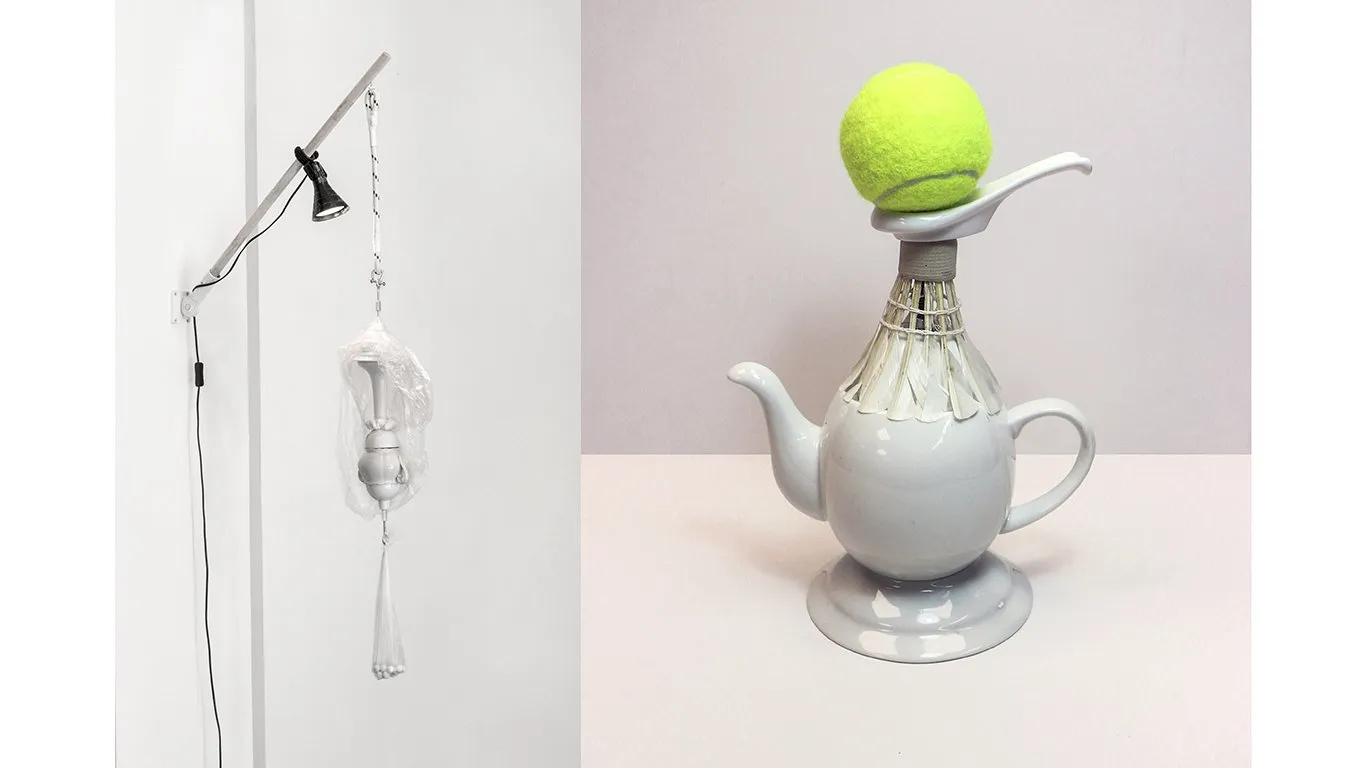
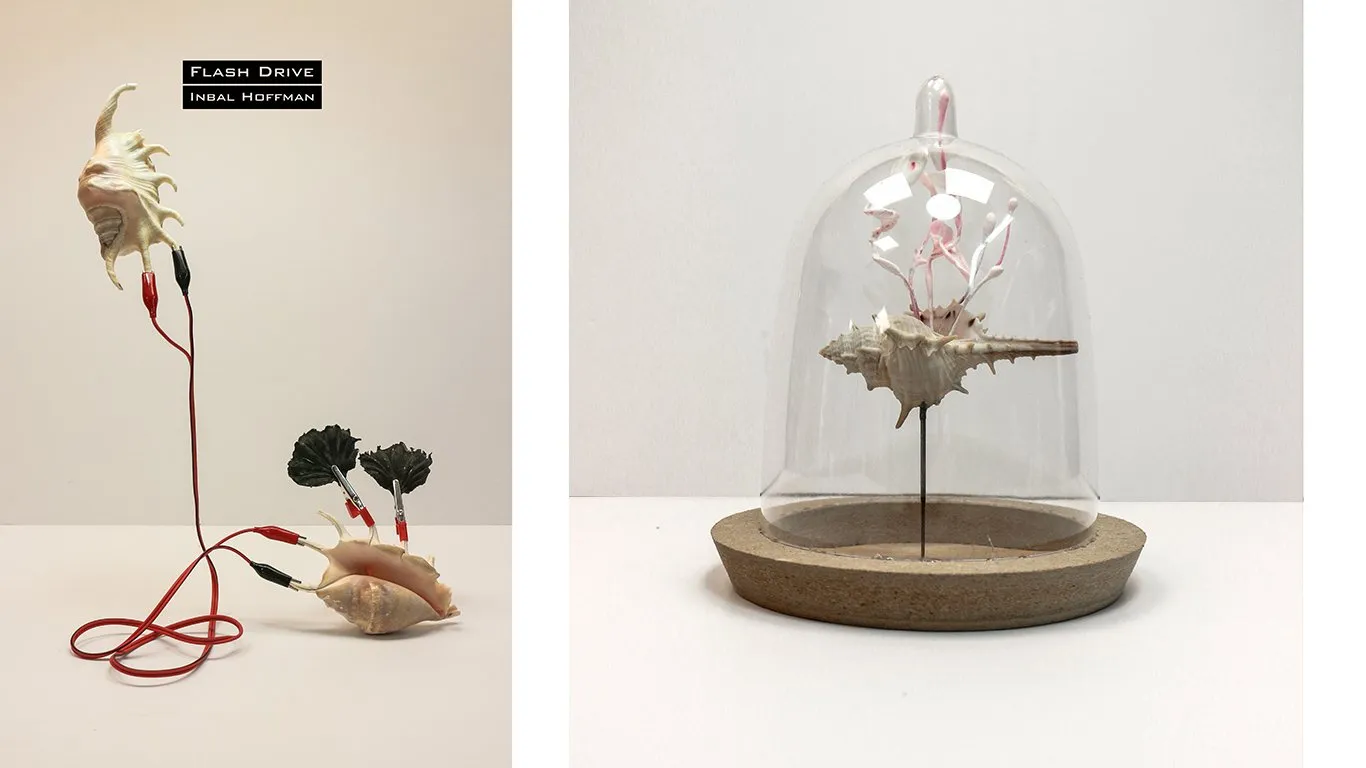
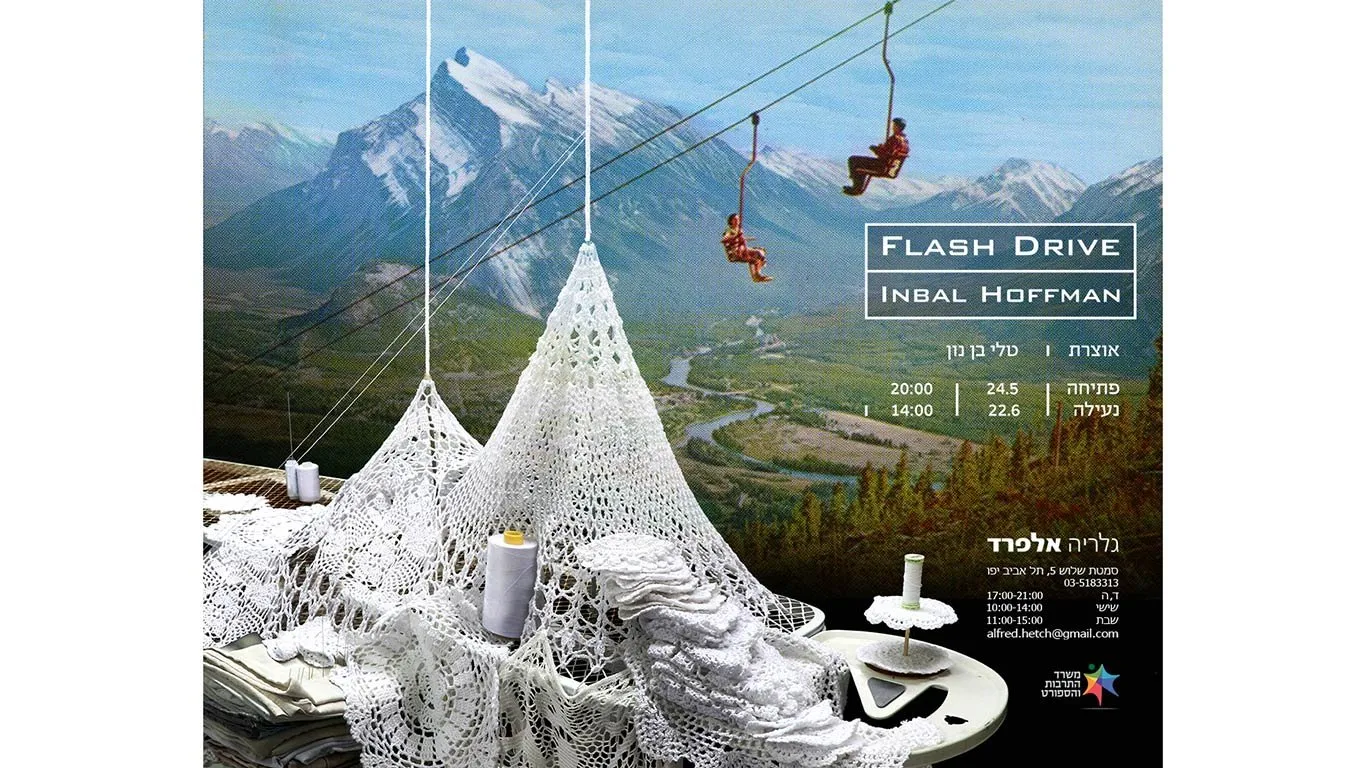
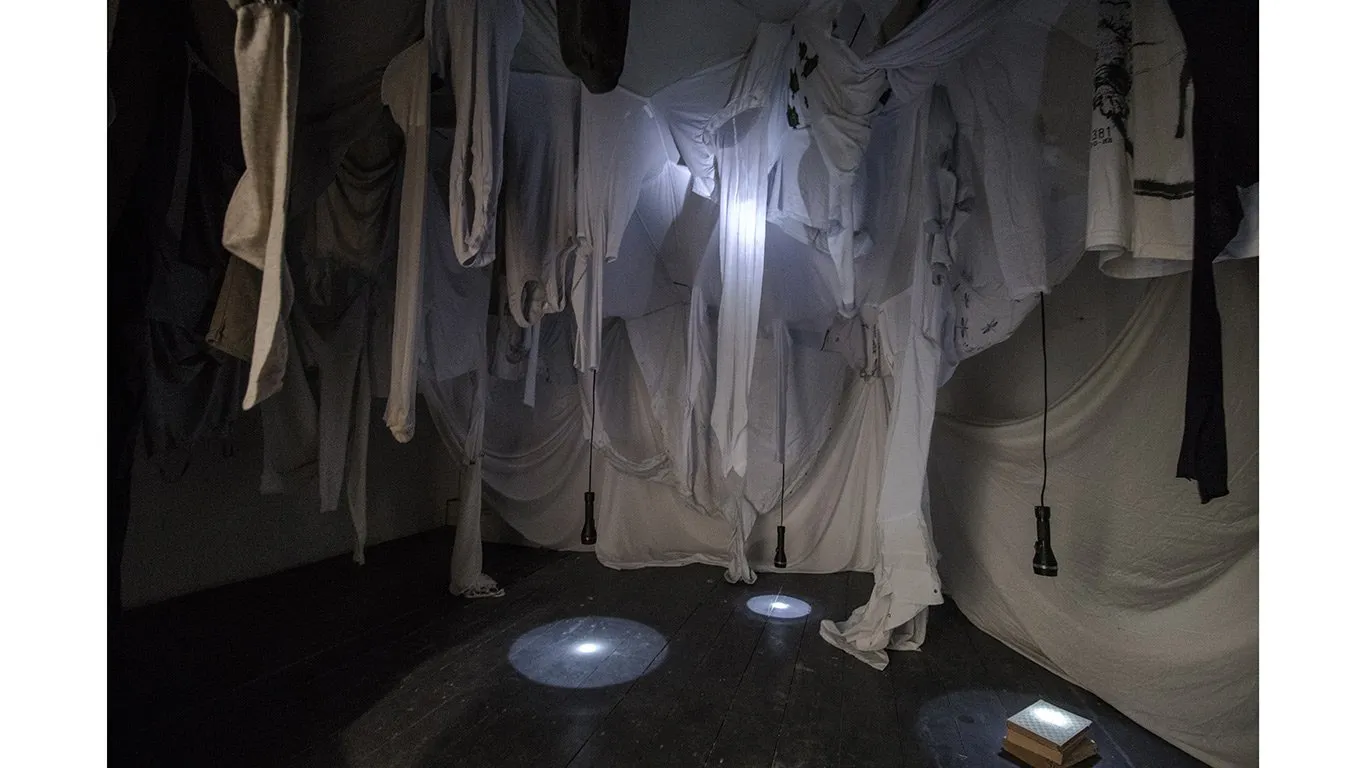
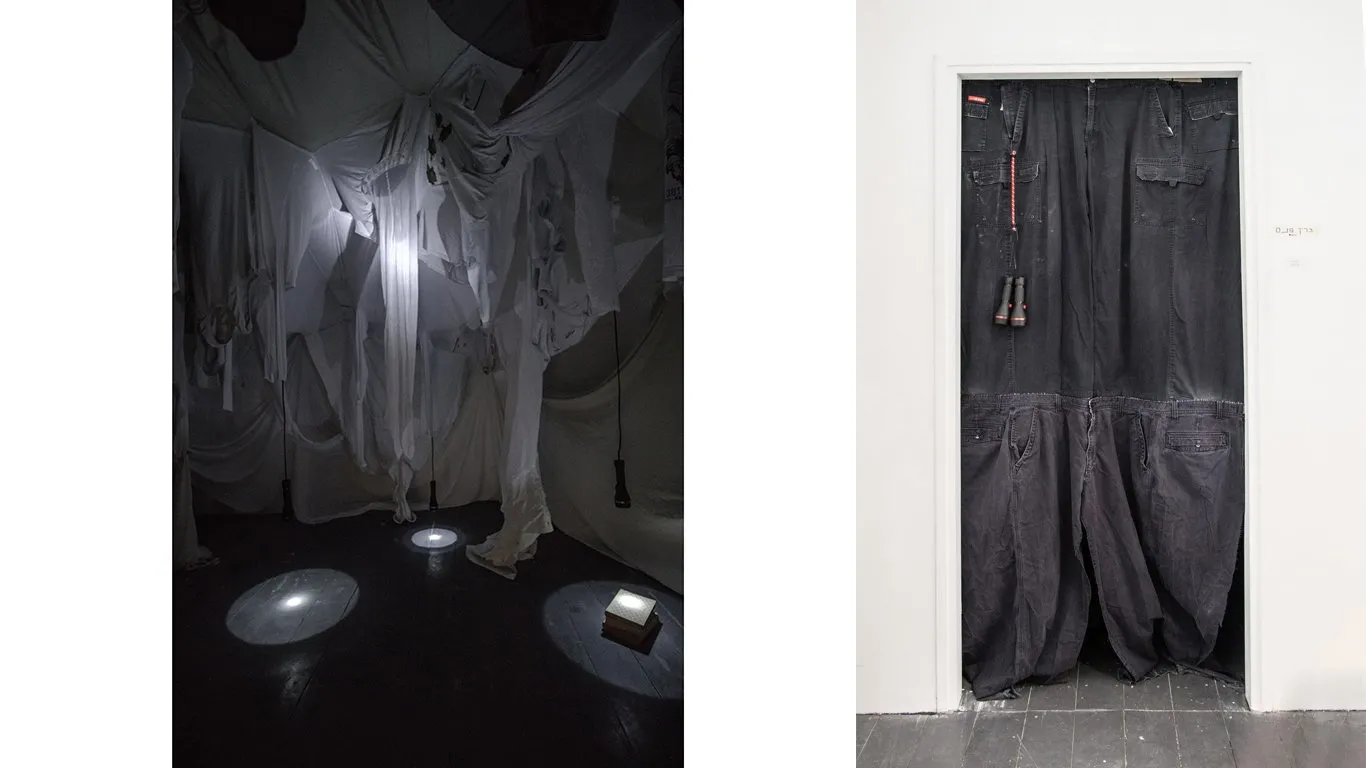
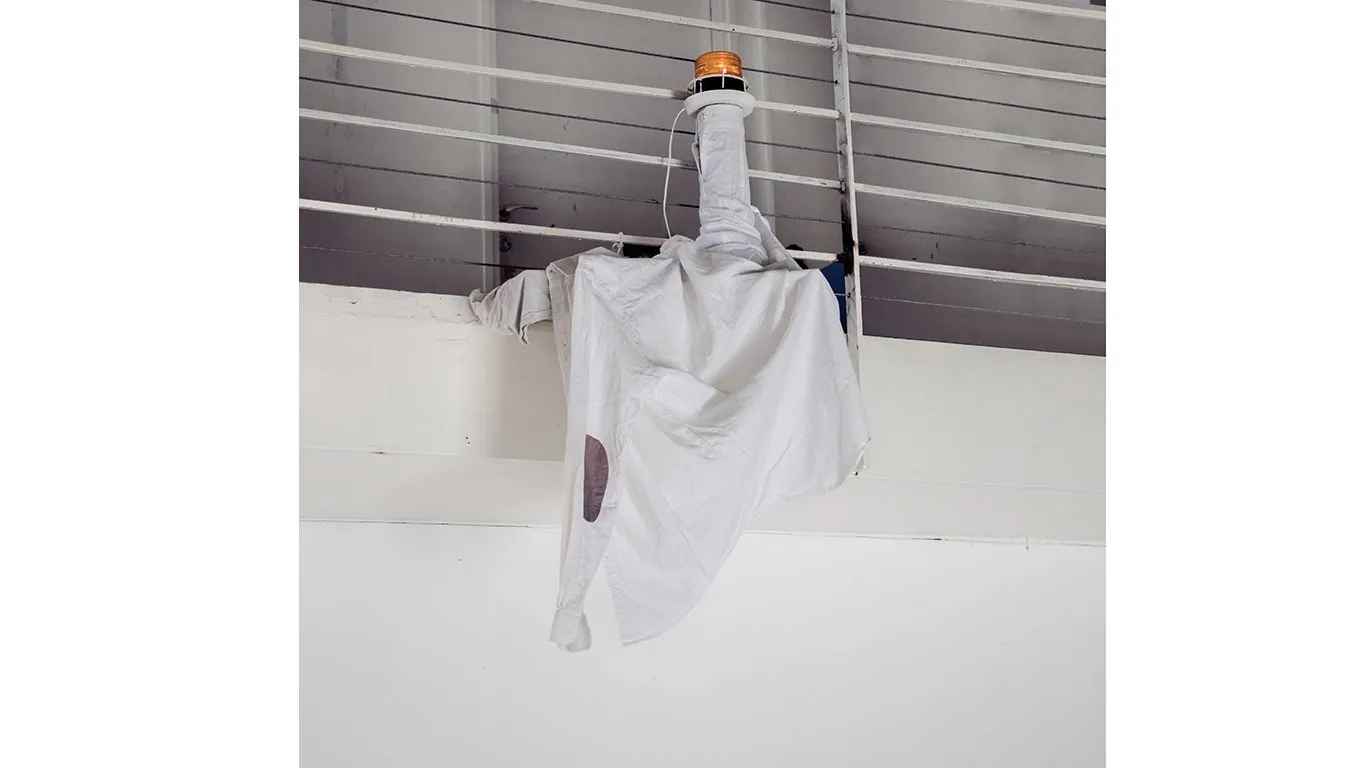
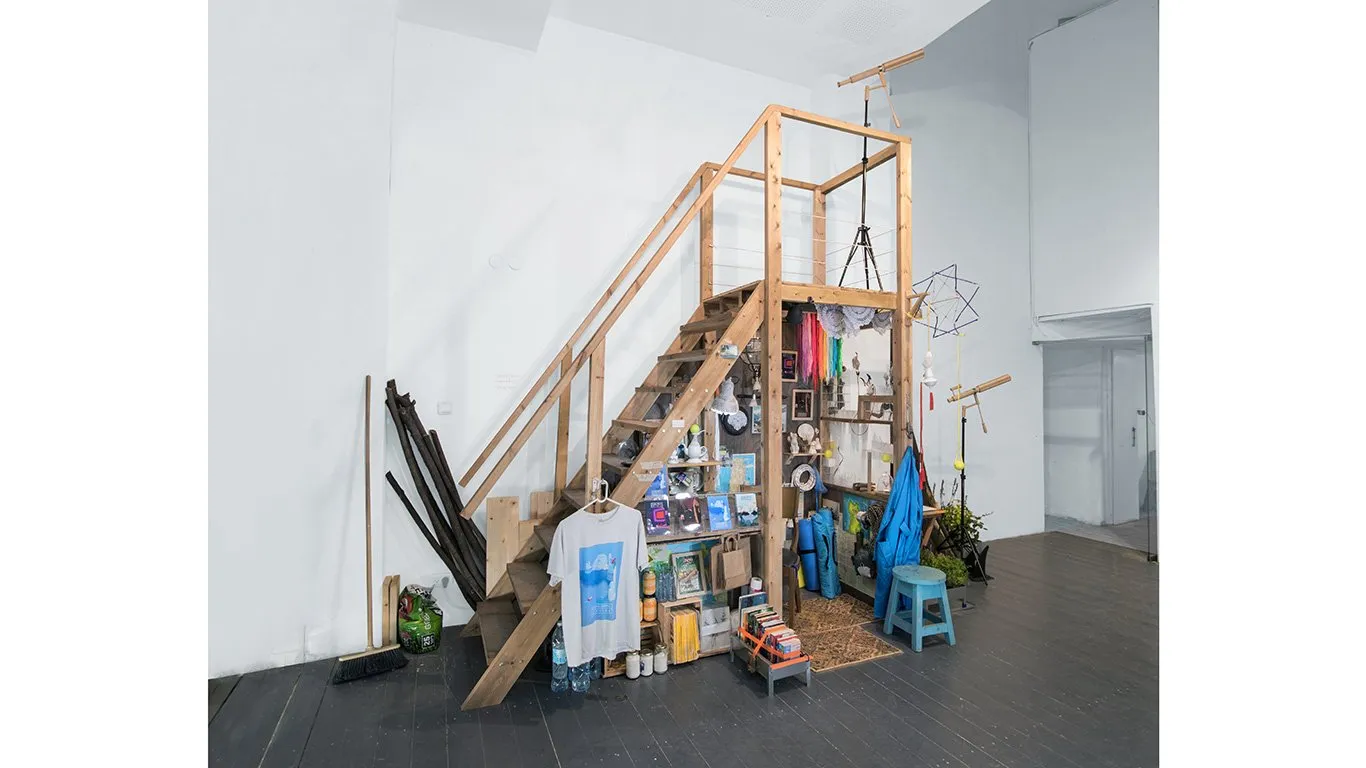
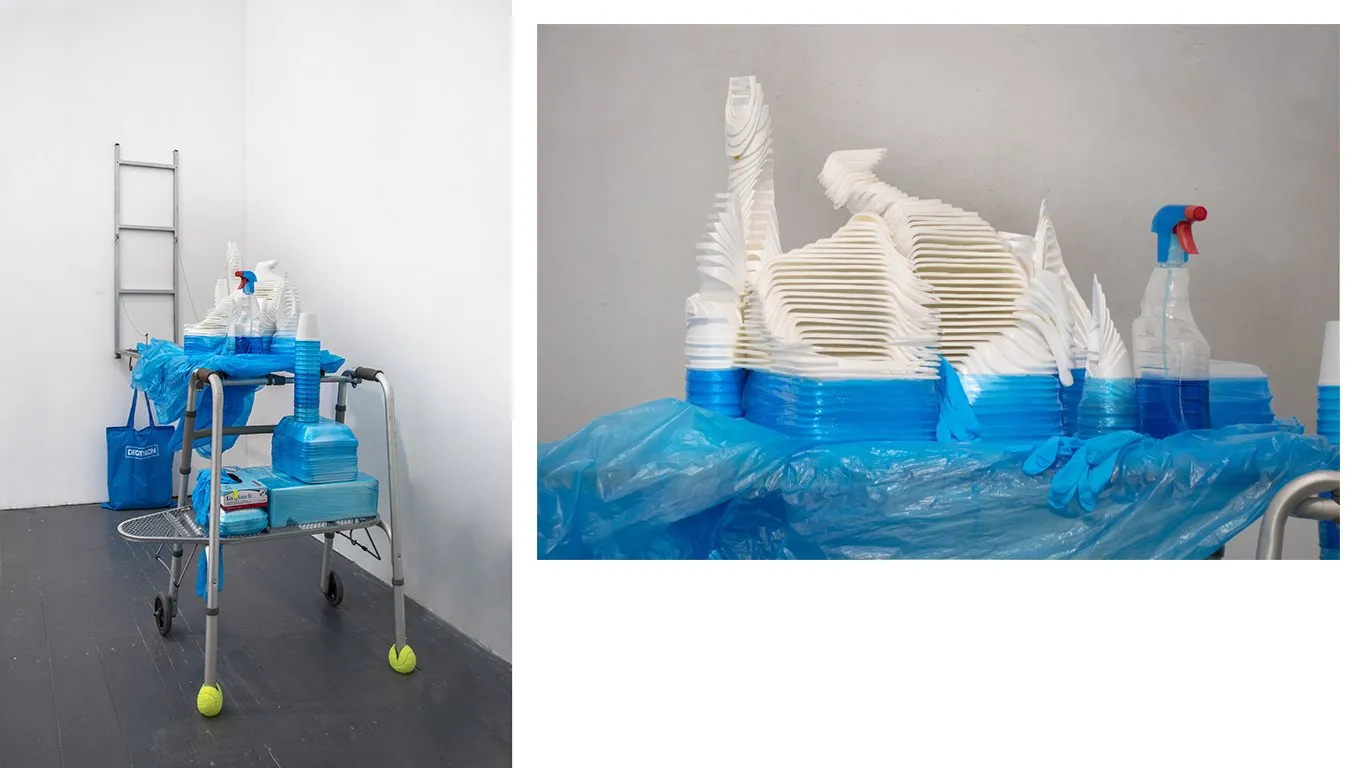
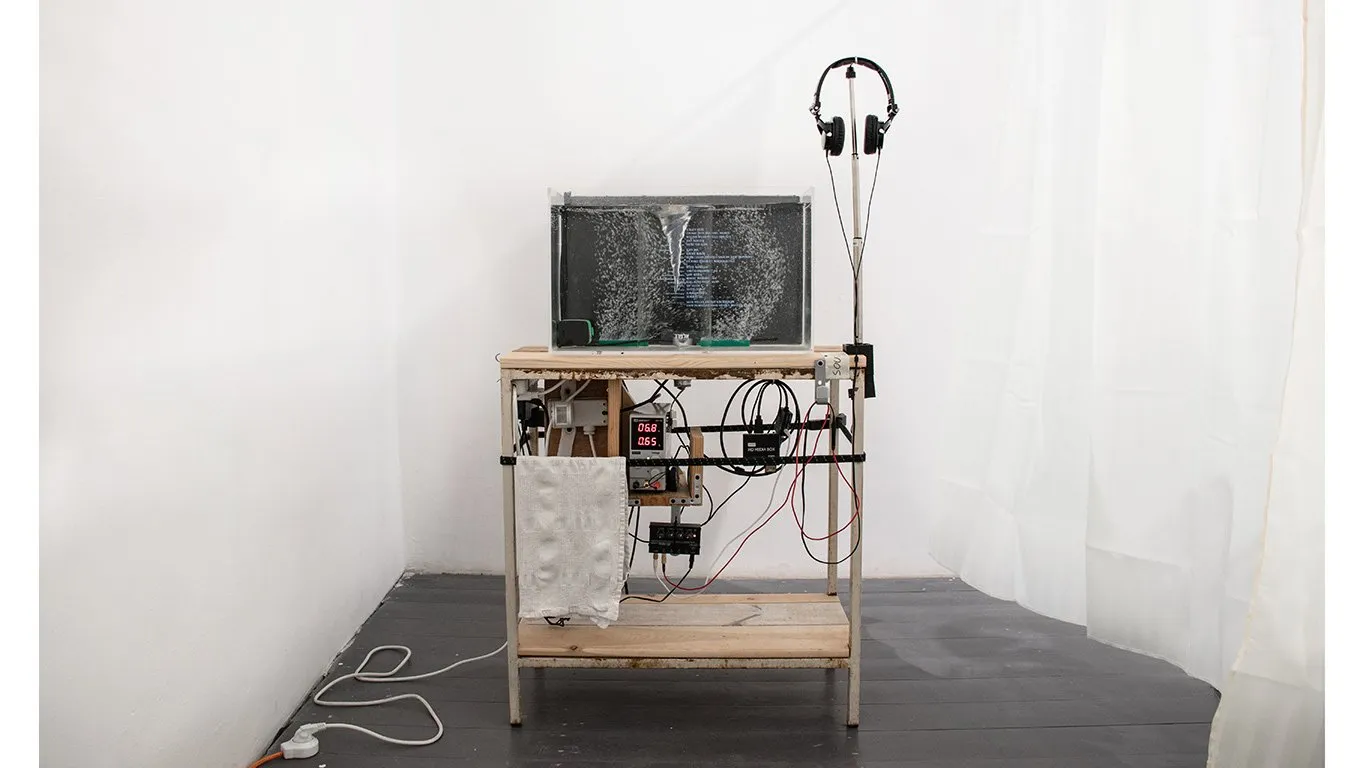
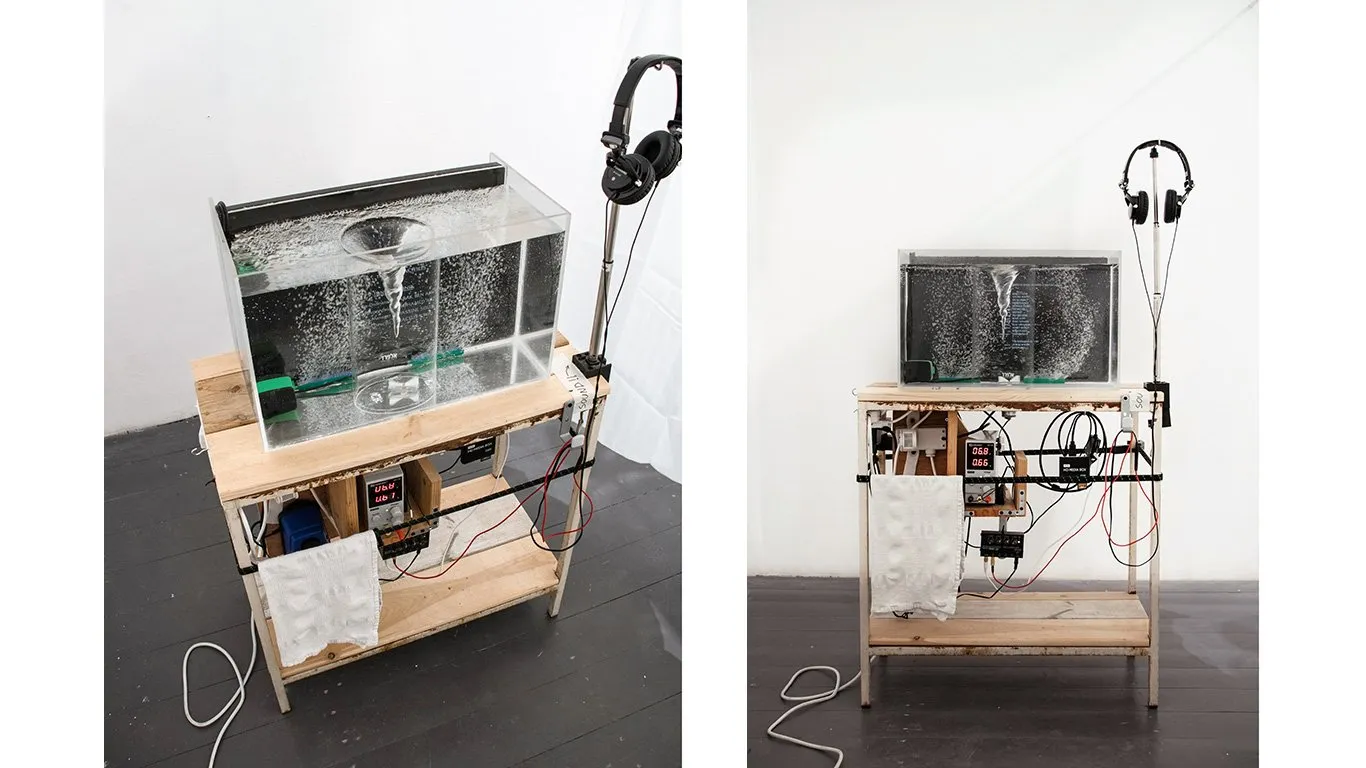
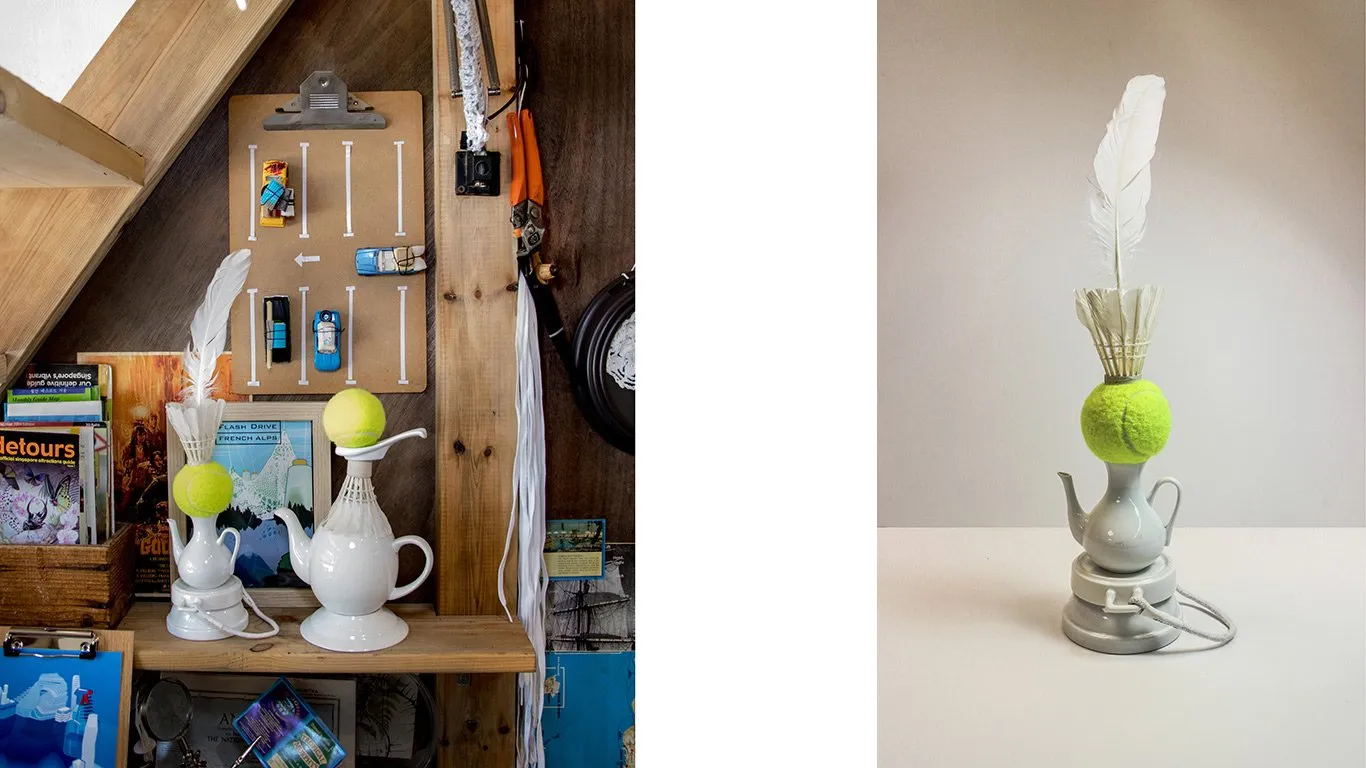
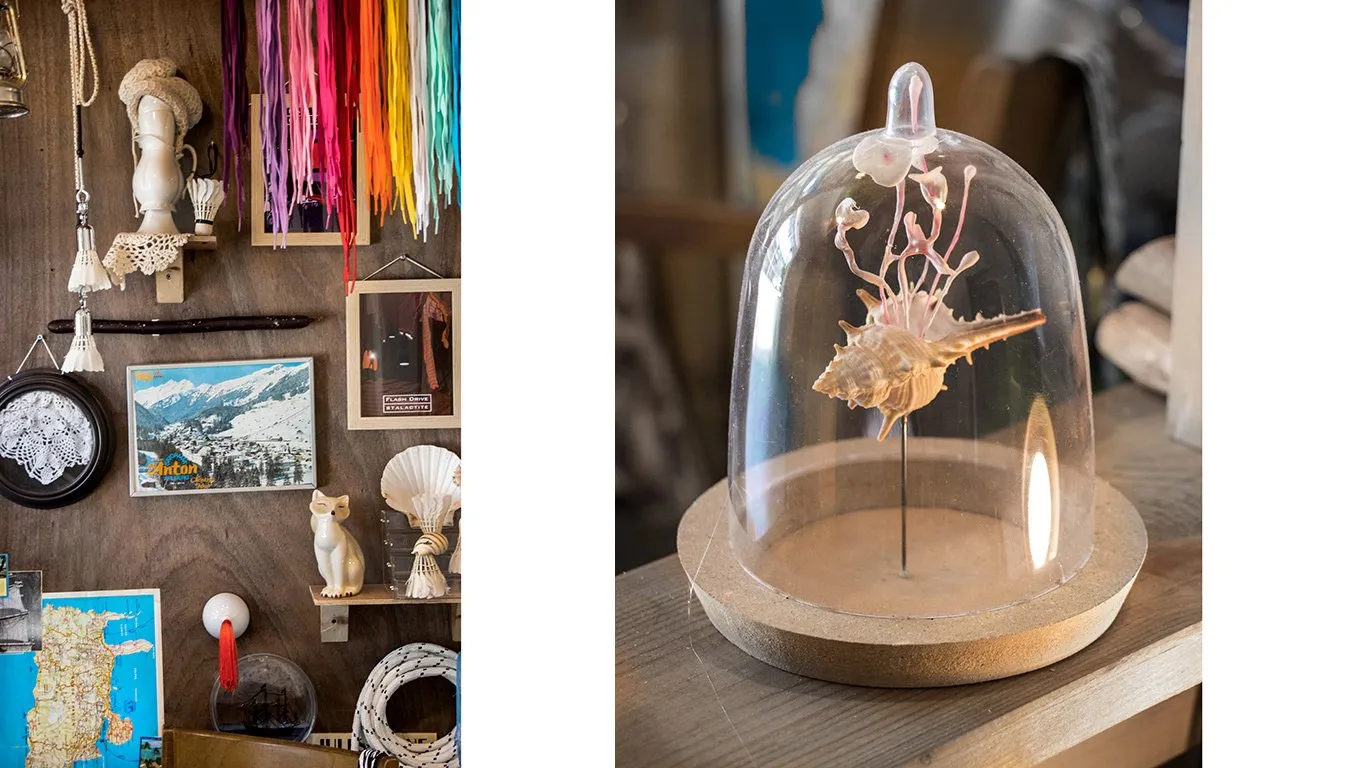
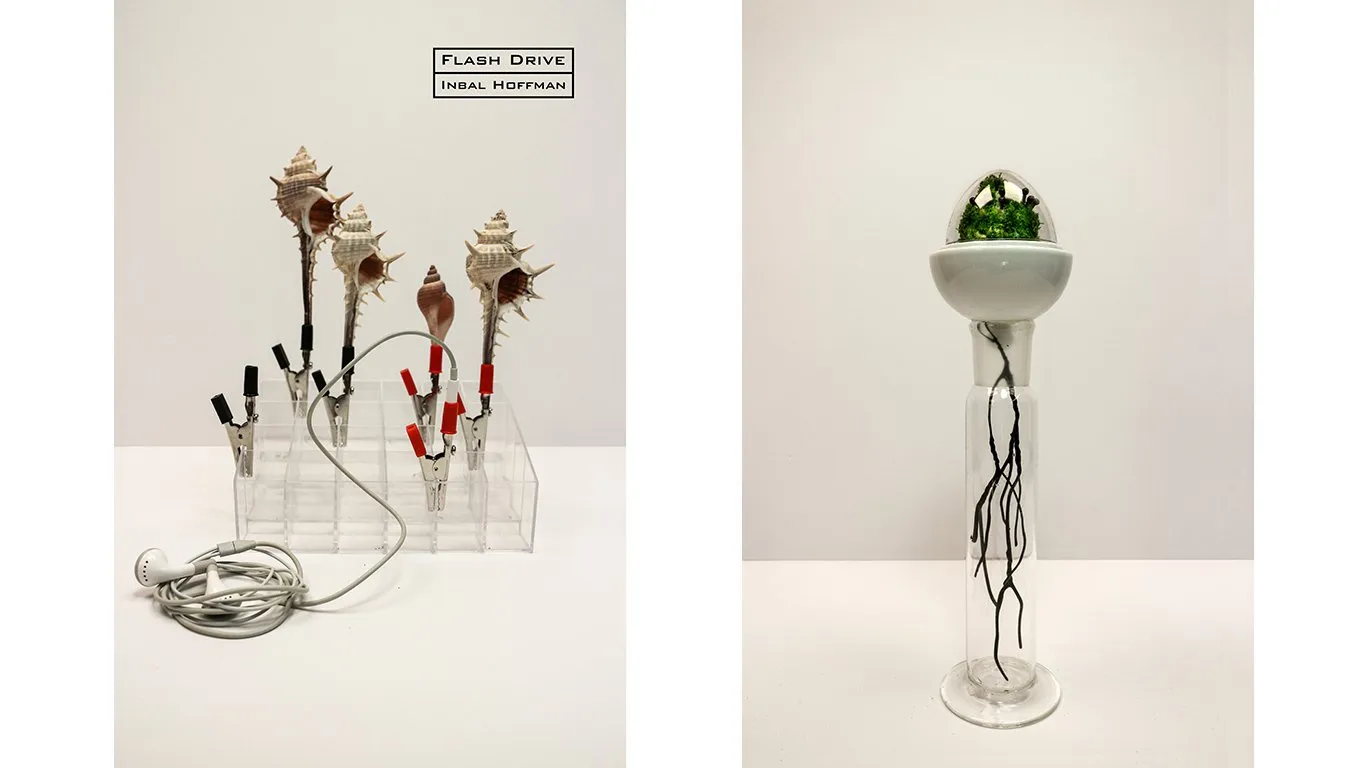
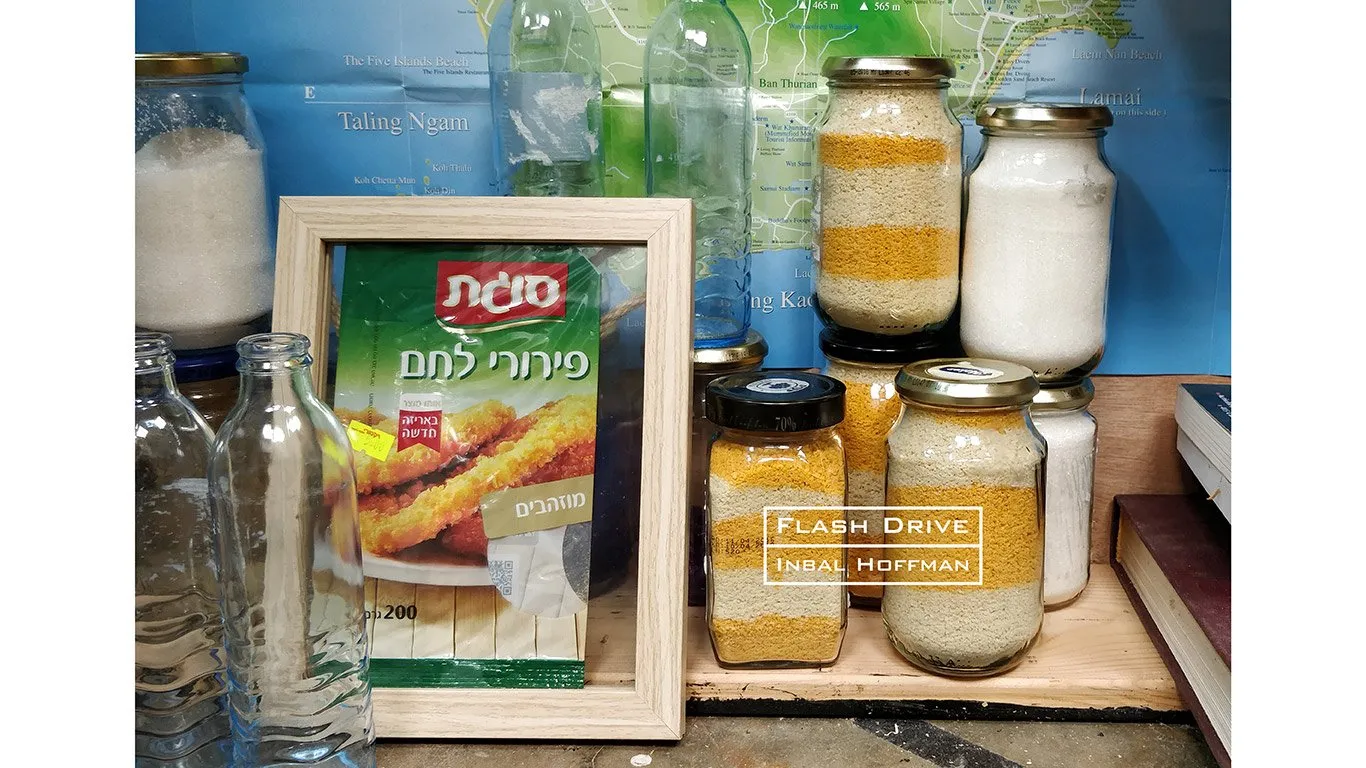
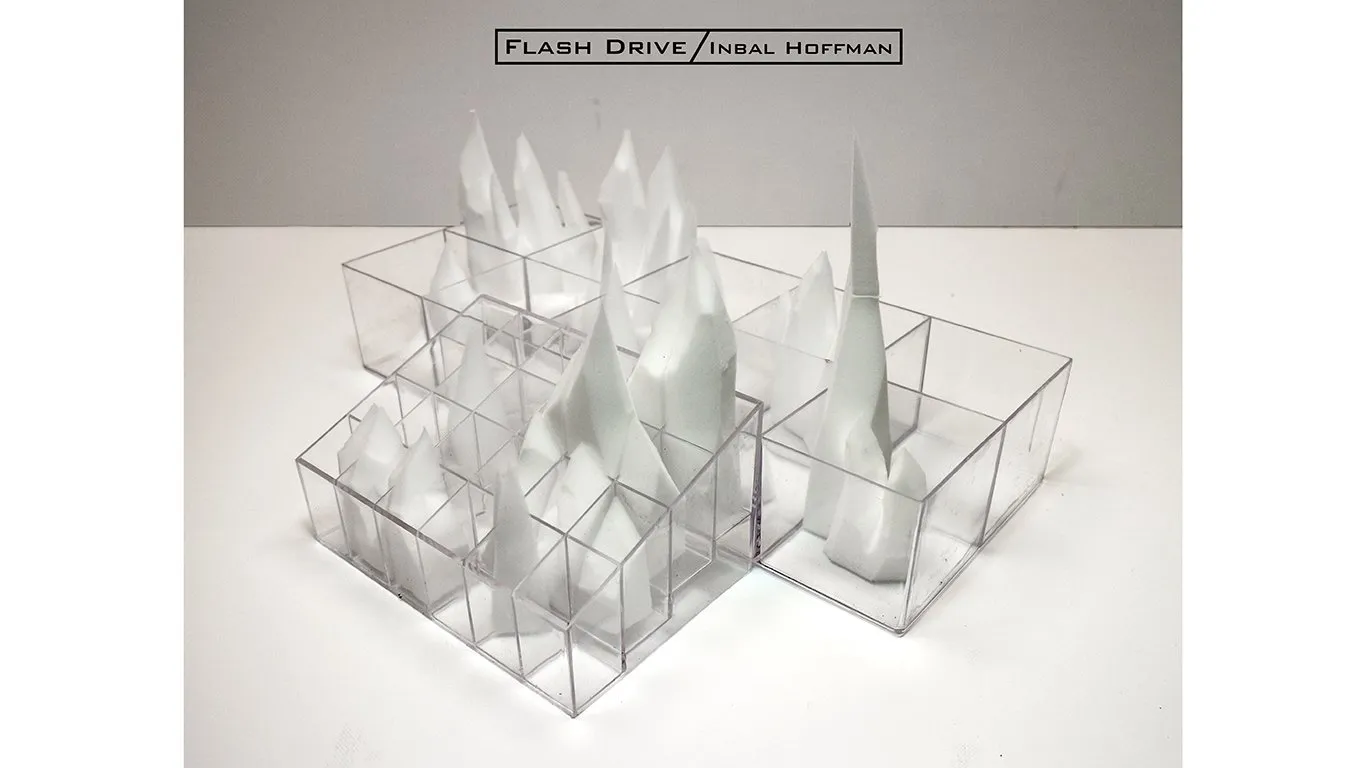
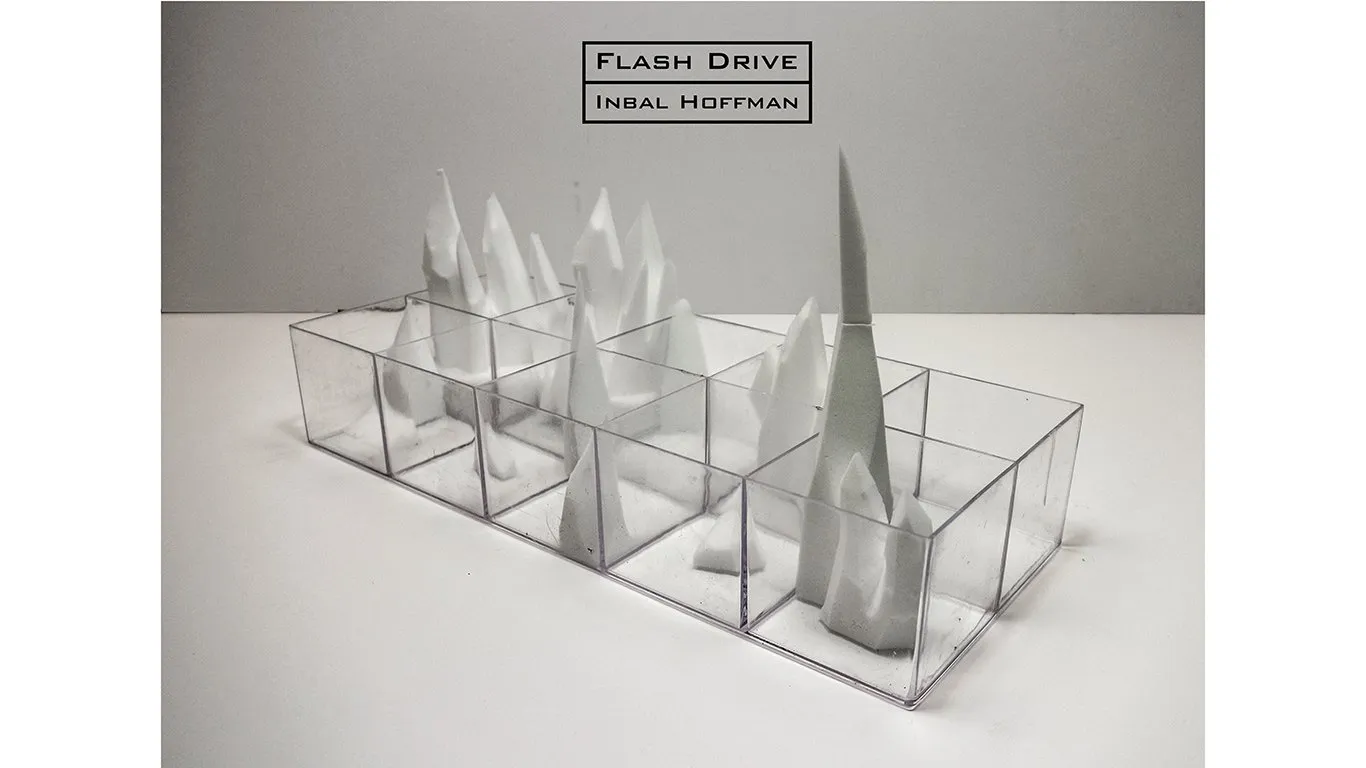
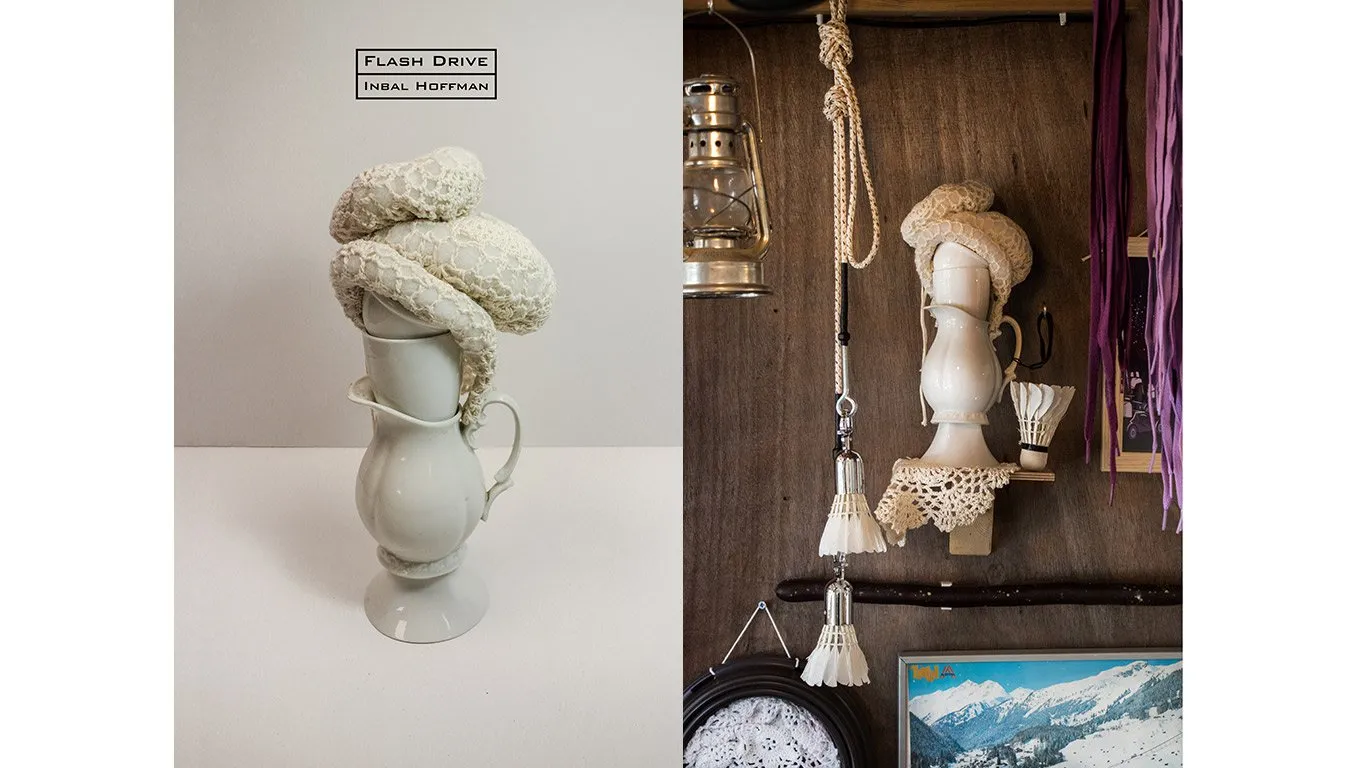
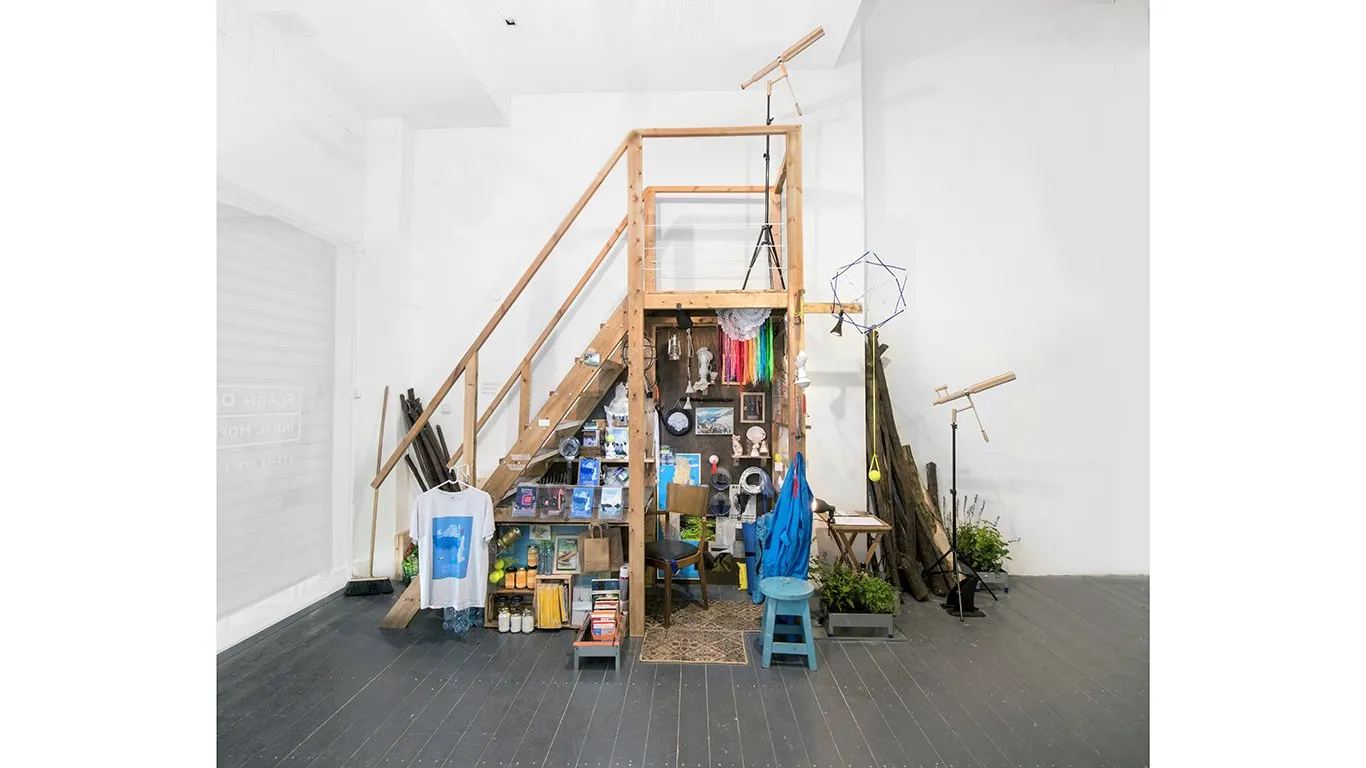
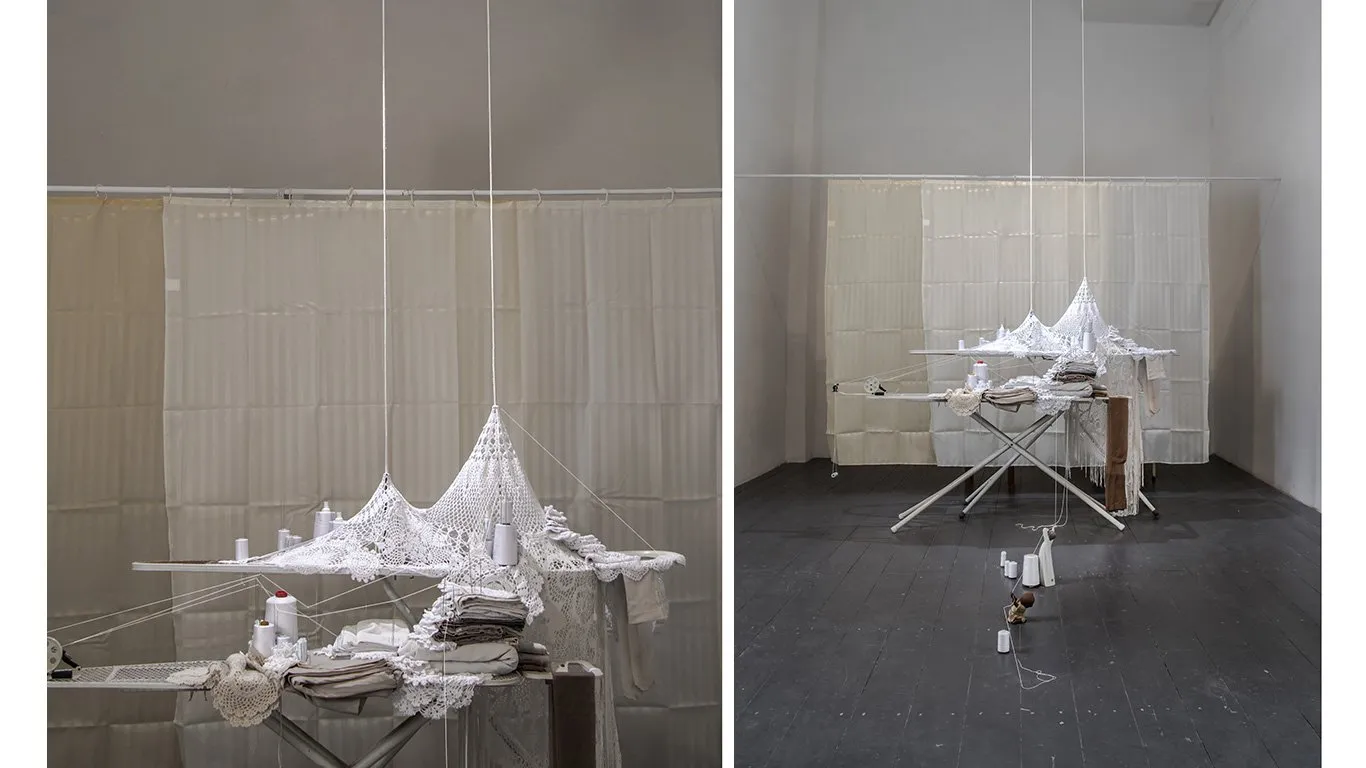
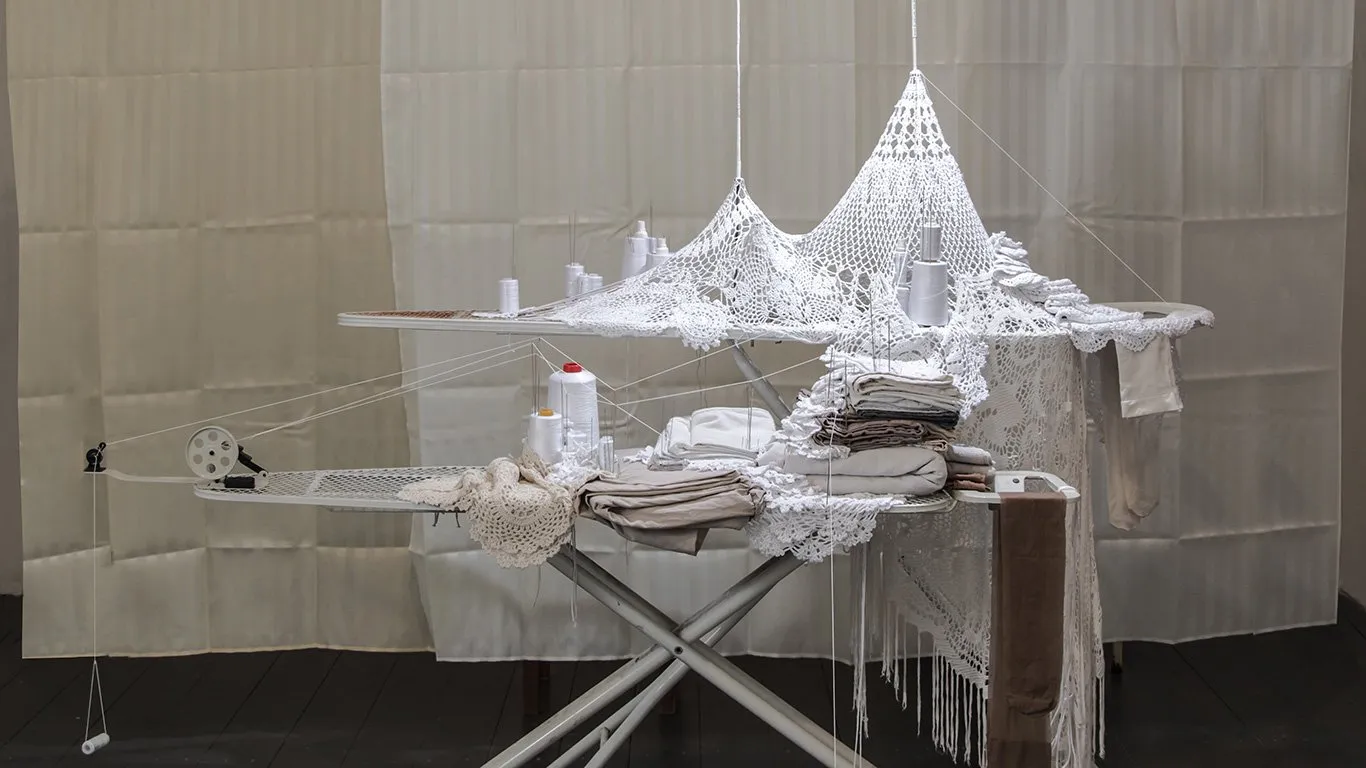
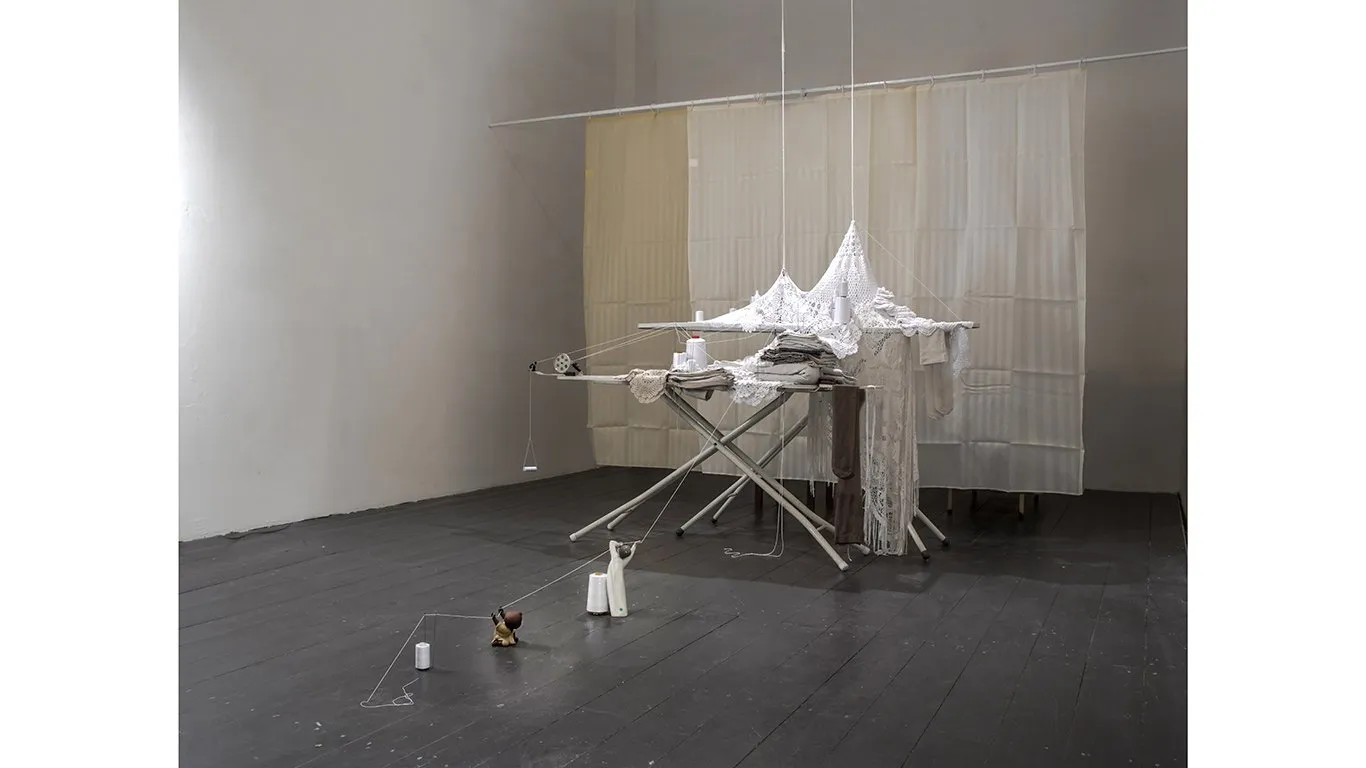
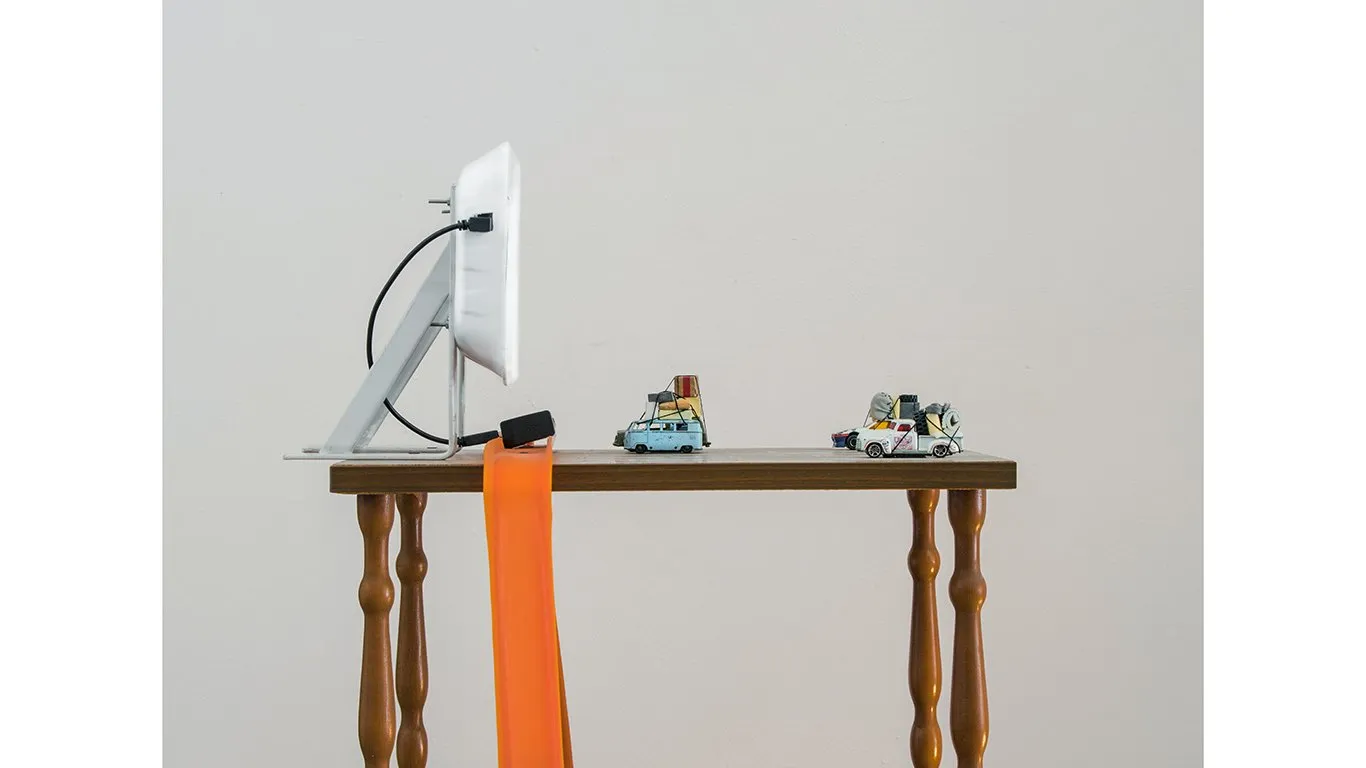
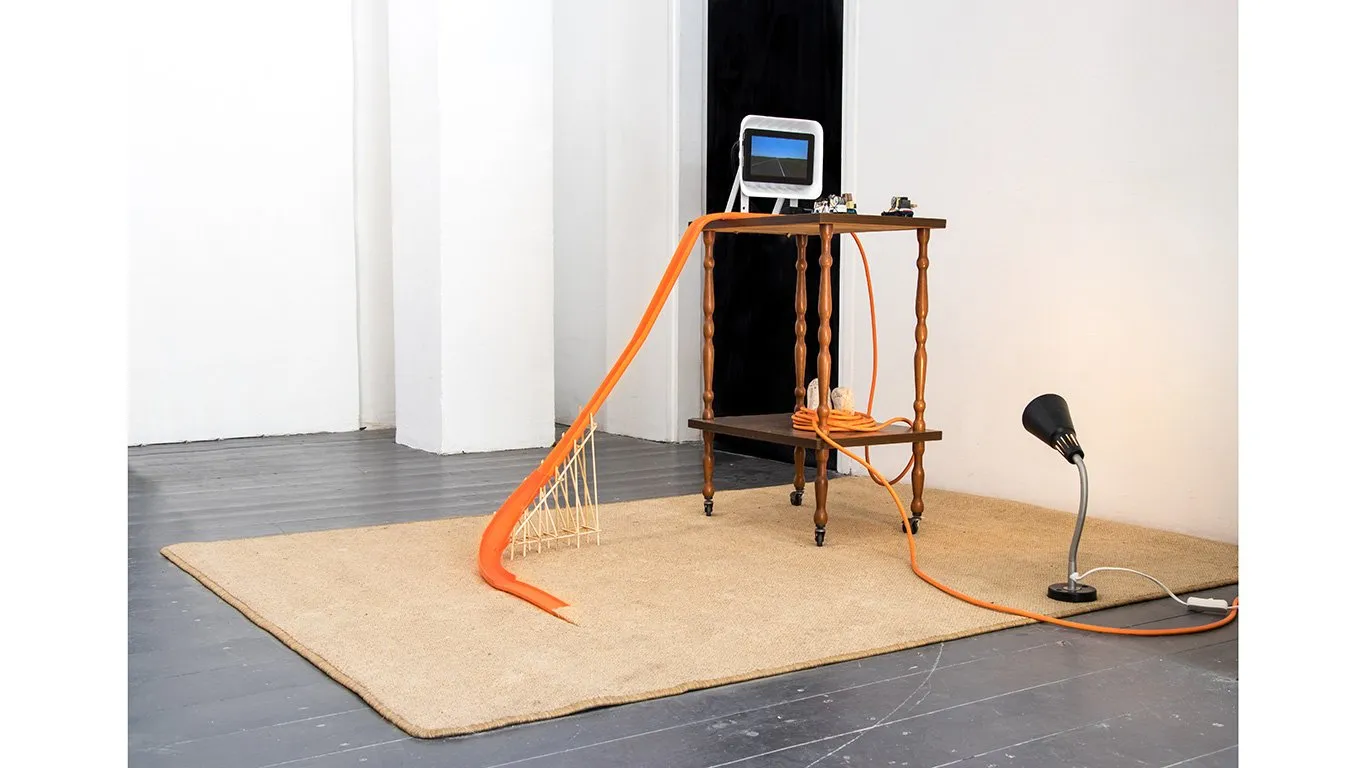
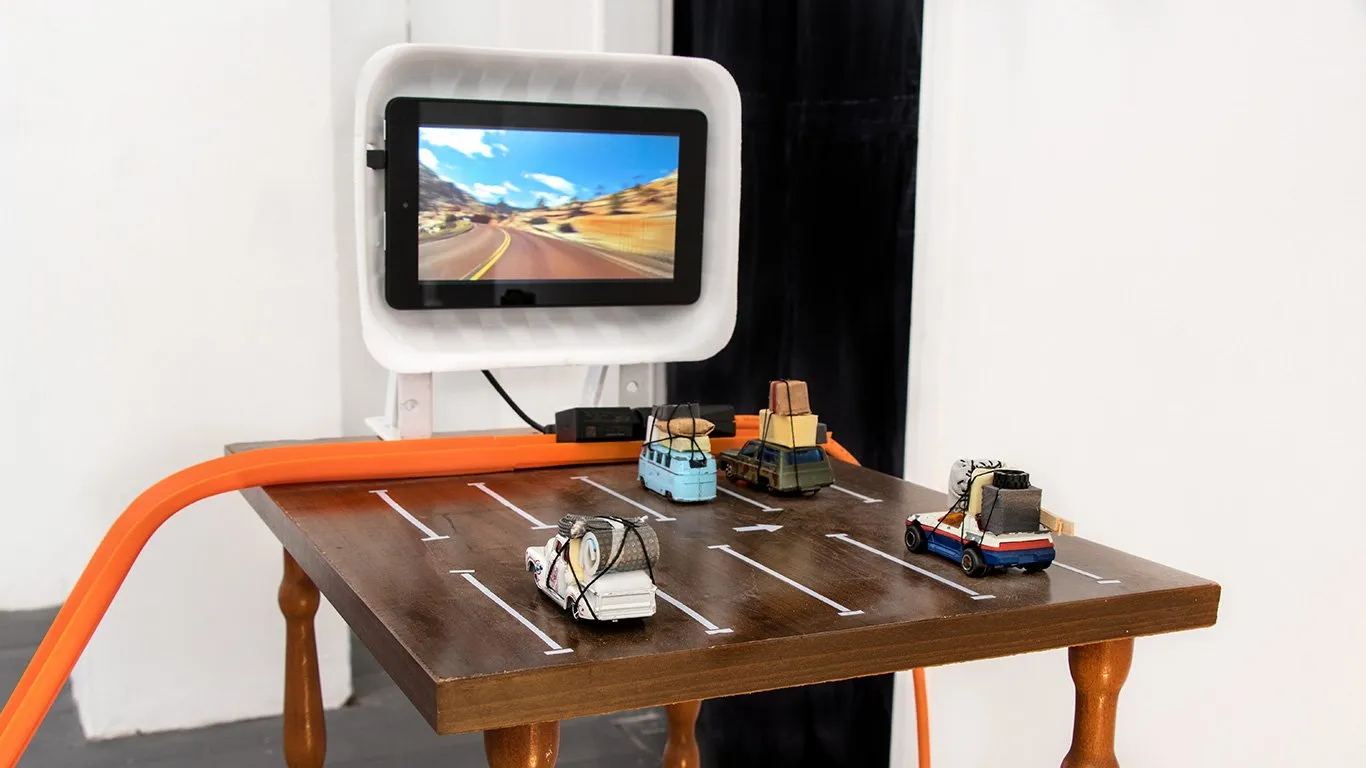
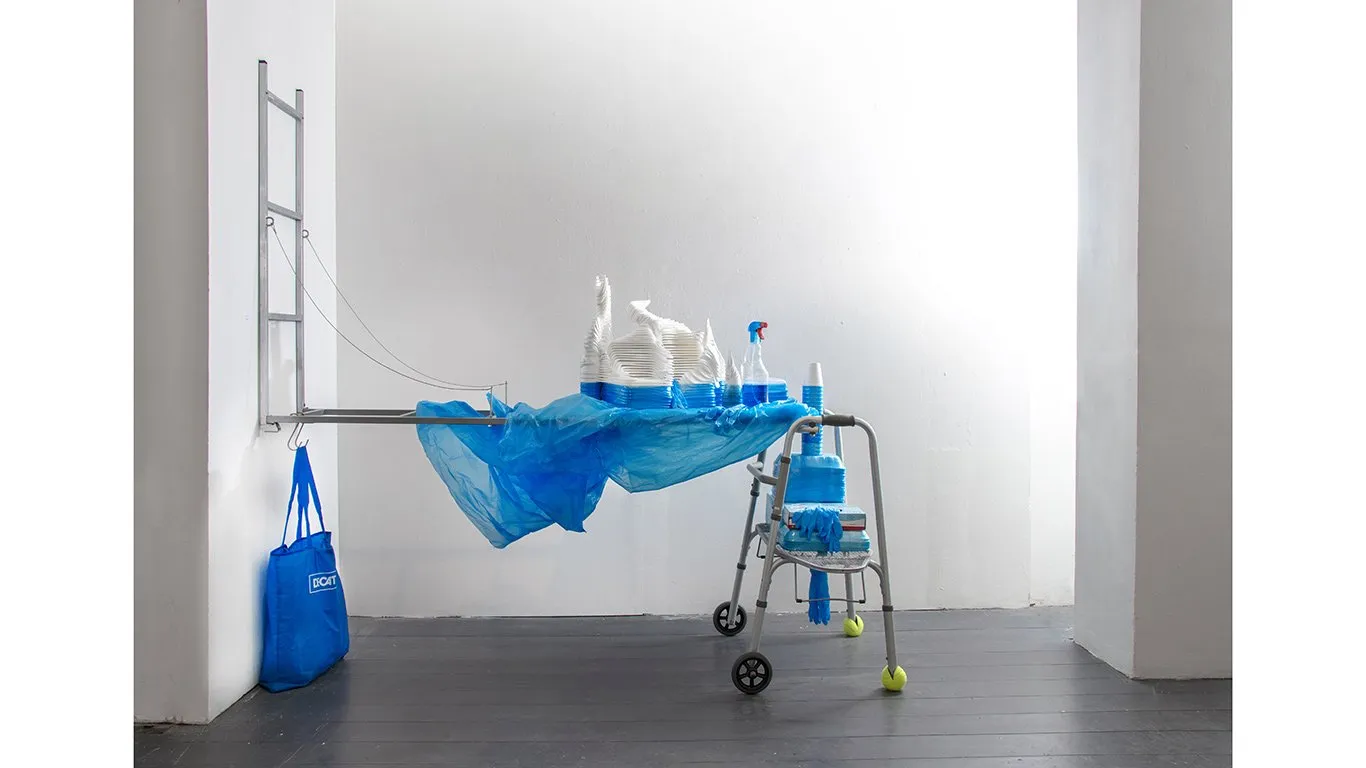
Solo exhibition, 2018. Curator: Tali Ben-Nun. Alfred Cooperative Institute for Art and Culture, Tel Aviv. Long before the age of the internet, Google and Google Earth, it was books and films that swept us into worlds of voyages, fantasy and mystery — adventures across continents and oceans, exotic cultures and hair-raising experiences. The genre's success lay in its precise blend of reality and imagination, of suspenseful plot and a critical eye on society. Each story equipped us with knowledge of science, time, geography, transport, communication, climate, zoology, the undersea world and history. From the meeting of imagination and fact, a fantasy world was born — one that, by definition, is not analogous to the real world, and so opens a window onto dreams and the subconscious, awakening a basic adventurous instinct hidden within us. Captain Hook, Captain Nemo and the Nautilus, Robinson Crusoe, Huckleberry Finn, the Famous Five and the Secret Seven, Lucy Pevensie of Narnia, Atreyu and Bastian of The NeverEnding Story, Indiana Jones, Bilbo Baggins of The Hobbit — these were the literary and cinematic heroes who shaped Inbal Hoffman's childhood. The first film she saw was Disney's 1962 adaptation of Jules Verne's In Search of the Castaways; the image of the sea and the sailing boat as a space of infinite possibility was seared into her forever. As Verne said, “the finest journeys are the ones we dream of, for the ones that come true can disappoint.” Hoffman's installation Flash Drive places at its centre the inner conflict between a curious child longing to pack a bag, run away from home and set out on a wondrous adventure, and the disillusionment of a reality filled with routine, work, parenthood, obligations and daily chores. The need to hold on to that childhood spark — the belief that adventure waits just around the corner — grows fainter as we age, and usually survives only as daydream or unrealized fantasy. Flash Drive (both a portable memory drive and a “lightning trip”) is a site-specific installation telling the story of a journey that never happened, a dream buried under mountains of laundry and dishes. The home is revealed as a substitute haunted by possibility — adventures, discoveries, treasures, inventions and disruptions — a space where the everyday and the fantastic are charged with new meanings. Through playful, unexpected pairings of ready-made and craft, camping and sculpture, fantasy and failure, Hoffman leads the viewer on an adventure that is at once heroic and farcical, made of seemingly ordinary things stripped of any aura. Sheets become sails; worn clothes become stalactites in a dark cave; a coffee table becomes a drive-in lot for cars loaded with gear on a coast-to-coast trip; crocheted doilies rise into snowy peaks on an ironing board; disposable tableware, garbage bags and cleaning supplies become a blue-and-white arctic landscape. With a rich, amusing materiality, wandering through the installation becomes a fast-tracked backpacker's route between summits, glaciers, terraces, the open sea and the depths of the earth. One work — a playful hybrid of supply station, souvenir shop and observation post — is staffed by the gallery attendant in the role of park ranger. In this eclectic, colourful shop, among an array of useful and useless objects, hangs an illustrated postcard from the series “From the Edge,” a by-product designed especially for the exhibition with illustrator Liran Raviv. Like the iconic “See America” posters created by illustrators between 1936 and 1948, each dedicated to a national natural landmark, Hoffman and Raviv's postcards pay homage to the fabricated “sites” of the show. The viewer takes home a souvenir and becomes, almost against their will, a silent partner in a journey that never took place. Even if a single rationale binds the parts of this sculptural installation together, doubt keeps surfacing, a suspicion of the whole mechanism. Hoffman's world has its own laws — an autonomous world, brimming with inventions, details and parodic twists, a funfair of brilliant and preposterous possibilities, preserving within it the gap between sense and nonsense, outside and inside, the fantastic and the practical. Flash Drive is a metaphorical drive that breathes life back into Hoffman's childhood memories and reawakens the adventurous urge to go out and discover the world — even when it's impossible. With a child's stubbornness, she refuses to give up one of life's great pleasures: the freedom to dream and imagine that anything is possible. — Tali Ben-Nun